


What Is Krastie AI?

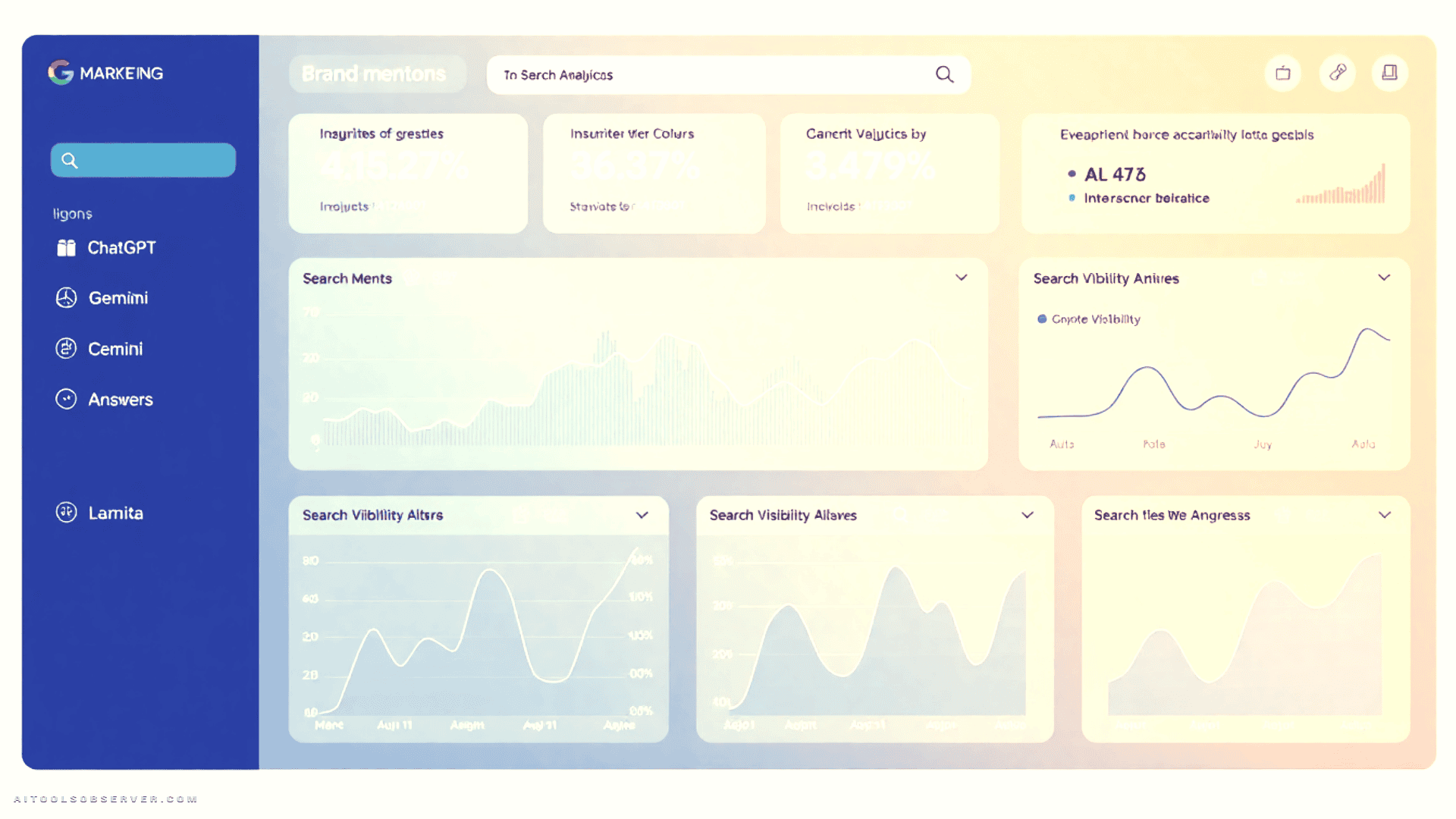
Krastie AI is an AI search visibility platform that tracks how often and how well your brand appears inside AI-generated responses. Think of it as rank tracking — but for the LLM era.
Instead of monitoring your position on a search results page, Krastie monitors whether ChatGPT recommends you, whether Gemini references your brand, and how you’re being described when AI systems answer questions relevant to your industry.
It’s a fundamentally different measurement problem, and Krastie is one of the early platforms taking it seriously.
The Problem It Solves

Here’s the reality most marketing teams haven’t fully processed yet: when someone asks ChatGPT “what’s the best project management tool for remote teams,” your SEO ranking means nothing if the model doesn’t surface your brand in its answer.
Traditional analytics can’t see inside that conversation. You have no idea if you’re being recommended, ignored, or misrepresented.
Krastie AI gives you that visibility. It monitors how your brand is referenced across AI-driven discovery environments and flags where you’re missing entirely.
Brand Mention Tracking Across LLMs

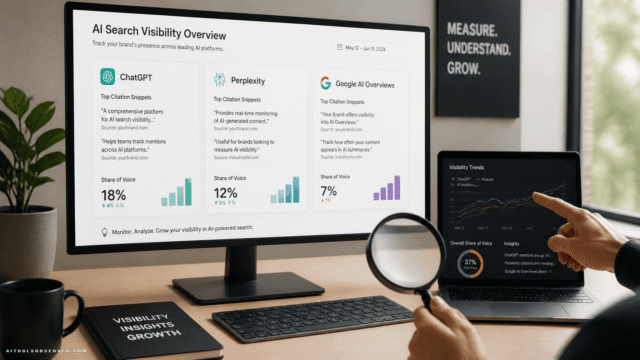
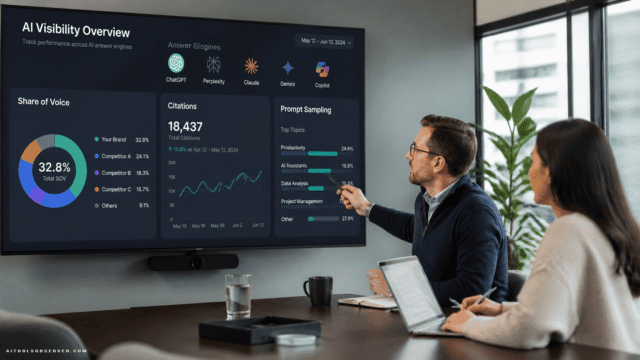
Krastie monitors how your brand appears inside AI-generated answers across platforms like ChatGPT and Gemini. This isn’t just a vanity metric — it tells you whether your brand is part of the conversation when buyers are actively researching.
You can see the frequency of mentions, the context around them, and how your representation compares across different AI systems.
Gap Analysis and Content Insights

One of the more actionable features is the gap identification layer. Krastie surfaces topics, questions, and content areas where your brand is absent from AI responses — even when competitors are being recommended.
This directly informs your content strategy. If AI systems aren’t associating your brand with a specific use case or keyword cluster, you now know where to focus.
Conversational SEO Intelligence

The platform maps your content relevance to the kinds of prompts and conversational queries that drive AI-generated answers. This is the foundation of what’s emerging as conversational SEO — optimizing not just for crawlers, but for how language models retrieve and synthesize information.
For SEO teams, this is a meaningful shift in how to think about content structure, topical authority, and messaging clarity.
Brand Representation Monitoring

Beyond simple mentions, Krastie tracks how your brand is being described. Are AI systems accurately representing your product? Are they associating you with the right use cases? Are there narrative gaps that could be shaping buyer perception without your knowledge?
This kind of brand representation auditing is genuinely new territory, and it matters more as AI-driven discovery scales.
Who Should Use Krastie AI?

Krastie is built for marketing and SEO teams that are already thinking about the next phase of search — not just the current one.
It’s a strong fit if you are:
- A B2B or SaaS brand where buyers research through AI assistants before contacting sales
- An SEO team looking to extend your strategy beyond traditional keyword rankings
- A content marketing team that wants to understand how LLMs perceive your topical authority
- An enterprise marketing function that needs to track brand narrative at scale across AI platforms
It’s less immediately useful if you are:
- A local business where AI search behavior is still minimal in your category
- A team with no existing content strategy to optimize from
- Early-stage with limited brand presence to track in the first place
Strengths Worth Noting
The core insight Krastie delivers — that your brand has a presence (or absence) inside AI systems that you can actually measure — is genuinely valuable. Most marketing teams are flying blind on this right now.
The gap analysis feature is particularly strong. Turning “you’re not showing up here” into “here’s the content you need to create” is exactly the kind of actionable output that justifies a tool’s place in a workflow.
The platform also sits at the intersection of three converging trends: AI search visibility, conversational SEO, and brand monitoring. That’s a smart position to occupy as these disciplines merge.
Limitations to Consider
Krastie AI is an emerging platform in an emerging category. The data models and methodologies for tracking LLM visibility are still maturing across the industry — this isn’t a criticism unique to Krastie, but it’s worth understanding that benchmarks and measurement standards here are less established than traditional SEO metrics.
Pricing and integration depth aren’t publicly detailed at the time of writing, which makes it harder to evaluate total cost of ownership for enterprise teams. You’ll want to pressure-test how it connects with your existing analytics stack before committing.
How It Compares

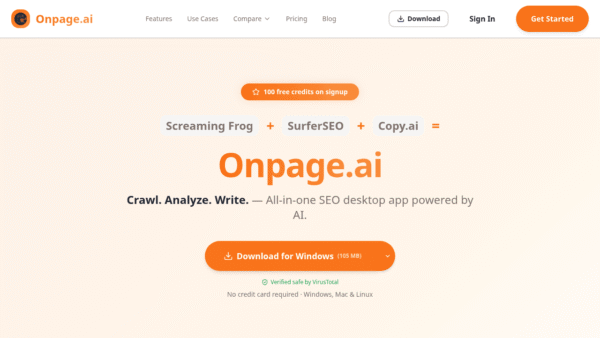
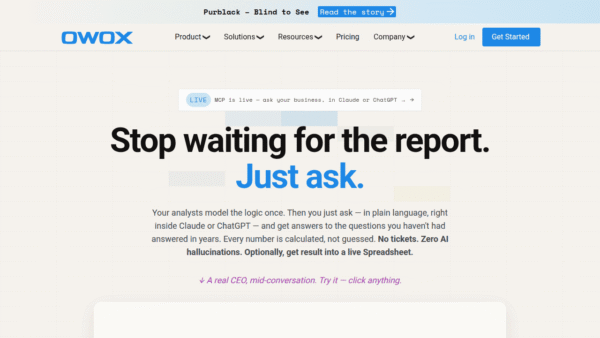
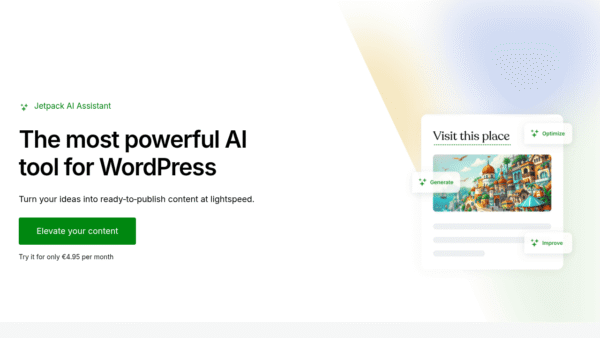
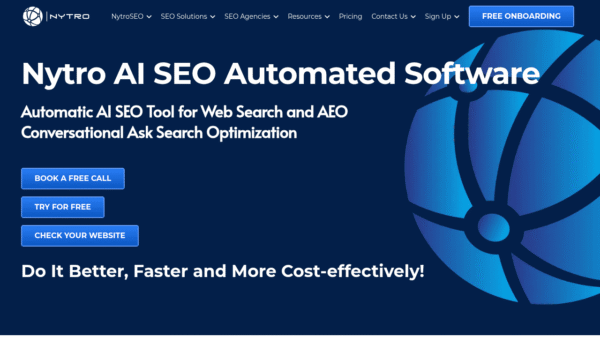
Krastie AI operates in a small but growing category. Tools like LLMboost take a similar angle on LLM brand tracking, while platforms like Peasy.so approach AI visibility from a broader performance analytics lens. KIVA and SEOPro AI focus more on traditional SEO automation with AI-assisted features.
What distinguishes Krastie is its specific focus on how brands are represented inside AI answers — not just whether they rank for AI-adjacent keywords. That’s a narrower, more precise problem, and it’s the right problem to be solving.
AiToolsObserver Score: 7.8 / 10
Krastie AI earns a solid score for tackling a real and underserved problem with a focused product approach. The concept is sound, the use case is timely, and the gap analysis functionality adds genuine strategic value.
The score reflects the category’s early-stage maturity and the need for more transparency around pricing and integration before it can be recommended without reservation for enterprise adoption.
The Bottom Line

If your buyers are using ChatGPT or Gemini to research solutions in your category — and they almost certainly are — you need to know how your brand shows up in those conversations.
Krastie AI is one of the clearest answers to that question available right now. It won’t replace your SEO stack, but it will tell you something your SEO stack can’t: whether you exist in the AI-driven discovery layer that’s quietly reshaping how decisions get made.
That’s insight worth having. The brands that build this into their measurement framework early will have a meaningful advantage over those who wait until AI search visibility becomes table stakes.










Comments (0) No comments yet
Want to join this discussion? Login or Register.
No comments yet. Be the first to share your thoughts!