


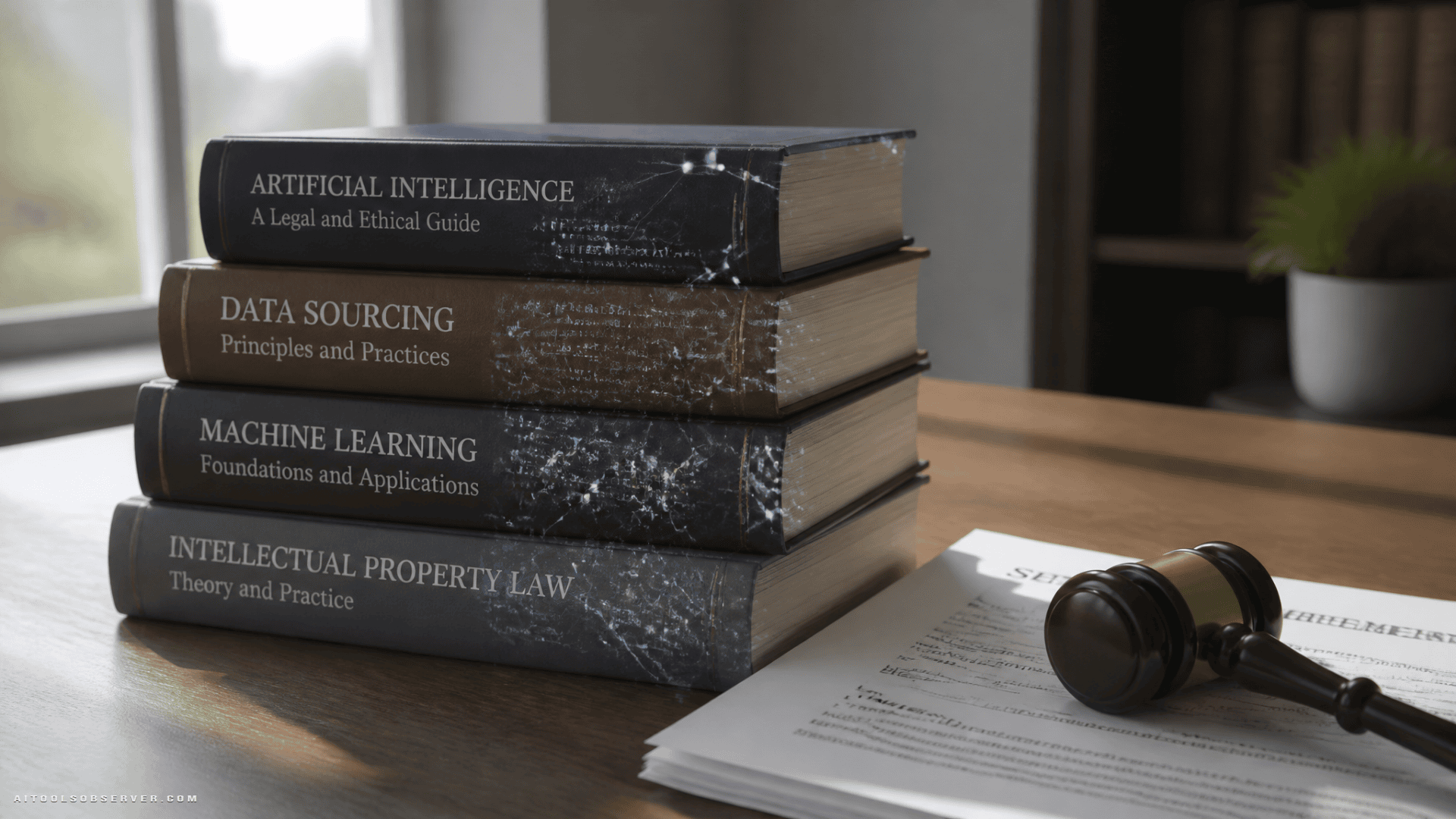
A Precedent That Isn’t Really a Precedent
Here’s the structural issue: because Anthropic settled before the case reached an appeals court, the fair use ruling stays at the district court level. It’s one judge’s opinion, not binding law.
Every other judge handling a similar case is free to disagree. And plenty of similar cases are in motion.
Google, Meta, OpenAI, and Midjourney are all facing copyright lawsuits over AI training data. Just last week, a group including Hachette, Cengage, Elsevier, author Scott Turow, and S.C.R.I.B.E. filed a class action against Google over its use of copyrighted works to train Gemini. That case starts fresh, with no obligation to follow Alsup’s reasoning.
What This Means in Practice
For AI companies, the takeaway is fairly clear: how you source training data matters as much as whether you use it. Buying and scanning books survived legal scrutiny. Downloading from pirate mirrors did not. That’s a meaningful operational line, even if the broader fair use question remains unsettled.
For authors and publishers, the settlement offers compensation but no closure. The legal framework governing AI training is still being written, one district court at a time.
The Bigger Picture
The Anthropic case was always going to be a bellwether, not a verdict. It surfaced the right questions—about consent, compensation, and what “fair use” means when the user is a trillion-parameter model—but it didn’t answer them for the industry.
The useful takeaway: watch the Google and OpenAI cases. Those are where the next round of answers, or non-answers, will come from. The fight over AI training and copyright isn’t winding down. It’s just getting started.





Comments (0) No comments yet
Want to join this discussion? Login or Register.
No comments yet. Be the first to share your thoughts!