



The State of AI in Education: What the Report Reveals

The data is clear: AI adoption in schools is accelerating fast.
According to Microsoft’s latest findings, 58% of education leaders say their schools are currently implementing or expanding AI use. On top of that, more than three-quarters of educators and school leaders report increased AI use over the past year alone.
That’s not gradual adoption — that’s a shift.
But here’s the tension: demand for AI skills is high, yet formal training is almost nonexistent. 77% of students and 53% of educators say they have not received any formal AI training. Both groups want it. Schools just haven’t delivered it yet.
The Academic Integrity Problem Nobody Is Ignoring
The report also surfaces a concern that every educator already feels in the room — academic integrity. As students gain access to more AI tools, the need for clear, enforceable classroom guidelines becomes critical.
Microsoft isn’t sidestepping this. The new tools are designed with that tension in mind, giving teachers the ability to set AI boundaries and manage how students interact with these features in real time.
What Microsoft Actually Launched: The New Microsoft 365 Education Features

This is where the announcement gets practical. Microsoft has added several AI-powered capabilities directly into Microsoft 365 Education, targeting the everyday workflow of teachers and the learning experience of students.
Here’s what’s new:
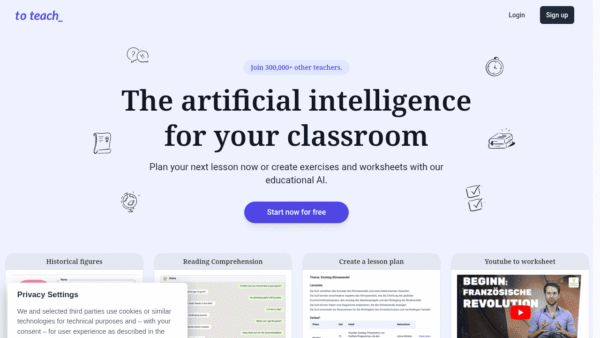
- Standards-aligned lesson planning — Teachers can use AI to generate lesson planning that map directly to curriculum standards, cutting down prep time significantly.
- Classroom AI guidelines — Educators can now set parameters around how AI is used within their classroom environment, giving them more control over responsible use.
- Live learning activity management — A feature designed to help teachers manage and monitor interactive activities as they happen in real time.
- AI-supported study guides for students — Students get access to personalized, AI-generated study materials tailored to what they’re learning.
- Interactive learning experiences — Broader AI-driven engagement tools that move beyond passive content consumption.
These aren’t experimental features buried in a beta menu. They’re built into the platform educators already use daily.
Elevate for Educators: Closing the Training Gap
Microsoft is also expanding its Elevate for Educators program — a direct response to the training gap the report exposed.
The headline addition is a free AI Literacy for Educators credential, developed in partnership with ISTE + ASCD, two of the most respected organizations in education technology. This gives teachers a structured, credentialed path to building real AI competency — not just surface-level familiarity.
For schools looking to go further, applications for the 2026-27 Educator Expert and Showcase School recognition programs are open through July 31. These programs recognize institutions and educators leading the way in responsible, effective AI integration.
Why This Matters for AI Adopters and EdTech Watchers
Microsoft is doing something smart here. Rather than just shipping features, they’re building an ecosystem — tools, training, credentials, and community recognition — that makes AI adoption in education feel structured and safe rather than chaotic and risky.
For founders and product teams building in the EdTech space, this signals where the floor is moving. If Microsoft is embedding AI lesson planning and live activity management into a free education tier, standalone tools doing only that will face serious headwinds.
For educators and school leaders, the message is simpler: the infrastructure is here. The gap now is internal — training your staff, setting your guidelines, and deciding how AI fits your school’s values.
The Bottom Line
Microsoft’s latest education update isn’t just a product release — it’s a response to a documented, growing need. The AI in Education Report gives the launch credibility, and the tools themselves address real friction points teachers face every day.
The training gap is real. The demand is real. And now, the tools are real too.
If you’re in education or building for it, this is the kind of update worth watching closely — not because Microsoft launched something shiny, but because it reflects where the entire sector is heading.







Comments (0) No comments yet
Want to join this discussion? Login or Register.
No comments yet. Be the first to share your thoughts!