


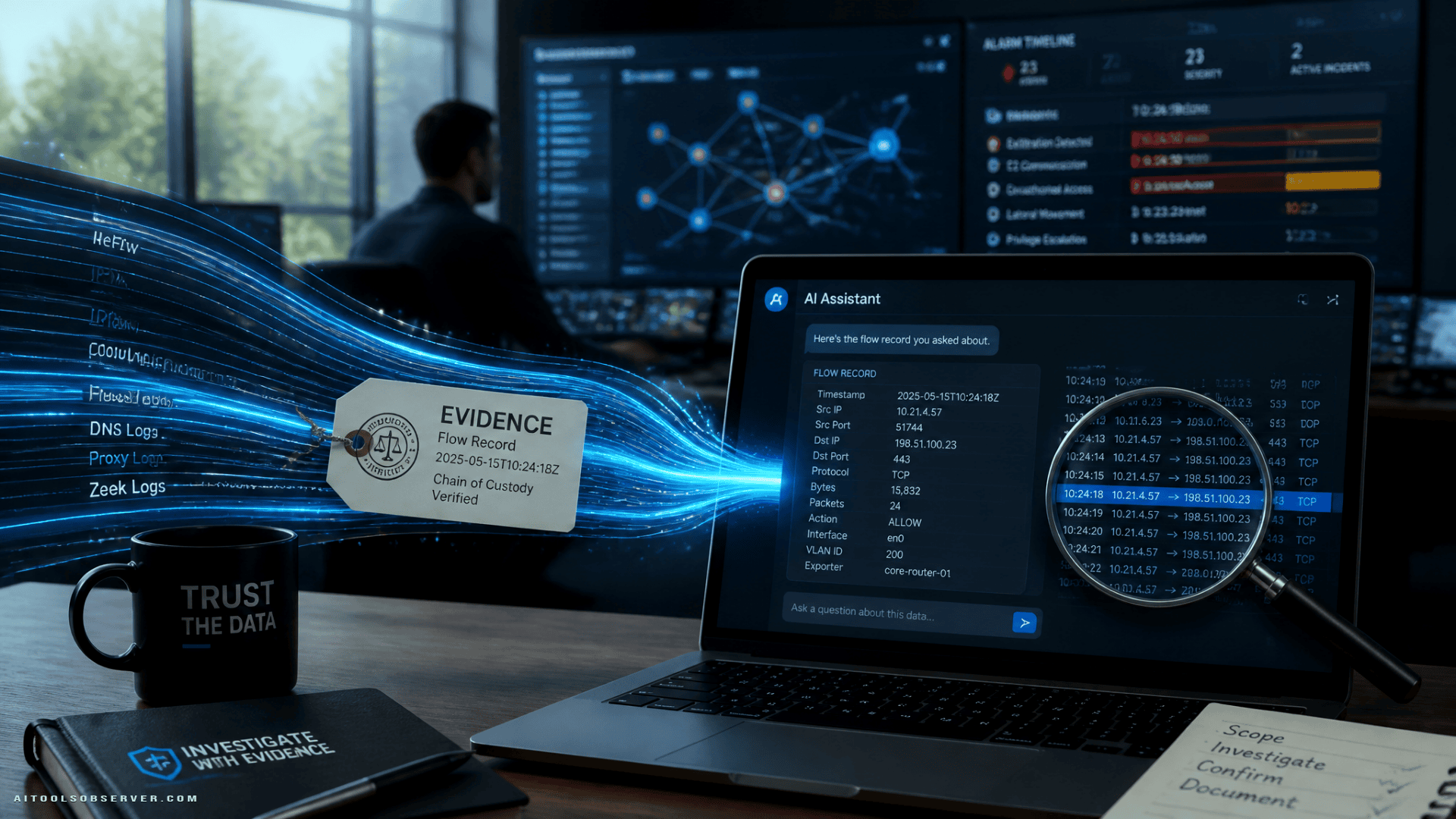
The shift from separate consoles to wherever the analyst already works
Analysts typically toggle between a SIEM, a flow analytics tool, and a chat window. Each jump adds friction and risks leaving the evidence behind. Plixer’s approach is different: instead of building a new AI front-end that competes with the tools teams have already chosen, it exposes the flow record through an MCP server called Scrutinizer MCP. Any AI environment that speaks the open standard—including Anthropic’s Claude and enterprise ChatGPT deployments—can ask the server to run flow reports, investigate alarms, and return the raw network conversation logs that support a conclusion.
Paul Piccard, Plixer’s CTO, frames it as a practical concession to how work actually gets done:
“We’re not asking them to switch. We’re giving them the network record those tools couldn’t see before.”
The result is that a SOC analyst can ask Claude “show me all flows from host 10.2.4.18 in the last hour” and receive evidence directly from the same flow data that Plixer collects—without logging into Scrutinizer at all.
This does more than save clicks. It brings network evidence into the same AI reasoning loop that security teams use for triage, summarization, and reporting. The AI can correlate an alarm with historical flow patterns and generate an incident brief backed by the flows, not just log lines.
What Plixer 19.8 actually delivers
The release introduces three capabilities that together change how network investigation data travels inside a security operation.
Scrutinizer MCP: the external AI bridge
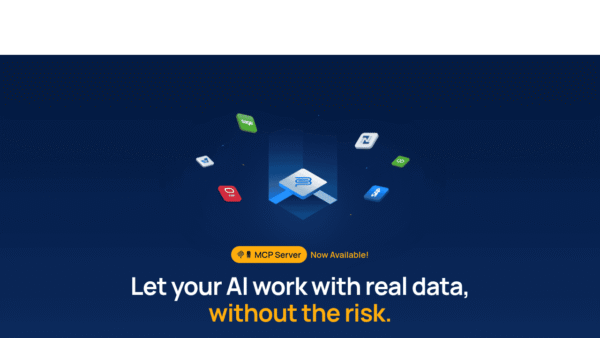
The MCP server is the headline feature. It translates Plixer’s searchable flow record into queries that any MCP client can execute. Analysts can run flow reports, investigate alarms, and retrieve metadata from any AI environment that supports the protocol. Every answer is built from the flow record, with the evidence attached, so the chain of custody is clear—critical when a board or auditor asks how a conclusion was reached.
The open-standard nature of MCP matters. Teams don’t get locked into a single AI tool. If the organization moves from one LLM to another, the flow data connection stays intact.
Plixer AI: in-platform agents for teams that keep the work inside
For teams that prefer to run investigations within Plixer itself, the release adds two types of AI agents. AI Insights correlates each day’s alarms into ranked incidents with the supporting flows pre-attached. The AI Assistant allows analysts to ask plain-language questions about any alarm and receive a timeline and incident brief on demand. These agents don’t replace the MCP path; they give operators a native alternative when external AI access isn’t needed or permitted.
Extended Flow History: longer forensic retention
Forensic investigations often require looking back months, not days. Plixer 19.8 introduces multi-tier flow storage with retention policies configurable per data exporter. Combined with one-year host indexing, this keeps the network record searchable for periods that far exceed typical flow tool retention windows. That matters when a compromise went undetected for weeks or when the regulator demands a full year of traffic evidence.
Practical implications for AI-assisted security operations
The announcement changes how teams should think about connecting AI to network telemetry. Instead of expecting every security vendor to build its own LLM integration, Plixer made the flow record a data source that any AI tool can consume. This flips the model: the AI environment becomes the universal investigation surface, and specialized tools expose their evidence through a standard protocol.
One tradeoff is that the quality of the AI’s conclusions still depends heavily on the prompt engineering and the model’s ability to reason about network behaviour. Getting raw flows is one thing; interpreting lateral movement or beaconing patterns correctly requires domain knowledge that a general-purpose LLM won’t possess without careful guidance. But having the full flow record available inside the chat session gives the analyst a chance to verify the AI’s reasoning against the actual evidence without context switching.
What the pricing tells you about the target audience
Plixer Scrutinizer starts at $10,200 USD per year; Plixer One starts at $24,000 USD per year. Enterprise and Global 2000 organisations in regulated industries—financial services, healthcare, government—are the natural fit. These are environments where the cost of not having network evidence during an audit can dwarf the subscription price. The update is included at no additional charge for existing customers, signalling that Plixer sees MCP connectivity as table stakes for modern flow analytics, not a premium add-on.
The move arrives at a moment when many security teams are experimenting with agentic workflows that pull data from multiple sources. A protocol-level integration means that a SOC’s automation scripts can treat flow data as just another tool in the agent’s arsenal, alongside endpoint logs and cloud telemetry.
Bottom line
Plixer 19.8 doesn’t try to replace the AI tools teams already use. It makes the network record consumable by them. That might sound like a small change, but in practice it means that the evidence underpinning a security decision can travel from the network infrastructure into the analyst’s AI workspace without manual extraction steps. For organisations that rely on network forensics to verify what happened, that’s a meaningful reduction in investigation latency and an increase in the defensibility of their findings.











Comments (0) No comments yet
Want to join this discussion? Login or Register.
No comments yet. Be the first to share your thoughts!