


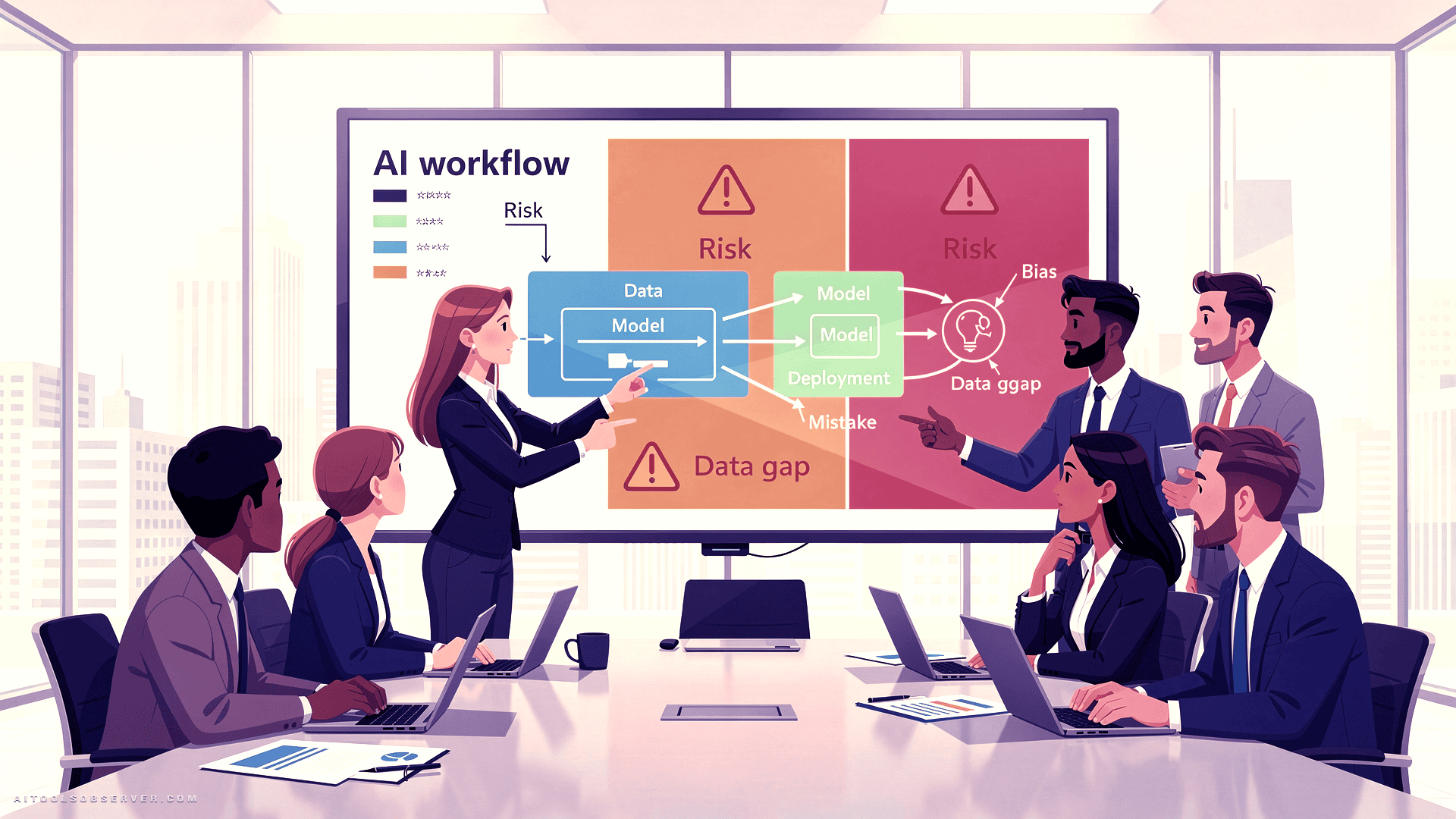
Mistake #1: Implementing AI for the Wrong Reasons

The pressure to ship something AI-powered is real. Investors want it. Clients ask about it. Competitors are announcing it. So businesses rush in, bolt on a third-party tool, and call it a day.
The result? Bugs, friction, and a brand that looks like it’s chasing trends instead of solving problems.
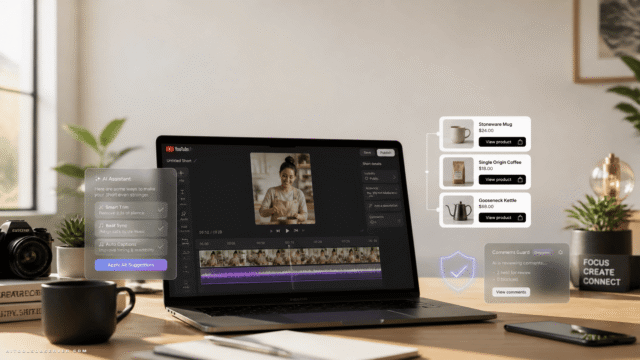
Tasty Edits — a video editing and YouTube channel management company — felt this pressure acutely. They operate inside the creator economy, where AI is both a productivity lever and a lightning rod. Creators who love their service love it because of the human craft behind it. A clumsy AI rollout could undo years of trust in a single sprint.
The smarter move: start with a real workflow problem, not a press release. Ask what’s actually breaking before you ask what AI can fix.
Mistake #2: Reaching for Generic Tools When You Need a Custom Fit

Most businesses skip the hard question — which specific friction point are we solving? — and jump straight to plugging in whatever tool has the best G2 rating that week.
Generic tools are fast. They’re also blunt instruments.
Tasty Edits’ channel managers were drowning in data. Dozens of metrics per client, multiple time periods, cross-channel comparisons — all done manually. Existing tools could crunch the numbers, but they couldn’t factor in what actually mattered: each creator’s goals, brand voice, personal attitudes, and long-term vision. That context lived in weekly strategy calls, not dashboards.
So they built something proprietary. A tool that combines raw analytics with the qualitative context their managers already held — surfaced through a single interface, no tab-switching required.
It cost more. It took longer. And it works better than anything off the shelf would have.
Custom beats cheap — not always at first, but always eventually.
Mistake #3: Using AI to Replace Human Moments Instead of Protecting Them
This one is the most common — and the most quietly damaging.
A lot of companies treat AI as a headcount reduction strategy dressed up in productivity language. The logic goes: if AI handles the client touchpoints, we need fewer people handling them. Efficiency unlocked.
Except clients notice. And they leave.
Tasty Edits built their AI tools with the opposite goal: reduce time spent on data processing so channel managers could spend more time in real conversations with creators. The AI handles pattern recognition. The humans handle partnership.
The results back this up. Clients reported stronger strategic insights and better channel performance — averaging nearly 20% more watch time across the board. That’s not a coincidence. That’s what happens when AI amplifies human judgment instead of replacing it.
The Takeaway
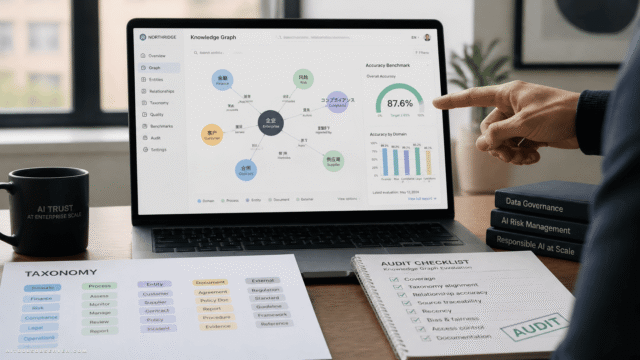
AI tools are only as good as the thinking behind them. Implement for the wrong reasons, and you’ll ship something that frustrates everyone. Stay generic when you need specificity, and you’ll solve the wrong problem elegantly. Automate the human moments, and you’ll optimize your way out of the relationships that actually drive retention.
The businesses getting this right aren’t the ones moving fastest. They’re the ones asking better questions before they write a single line of code — or sign a single SaaS contract.
Observe carefully. Choose deliberately. Build things that actually work.











Comments (0) No comments yet
Want to join this discussion? Login or Register.
No comments yet. Be the first to share your thoughts!