


The Problem AI Guardian Is Solving
When you give an AI agent access to your SSH keys, API credentials, or local file system, you’re extending your own trust profile to a piece of software. That software can be manipulated.
Research cited by Bitdefender tested 20 AI agents against more than 1,300 tool poisoning attempts. Attacks succeeded 36.5% of the time. One model was successfully manipulated in nearly 73% of attempts. These aren’t edge cases — they’re consistent failure rates across real agent workflows.
Credential exposure compounds the risk. A separate study reportedly identified more than 1.2 million exposed AI service secrets in 2025 alone, an 81% year-over-year increase. More than 24,000 credentials were found exposed through publicly available Model Context Protocol (MCP) configurations.
What AI Guardian Actually Does
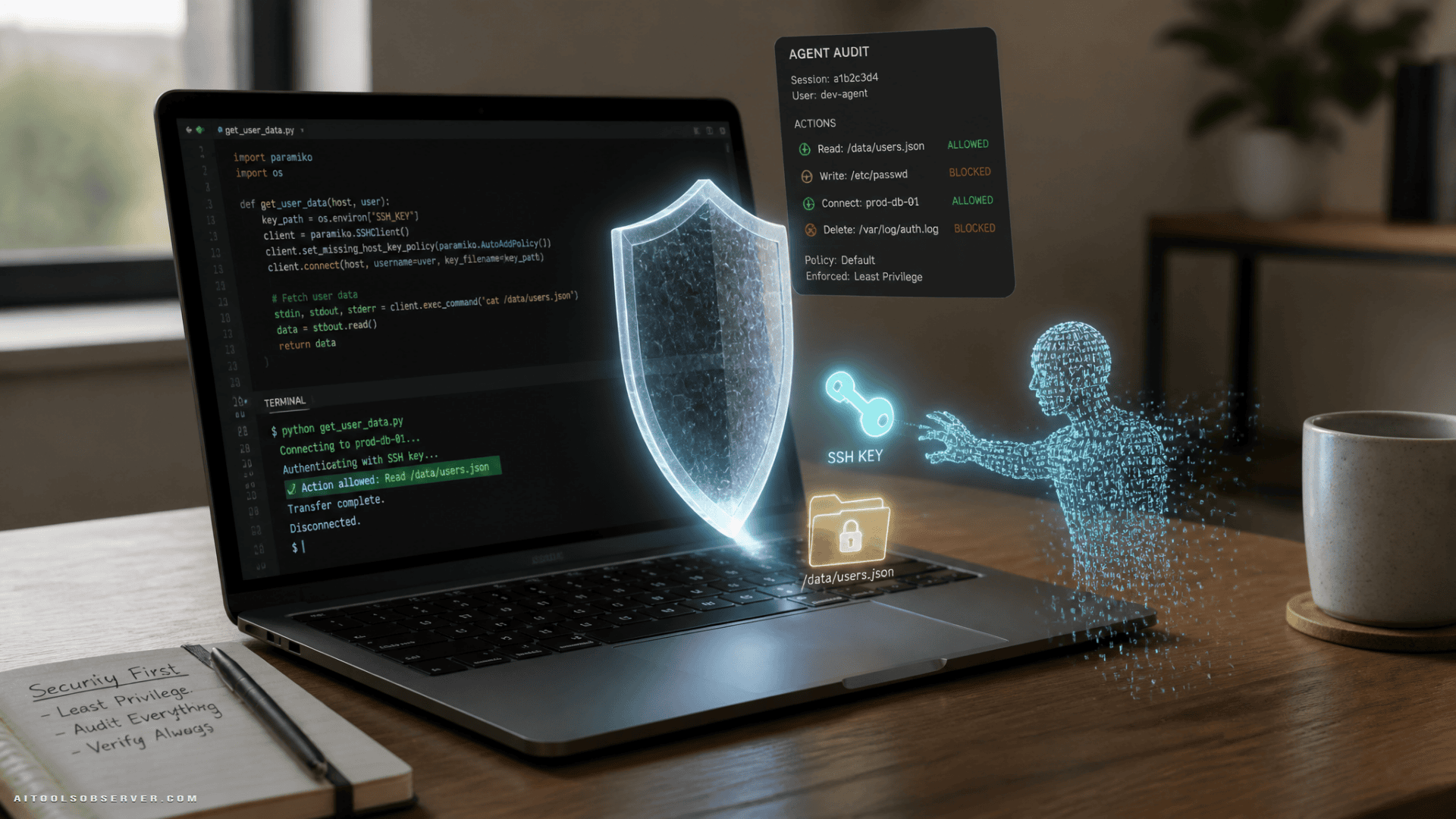
AI Guardian runs quietly in the background and intercepts agent requests before they execute. Each request gets one of three outcomes: allowed, flagged, or blocked. Every decision is logged for auditing.
The tool currently supports Claude Code 2.1.121 and OpenClaw 2026.6.6. Here’s what it monitors:
- Prompt injection attempts — hidden instructions embedded in content that try to redirect agent behavior
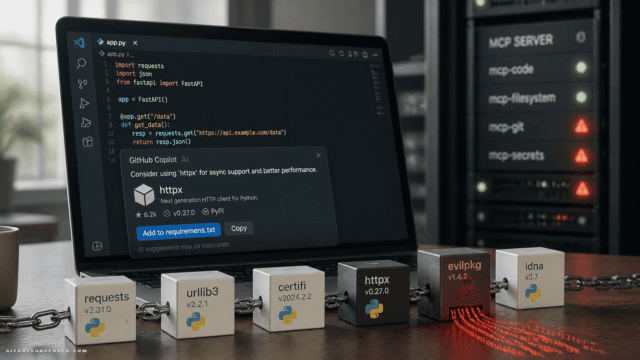
- Tool poisoning — suspicious or altered MCP components that an agent might invoke
- Credential abuse — exposed API keys or SSH credentials triggering access restrictions
- Unauthorized resource access — blocking agents from touching sensitive system files without explicit permission
Prompt processing happens locally. Some features, like website reputation checks, use Bitdefender’s cloud infrastructure, but the core security logic stays on-device.
Who This Is Actually For
AI Guardian is positioned squarely at developers and technical users running agent-based workflows on Mac. If you’re using Claude Code or similar tools to automate coding tasks, file operations, or system-level work, this is the audience Bitdefender is targeting.
It’s not a consumer antivirus add-on. It’s a checkpoint layer for people who have already handed meaningful system access to an AI agent and want visibility into what that agent is actually doing.
As Ciprian Istrate, Bitdefender’s SVP of Consumer Solutions, put it: “The agent itself has become its own entity to secure.” That framing is accurate. An agent inherits your permissions and your risk surface. Protecting only the human side of that equation leaves the agent side wide open.
Availability and What to Expect
AI Guardian is free during its public beta. The current release is limited to macOS and English-language users. Bitdefender has indicated plans to expand to other operating systems, and the company already has two other products in its agent security lineup.
The beta framing means the tool is still evolving. Agent support is limited to two platforms at launch, and the feature set will likely expand as the product matures.
The Practical Takeaway
If you’re running AI agents locally on a Mac — especially for development or automation work — AI Guardian is worth installing during the beta period. It’s free, it runs in the background, and it gives you an auditable record of what your agents are actually requesting.
The bigger signal here is that agent security is becoming its own product category. Bitdefender entering this space with a free tool suggests the threat surface is real enough to justify dedicated tooling — and that the window to get ahead of it is now, not later.





Comments (0) No comments yet
Want to join this discussion? Login or Register.
No comments yet. Be the first to share your thoughts!