



15,000 Bills. One Backlog. Zero Time.

The Congressional Research Service is the quiet engine behind legislative understanding. Lawmakers lean on CRS summaries to make sense of the avalanche of bills that land on their desks each session. The problem? More than 15,000 bills have been introduced in the current Congress, and the summaries aren’t keeping up.
That backlog isn’t just an administrative headache. It’s a signal that the infrastructure supporting policy analysis hasn’t scaled with legislative volume. Something has to give.
The Hearing That Actually Matters

On June 25, the House Administration Committee will examine whether AI-enabled policy analysis can help CRS modernize its research operations. Acting Librarian of Congress Robert Newlen has already put a number on the solution: $5.4 million in FY2027 funding to build a centralized AI enterprise platform.
The goal is a generative AI model purpose-built to summarize legislation — securely, at scale, and fast enough that Congress isn’t, in Newlen’s own words, “left behind.”
That’s a remarkably candid framing from a federal institution. It suggests urgency, not just curiosity.
The Regulation Paradox
Here’s where it gets interesting. Just weeks before this hearing, Reps. Jay Obernolte (R-CA-23) and Lori Trahan (D-MA-3) dropped a 269-page bipartisan discussion draft of the Great American Artificial Intelligence Act of 2026 — covering state preemption, labor market impacts, and employer obligations around AI systems.
Meanwhile, the White House released its National AI Policy Framework back in March, pushing for federal preemption of state AI laws and online child safety guardrails.
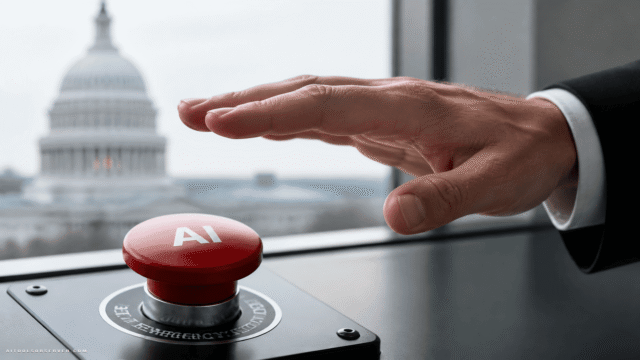
Congress is simultaneously writing the rules for AI and considering deploying it internally. That’s not hypocrisy — it’s actually the right sequence. You can’t regulate what you don’t understand. But the optics demand that the internal rollout be done carefully.
What the CRS Model Would Actually Do
The proposed generative AI model isn’t designed to replace CRS analysts. The framing is narrower and more practical: accelerate bill summarization so that the human experts can focus on deeper analysis rather than volume processing.
Think of it as an AI first draft — structured, consistent, and fast — that frees up institutional knowledge for the work that actually requires judgment.
That’s a use case that translates well beyond Capitol Hill. Any organization drowning in document volume and short on analyst bandwidth is looking at the same problem.
Why Legislative Tech Is Having a Moment
The CRS push doesn’t exist in a vacuum. Legislative tech has been quietly maturing — tools for bill tracking, regulatory monitoring, policy impact modeling, and now AI-assisted summarization are all converging at once.
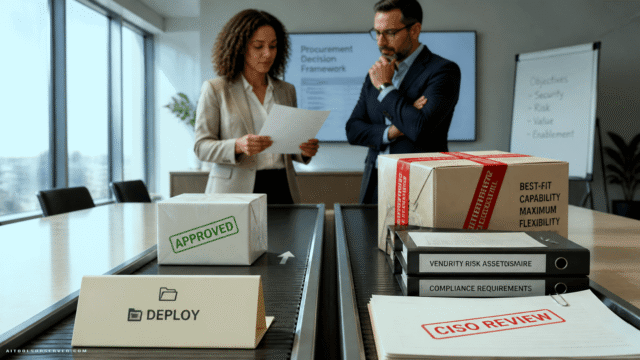
The federal government moving toward an enterprise AI platform signals something important: public sector AI adoption is shifting from pilot projects to infrastructure decisions. That’s a different kind of commitment, and it comes with procurement cycles, security requirements, and governance frameworks that private-sector tools will need to meet.
For anyone building or evaluating AI tools in the govtech or legaltech space, this hearing is worth watching closely.
The Smarter Takeaway
Congress testing AI on its own legislative backlog is, in a strange way, the most honest thing it could do before finalizing AI regulation. Using the technology — with real constraints, real accountability, and real public scrutiny — is better preparation for writing good rules than any number of expert panels.
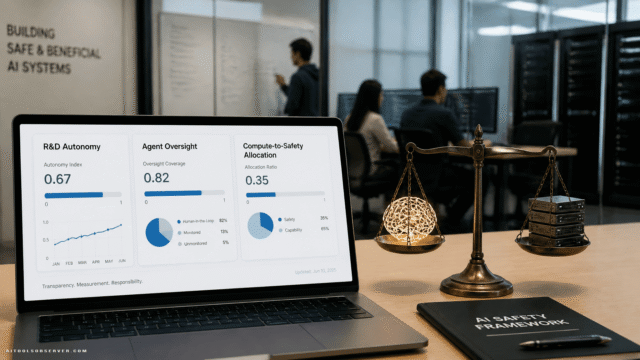
The question isn’t whether AI belongs in policy analysis. It clearly does. The question is whether the institutions adopting it will build the governance scaffolding fast enough to keep the trust of the people watching.
June 25 is a small hearing. But it’s pointing at a very large shift.








Comments (0) No comments yet
Want to join this discussion? Login or Register.
No comments yet. Be the first to share your thoughts!