


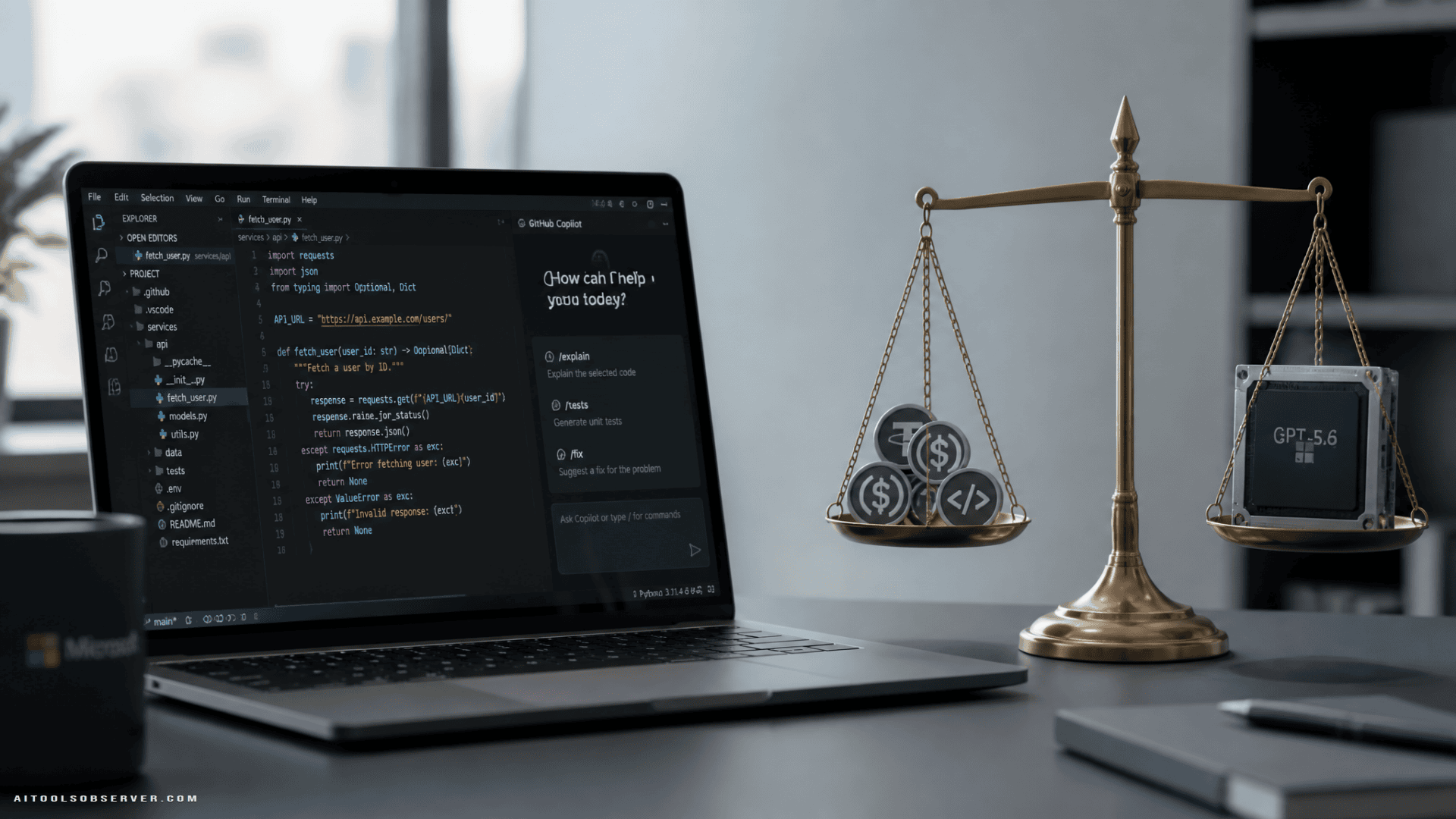
The Token Economics Behind the Decision
Parikh’s memo frames the move explicitly in financial terms. “Internally, shifting more workloads to OpenAI models helps us get greater value from our token investment,” he wrote. Tokens—roughly three-quarters of a word each—are the unit of measure for AI processing costs, and at enterprise scale, model selection directly determines spend.
This matters because Microsoft is not short on model options. The company offers access to more than 11,000 models through Azure, including those from Anthropic, Google, Moonshot AI, xAI, and its own in-house models. GitHub Copilot itself supports a wide selection. The decision to standardize internally on GPT-5.6 Sol is therefore a deliberate constraint, not a limitation of choice.
IP Rights as a Strategic Asset
There is a second layer to this decision that goes beyond token costs. Microsoft’s early investment in OpenAI secured intellectual property rights extended through 2032 following OpenAI’s corporate restructuring. Defaulting to OpenAI models internally means Microsoft is actively extracting value from that arrangement—not just paying for API access, but leveraging a structural advantage competitors cannot easily replicate.
This is a meaningful distinction. When a company has pre-negotiated IP terms baked into a long-term investment, routing workloads through that partner is not just a cost decision—it is a return-on-investment decision.
The Broader Pressure on AI Spend
Microsoft is not alone in tightening its approach. Wall Street is increasingly demanding returns from the massive capital expenditure commitments made by the major hyperscalers. Microsoft, Amazon, Alphabet, and Meta are collectively expected to spend over $700 billion on AI infrastructure this year, while free cash flow has declined across the group. Microsoft’s own cash generation fell 23% year-over-year in the latest quarter.
The brief period of “tokenmaxxing”—when developers were encouraged to run large token bills without worrying about output—appears to be giving way to a more disciplined model. Parikh’s memo explicitly encourages employees to identify both AI spending that delivered value and spending that did not.
What This Means for Developer Tooling
The practical implications for teams using GitHub Copilot are worth noting:
- GPT-5.6 Sol becomes the default, but other models remain selectable at any time—this is a nudge, not a lock-in.
- CoreAI has not yet set per-team or per-employee token budgets, though other Microsoft divisions are already managing them.
- Large token-intensive projects require a conversation with a manager before proceeding.
- Model defaults will continue to shift as products and models evolve, according to Parikh.
The guidance also arrives in a competitive context. GitHub Copilot now claims 50 million users, but newer entrants like Cursor have taken meaningful market share in the AI coding space. Maintaining a clear, efficient default model is partly a product discipline decision—reducing friction for developers while keeping infrastructure costs predictable.
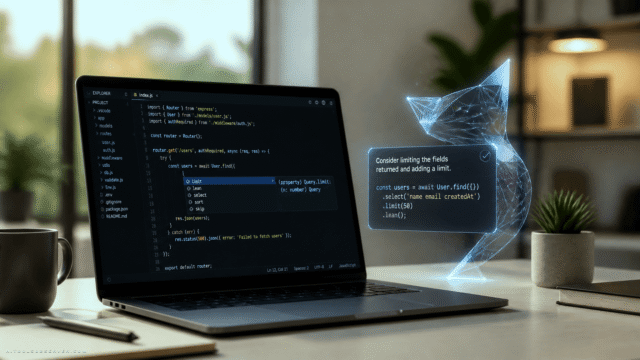
More broadly, this fits into the landscape of Developer Tooling where model choice, workflow defaults, and cost controls increasingly shape product strategy.
The Anthropic Relationship Adds Complexity
Microsoft’s relationship with Anthropic complicates the picture. The company agreed to invest up to $5 billion in Anthropic, and Anthropic committed to spend $30 billion on Azure cloud services. Copilot Cowork, a Microsoft product, incorporates Anthropic models. Yet Parikh’s memo steers internal usage toward OpenAI—a signal that commercial partnerships and internal defaults do not necessarily align.
One key difference, as Microsoft CEO Satya Nadella has noted, is that Anthropic’s Claude Code agent locks users into Anthropic models, while GitHub Copilot maintains model flexibility. The IP terms with OpenAI, however, appear to give that relationship a structural weight that Azure’s Anthropic deal does not yet match.
The Useful Takeaway
For teams building on AI coding tools, this move is a useful signal: model defaults at the enterprise level are now infrastructure decisions, not just product preferences. The choice of which model runs by default reflects token economics, IP agreements, and capital allocation strategy—not just benchmark performance.
If you are evaluating AI coding tools for your own team, it is worth asking not just which models a platform supports, but what incentives shape which model it recommends first.








Comments (0) No comments yet
Want to join this discussion? Login or Register.
No comments yet. Be the first to share your thoughts!