



What Changed and Why It Matters
Until now, Samsung Health aggregated metrics like heart rate and sleep into a daily Energy Score. The new update goes considerably further, applying AI-driven analysis to overnight bio-signals and long-term health patterns to generate guidance users can act on immediately.
This is a meaningful distinction. Raw data has limited value without context. What Samsung is building is a layer of interpretation that translates numbers into decisions.
Vitals: Overnight Signal Analysis

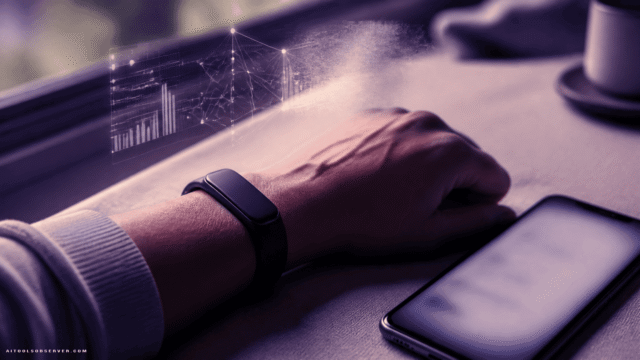
The new Vitals feature monitors five overnight bio-signals — heart rate, heart rate variability, respiratory rate, skin temperature, and blood oxygen — and compares them against each user’s personal resting baseline.
Crucially, it only sends a notification when a meaningful deviation is detected. This design choice directly addresses alert fatigue, a common failure point in health wearables that bombard users with low-signal warnings.
Heart Health Score: A Unified Daily Metric
Samsung’s previously introduced Vascular Load metric has been absorbed into a broader Heart Health Score. This single daily figure combines sleep quality, stress indicators, physical activity, and body composition data into one consolidated reading.
The practical benefit is clarity. Instead of navigating multiple dashboards, users receive one number that reflects the cumulative impact of their habits on long-term cardiovascular health.
Daily Cardio Load: Training Without Guesswork

For users engaged in aerobic exercise, Daily Cardio Load calculates accumulated cardiovascular strain across the day and compares it against individual training capacity.
The system then recommends optimal training intensity and recovery windows. This is particularly relevant for runners, cyclists, and anyone managing fitness goals alongside recovery — it removes the subjective guesswork from training decisions.
Fitness Index: Contextualised Performance
The Fitness Index analyses heart rate, VO2 max, and daily step count, benchmarking results against peer groups to identify individual strengths and weaknesses.
Rather than presenting raw comparisons, it feeds personalised goals and tailored content back to the user — making the data actionable rather than merely informative.
Redesigned App Architecture
Alongside the new features, Samsung Health has been restructured around five core pillars: Sleep, Activity, Nutrition, Mindfulness, and Vitals. The Home screen now surfaces daily wellness tips alongside the AI-powered Energy Score in a single consolidated view.
This structural simplification matters. The value of health data degrades quickly when users cannot find or interpret it. A cleaner layout reduces friction and increases the likelihood that insights are actually used.
Supporting Features Worth Noting
Several existing capabilities have also been upgraded. The Antioxidant Index now includes trend charts and daily history logs, connecting nutritional choices to physical responses over time. The AGES Index has been enhanced to capture automatic overnight measurements passively, building a long-term picture of how lifestyle accumulates in the body.
A new Hearing Health feature rounds out the update, monitoring ambient noise levels through Galaxy Watch and delivering personalised analytics to help protect hearing — a quietly significant addition given how underserved this health dimension has been in wearables.
Ecosystem as Infrastructure
These features do not operate in isolation. Samsung’s approach is explicitly ecosystem-driven, with health data flowing across Galaxy smartphones and connected devices to maintain a unified, always-accessible view of user well-being.
This integration is both a competitive advantage and a strategic dependency. The full value of these AI features is realised only within the Galaxy ecosystem — a deliberate design that deepens platform lock-in while genuinely improving the user experience for those already invested in it.
The Bigger Picture
Samsung is making a credible case that AI-powered health monitoring has moved past novelty. The combination of personalised baselines, unified scoring, and proactive notifications represents a more mature model of wearable intelligence — one focused on reducing cognitive load rather than adding to it.
For anyone evaluating health-focused AI tools, this update is worth watching closely. It demonstrates what happens when biometric data collection is paired with contextual AI analysis at scale — and sets a new benchmark for what users should expect from a wearable health platform in 2026.







Comments (0) No comments yet
Want to join this discussion? Login or Register.
No comments yet. Be the first to share your thoughts!