



The Expanding Toolkit for Abuse

Technology-facilitated abuse isn’t new. AirTags were being weaponized for stalking before most people had heard of large language models. Smart glasses created surveillance risks the moment they hit consumer shelves. These weren’t edge cases — they were early signals of a pattern.
Generative AI accelerated that pattern sharply.
Tools capable of producing realistic images, cloning voices, and generating convincing impersonations are now widely accessible. A recent incident involving Grok and images related to women’s clothing drew sharp public attention to how quickly AI-enabled harm can surface from mainstream tools. That incident wasn’t an anomaly. It was a preview.
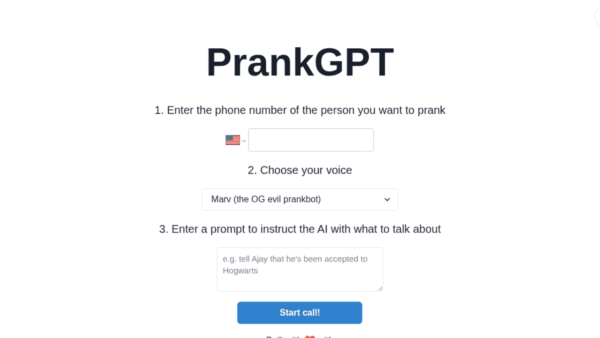
The barrier to entry for harassment, impersonation, and non-consensual image generation has dropped to near zero. You don’t need technical skills. You need a browser and a free account.
Why This Is an Operational Problem, Not Just an Ethical One

For practitioners working in content moderation, trust and safety, or AI deployment, this shift creates concrete operational pressure.
Detection pipelines are under strain. Generative images are increasingly difficult to distinguish from authentic ones at scale. Moderation systems trained on older abuse patterns are playing catch-up with synthetic content that didn’t exist when those systems were built.
Evidence preservation is harder. When abuse involves AI-generated content, establishing provenance — proving what was created, when, and with what tool — becomes a forensic challenge. Victims face an asymmetric burden: the harm is immediate, but the documentation required to act on it is technically complex.
Cross-device correlation is a growing need. Abuse rarely lives on one platform or one device. A stalking campaign might combine AirTag location data, scraped social media images, and AI-generated content. Connecting those threads requires tooling and coordination that most platforms aren’t built to provide.
These aren’t hypothetical concerns. They’re the operational reality for anyone building or maintaining systems that touch user-generated content.
The Shared Responsibility Problem

Nurse and Sugiura frame responsibility as distributed — across platforms, device manufacturers, and regulators. That framing is accurate, and it’s also part of why progress is slow.
When responsibility is shared, accountability tends to diffuse.
Platforms point to the difficulty of moderating synthetic content at scale. Device manufacturers argue their products have legitimate uses. Regulators move at legislative speed while the technology moves at startup speed. Each actor has a plausible reason to wait for someone else to act first.
The result is a policy gap that victims fall into.
What Platforms Are Being Asked to Do
The calls from researchers and advocates are consistent: stronger proactive detection, faster response to abuse reports involving AI-generated content, and clearer pathways for victims to escalate cases that cross platform boundaries.
Some platforms have introduced synthetic media policies. Few have built the infrastructure to enforce them reliably.
What Regulators Are Being Asked to Do
Safety-by-design requirements — mandating that consumer devices and AI tools include abuse-mitigation features before they ship — are gaining traction in policy discussions. Mandatory provenance markers for AI-generated images are another lever under active debate.
Neither has moved from discussion to enforcement at meaningful scale.
What to Watch

If you’re tracking this space, these are the signals that matter.
Platform-level abuse reports involving generative-image tools. When platforms start publishing data on AI-enabled abuse incidents, it will indicate both the scale of the problem and the maturity of their detection systems.
Regulatory actions targeting device tracking. AirTag-style tracking abuse has already prompted some legislative responses. Watch for those efforts to expand to include AI-generated surveillance content.
Technical work on provenance and manipulation markers. The Content Authenticity Initiative and similar efforts are building infrastructure for tracing the origin of digital content. Adoption by major platforms and device manufacturers is the variable to watch.
Antisurveillance features in consumer hardware. Whether device manufacturers build detectable signals into tracking hardware — and whether those signals are standardized — will shape how effectively abuse can be documented and prosecuted.
The Takeaway

Generative AI has lowered the cost of harm. That’s not a metaphor — it’s a measurable shift in the operational landscape for anyone building tools, moderating platforms, or setting policy.
The technology moved fast. The safeguards didn’t keep pace.
Closing that gap requires treating technology-facilitated abuse as an infrastructure problem, not just a content problem. Detection, provenance, cross-platform coordination, and safety-by-design aren’t nice-to-haves. They’re the baseline requirements for a generative AI ecosystem that doesn’t systematically enable harm against the people using it.
The tools to do better exist. The will to deploy them at scale is what’s still missing.










Comments (0) No comments yet
Want to join this discussion? Login or Register.
No comments yet. Be the first to share your thoughts!