


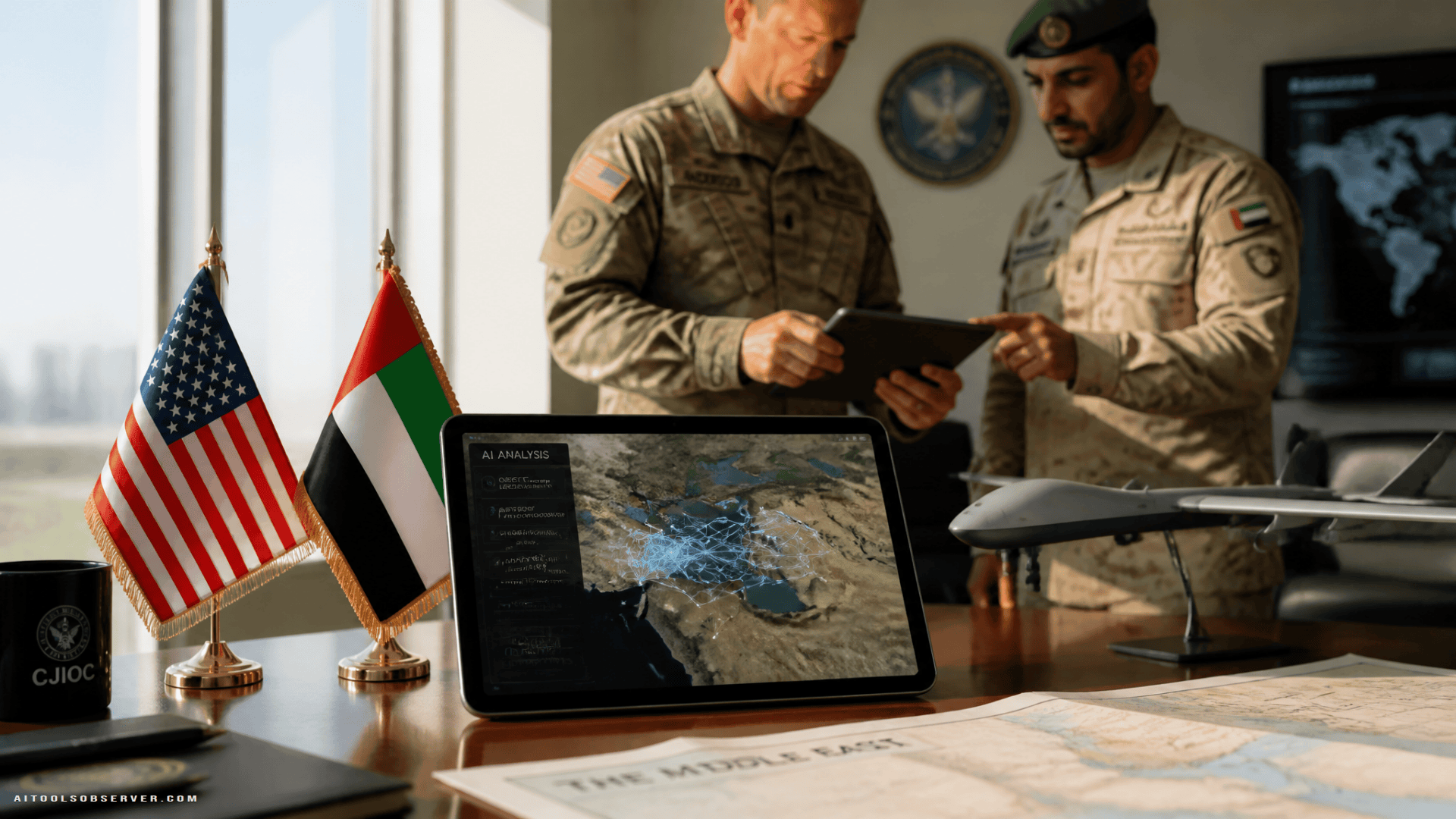
What Talon Synapse Actually Does
The task force will bring together American and Emirati experts in AI, data, and cybersecurity. Its focus areas include:
- Intelligence gathering — using AI to process and analyze surveillance data faster
- Infrastructure protection — applying AI to defend critical systems
- Regional security monitoring — tracking threats across the Middle East in near real-time
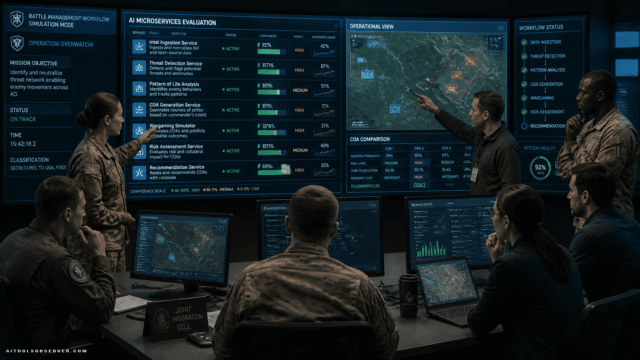
CENTCOM described the goal as fostering “innovation at speed and scale.” That’s not marketing language—it reflects a genuine operational pressure. Processing drone footage, satellite imagery, and battlefield data manually is slow. AI changes that calculus significantly.
Why the UAE, and Why Now
The UAE isn’t a random partner. It has invested heavily in AI infrastructure and has existing relationships with major U.S. tech companies. Washington also recently loosened export controls on the UAE, making it easier to ship AI chips, military hardware, and advanced computing equipment to the country—some of it now license-free.
The Commerce Department cited the UAE’s role in Operation Epic Fury, the U.S.-Israeli strikes on Iran that began in February, as part of the rationale for easing those restrictions. That context matters: this isn’t just a tech partnership, it’s a deepening security alliance with real operational history behind it.
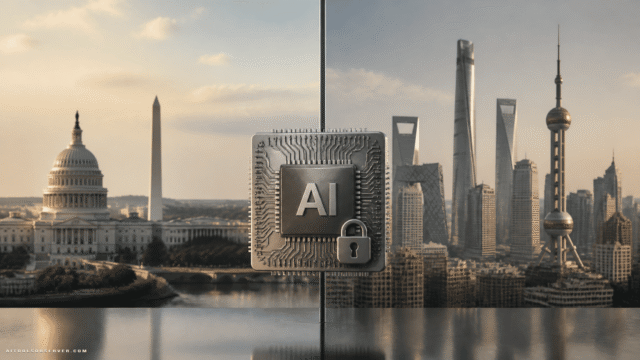
There’s also a geopolitical dimension that’s hard to ignore. The U.S. and China are actively competing to define the AI standard in defense technology. By embedding American AI systems into allied military infrastructure, Washington is effectively making a bet that its partners won’t turn to Chinese alternatives.
The Pentagon’s AI Ecosystem Is Getting Complicated
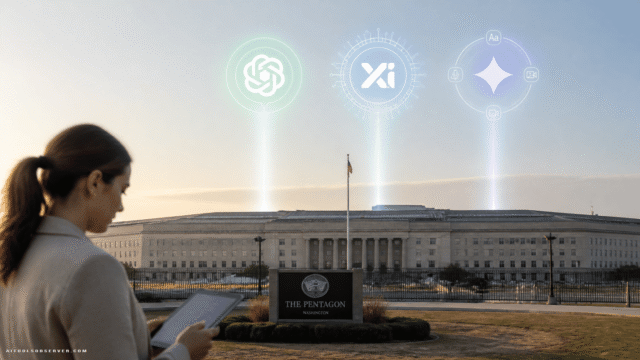
Talon Synapse doesn’t exist in a vacuum. The Pentagon is simultaneously navigating a messy internal debate about which AI tools it can actually use.
The Anthropic situation is worth understanding. Anthropic became a Pentagon AI partner in mid-2025, allowing the military to use its Claude model under specific restrictions—no mass domestic surveillance, no fully autonomous weapons. The Pentagon later pushed for broader access. President Trump ordered federal agencies to stop using Anthropic’s technology, and Defense Secretary Pete Hegseth designated Anthropic a “supply chain risk,” blocking military contractors from using Claude on Pentagon-related work. Anthropic sued, a judge sided with the company, and appeals are ongoing.
In May, the Pentagon announced agreements with seven other firms—including OpenAI, Alphabet, and SpaceX—to deploy their AI tools on classified military networks. The message is clear: the Defense Department wants AI access without safety guardrails it considers restrictive, and it’s willing to shop around to get it.
Project Maven Is the Blueprint
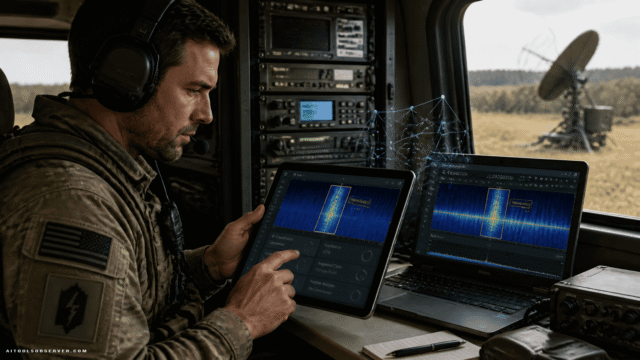
If you want to understand where military AI is heading, look at Project Maven. Launched by the Defense Department in 2017, it uses machine learning to analyze surveillance footage from drones, satellites, and other sources—helping analysts identify vehicles, buildings, and potential targets at scale.
CENTCOM has been expanding its use of AI for intelligence, surveillance, and reconnaissance ever since. Defense contractors are now actively developing AI-enabled autonomous systems, including unmanned aircraft and battlefield robots. Talon Synapse fits directly into that trajectory.
What This Means for the AI Tools Ecosystem
For anyone tracking defense AI, a few things stand out:
Demand is accelerating. The Pentagon’s appetite for AI tools—across intelligence, logistics, cybersecurity, and autonomous systems—is growing faster than its procurement processes can keep up with. That creates real opportunities for AI vendors willing to navigate government contracting.
Geopolitics is shaping AI adoption. Export controls, alliance structures, and national security designations are now active forces in which AI tools get deployed where. The Anthropic situation showed that safety policies can become political liabilities in defense contexts.
The “allied AI ecosystem” is a real strategy. Talon Synapse isn’t just about the UAE. It’s a template for how the U.S. might embed its AI systems into partner nations’ defense infrastructure—making American tools the default rather than the alternative.
The practical takeaway: military AI is no longer a niche vertical. It’s becoming a central battleground for the biggest AI companies, with geopolitical stakes attached to every contract.









Comments (0) No comments yet
Want to join this discussion? Login or Register.
No comments yet. Be the first to share your thoughts!