


How the Scam Actually Works
It’s a three-step pipeline that’s more automated than most people realize.
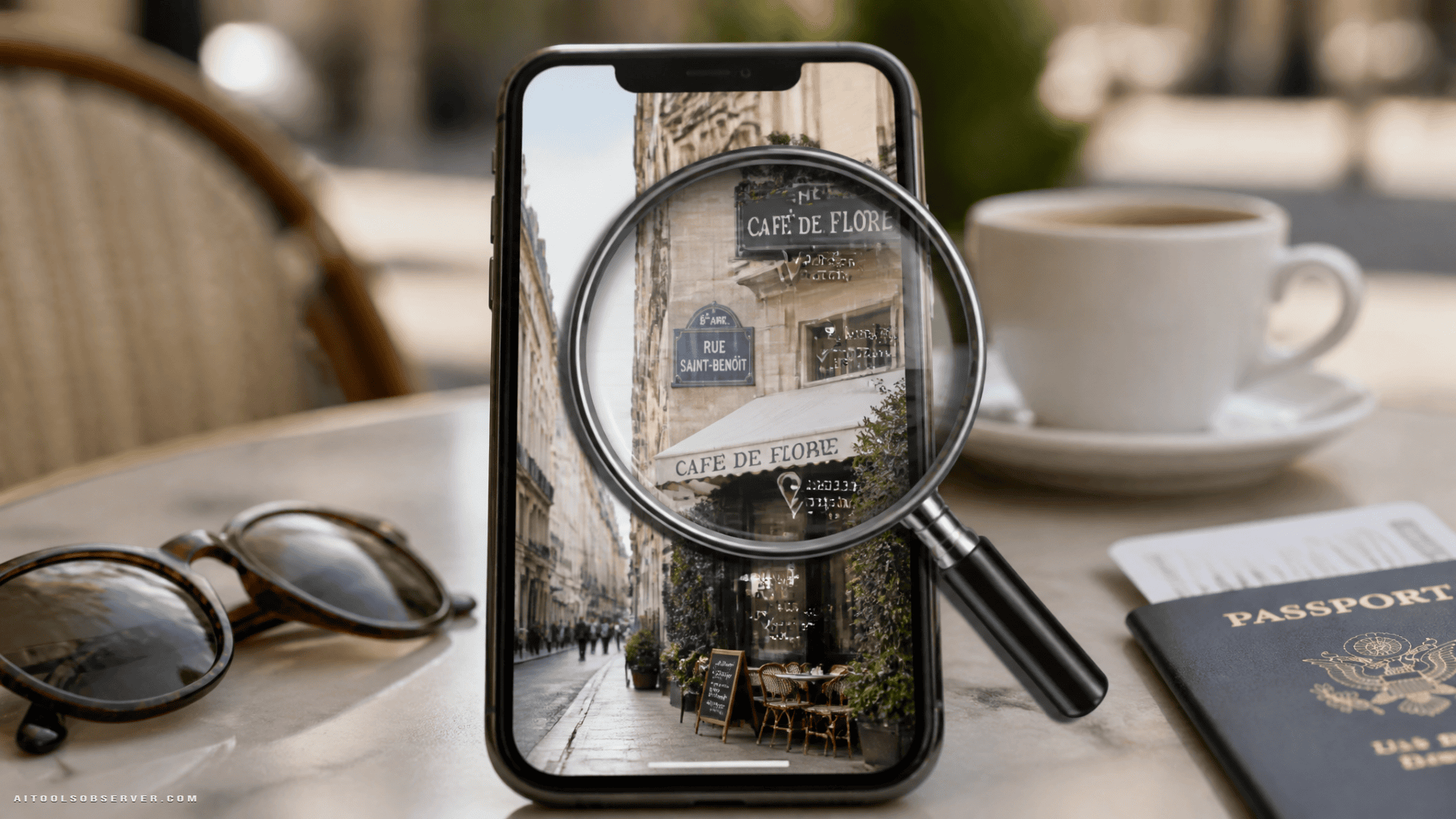
Step 1: Location inference. AI models scan publicly posted images for visual clues—text on storefronts, regional vegetation, local signage—and triangulate a probable location. According to McAfee’s testing on 20,000 images, roughly 91% contained at least one identifiable location clue.
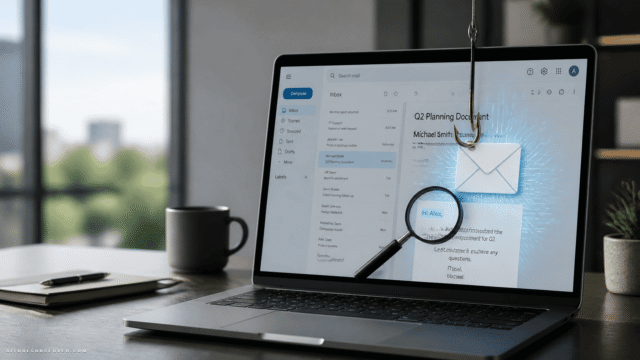
Step 2: Targeted phishing. Once a scammer has a plausible location, they craft a message that feels eerily specific. Think: a fake airline alert about an unpaid fee, a hotel “security notice,” or a government official warning you about an exit tax you never owed.
Step 3: Fear and urgency. The message creates pressure. Pay $50 now or face Interpol. Resolve the charge before your flight. The specificity—knowing you’re in Thailand, or France, or Mexico—makes the lie feel credible.
The Voice Clone Twist
Location inference is just one layer. Scammers can also combine that information with AI-generated voice technology to contact your family back home.
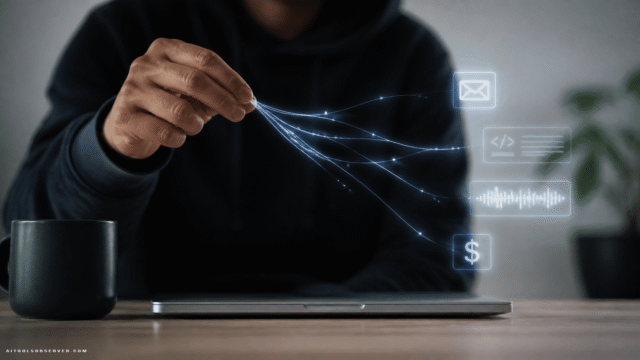
The scenario: they know you’re traveling, they’ve scraped enough audio from your social media, and they call your parents impersonating you—claiming you’re in trouble and need money wired immediately. It’s a classic emergency scam, upgraded with synthetic voice and real-time location context.
What Makes This Hard to Spot
Most people assume location leaks come from GPS metadata embedded in image files. That’s a known risk. This is different.
The threat here is visual inference—what the image shows, not what the file contains. You could strip all metadata and still post a photo that reveals exactly where you are. The AI doesn’t need coordinates. It just needs context.
What Travelers Can Do
A few practical moves that actually reduce exposure:
- Post after you’re home. The simplest fix. Delayed sharing removes the real-time targeting window entirely.
- Tighten your audience. Lock down who can see your posts. Public vacation albums are a gift to anyone running location inference at scale.
- Verify before you pay. Any message from an airline, hotel, or government body asking for urgent payment should be verified through official channels—not by replying to the message itself.
- Treat specificity as a red flag. A scam that knows your airline, your destination, and your travel dates isn’t more legitimate—it’s more dangerous. Specificity is the hook.
The Bigger Pattern
This isn’t really about vacation photos. It’s about what happens when AI lowers the cost of personalized deception.
Scams used to be generic because personalization was expensive. Now it’s cheap. The more context you post publicly—location, timing, travel companions, itinerary—the more material exists to build a convincing attack around you.
The useful mental shift: treat your public social media feed less like a diary and more like a broadcast. Because for AI-assisted scammers, that’s exactly what it is.








Comments (0) No comments yet
Want to join this discussion? Login or Register.
No comments yet. Be the first to share your thoughts!