


What Amazon Actually Announced

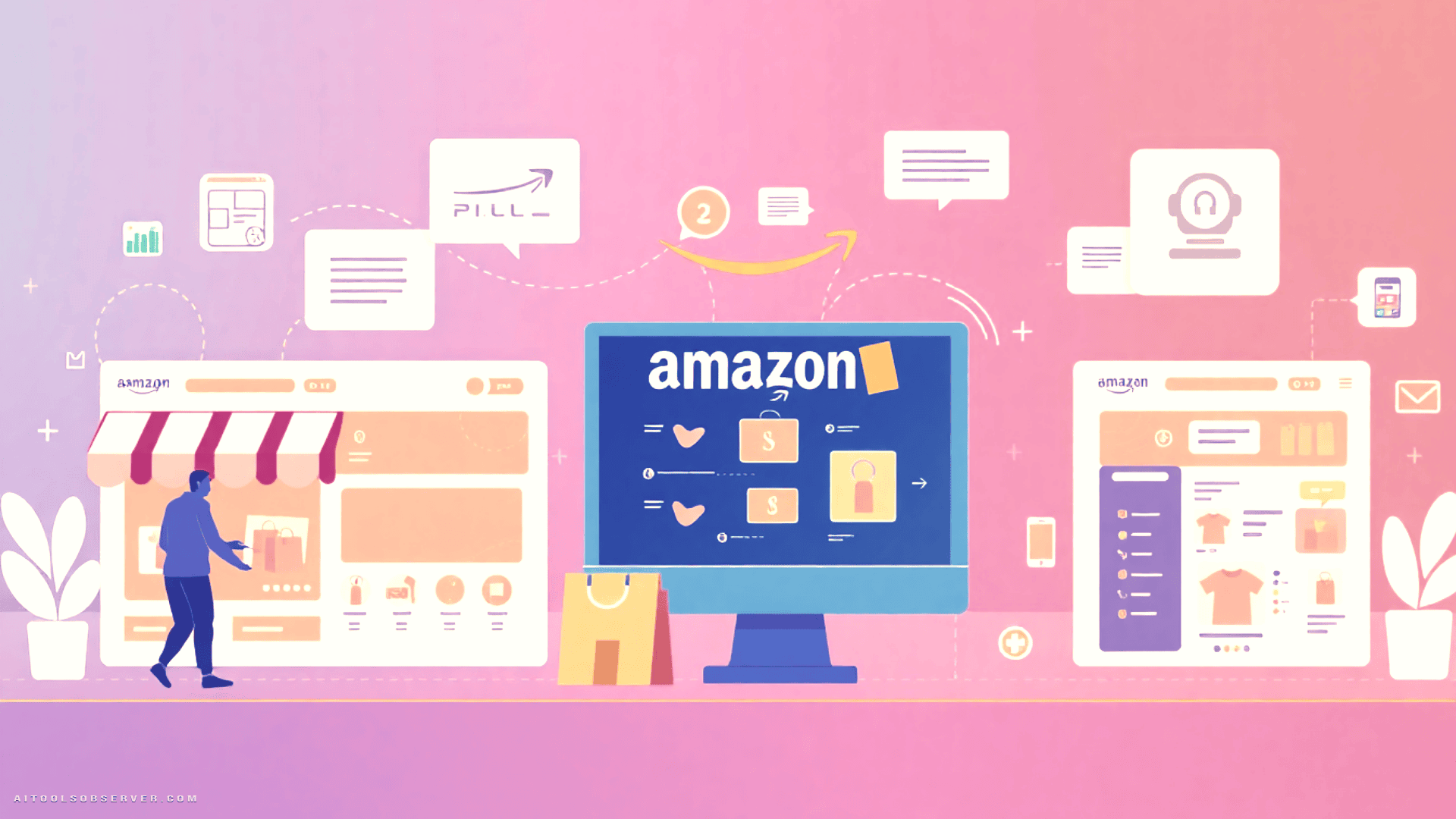
On Wednesday, May 27, Amazon published a blog post confirming it’s packaging the “architecture, starter code and learnings” from Alexa for Shopping into a licensable service for the broader retail industry.
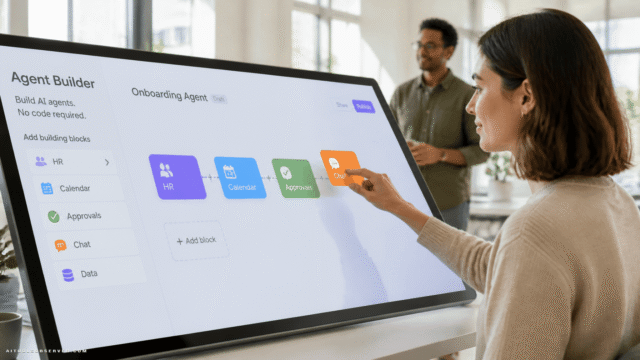
Retailers can use this offering to launch their own AI shopping tools — customized to their storefront, product catalog, and brand identity — in as little as 60 days. The service is being offered through AWS, which gives it a degree of separation from Amazon’s own retail operation.
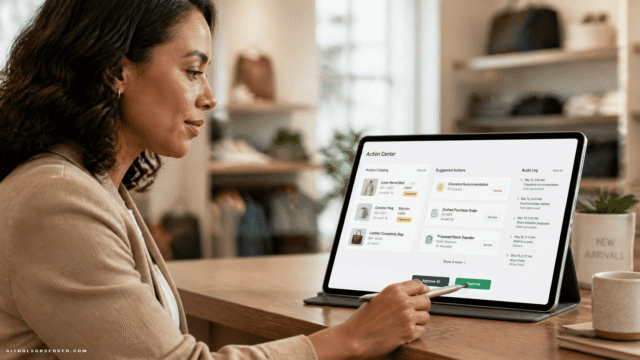
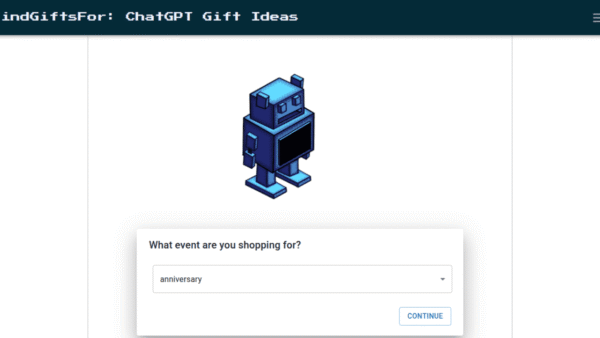
Kate Spade, owned by Tapestry, is already live as a customer. The luxury fashion brand used the technology to build a gifting assistant. More retailers are reportedly in testing.
The AWS Playbook, Round Two
This isn’t Amazon’s first time turning internal infrastructure into a revenue-generating service. AWS started as Amazon’s own cloud backbone before becoming the dominant cloud platform for the world — including Amazon’s direct competitors.
Amazon did the same with cashier-less checkout technology and its warehousing and supply chain services. The pattern is consistent: build something that works internally, then sell it to the market.
Alexa for Shopping follows that exact trajectory. Amazon rebranded its e-commerce chatbot from Rufus to Alexa for Shopping earlier this month and enabled it by default in search queries on its own store. Now it’s turning outward.
Why Retailers Should Pay Attention

The pitch Amazon is making to retailers is direct: own your AI shopping experience instead of handing it off to a third-party intermediary.
In its announcement, Amazon argued that retailers already hold deep vertical knowledge about their products, customers, and categories — knowledge that no general-purpose AI can replicate. That’s a pointed message aimed squarely at OpenAI, Google, and Perplexity, all of which have been rolling out their own shopping agents and research tools.
For retailers, the appeal is real. Building a custom AI shopping assistant from scratch is expensive and slow. A 60-day deployment window backed by Amazon’s proven technology is a compelling alternative.
The Competitive Landscape Is Getting Crowded

Amazon isn’t the only player chasing this opportunity. OpenAI, Google, and Perplexity have all launched shopping-focused AI tools, though each has faced friction — whether from technical bugs, retailer onboarding challenges, or consumer hesitation around letting bots complete purchases autonomously.
Major retailers like Walmart, Target, Etsy, Gap, and eBay have taken a hybrid approach: building proprietary tools while simultaneously partnering with OpenAI and Google. Salesforce has been pitching its own suite of chatbot and agent services to retailers.
Amazon’s strategy stands apart. It has deliberately avoided partnering with rival AI platforms and has walled off its own site from being scraped by external agents. At the same time, it built a feature called Buy for Me that lets Amazon’s AI complete purchases on other retailers’ websites — a move that signals Amazon wants to be present across the entire shopping web, not just its own storefront.
What This Means for the AI Tools Ecosystem

For anyone tracking the AI tools space, this move matters on multiple levels.
It validates conversational commerce as a serious category. Amazon doesn’t make infrastructure bets lightly. Licensing Alexa for Shopping signals that AI-powered shopping assistants are moving from experimental to essential.
AWS becomes a new distribution channel for retail AI. Retailers already running on AWS infrastructure now have a natural path to deploying AI shopping tools without switching vendors or integrating unfamiliar platforms.
It raises the competitive bar for independent AI shopping tools. Startups and SaaS players building ecommerce chatbots or shopping agents now have to compete with Amazon’s institutional knowledge, data depth, and distribution reach.
It fragments the market further. Rather than consolidating around one or two dominant AI shopping platforms, the industry is heading toward a world where every major retailer has its own branded AI assistant — all potentially powered by different underlying technologies.
The Bigger Picture

Amazon’s licensing move is less about Alexa and more about infrastructure dominance. The company is betting that the future of AI shopping won’t be won by whoever builds the best general-purpose agent — it’ll be won by whoever powers the most storefronts.
That’s a fundamentally different strategy than what OpenAI or Google are pursuing. And historically, when Amazon bets on becoming the backbone of an industry, it’s a bet worth taking seriously.
For retailers evaluating AI tools right now, the question isn’t just “which AI shopping assistant should we use?” It’s “who do we want owning the relationship with our customers?” Amazon just made its answer very clear — and it’s offering to help you own yours, as long as you’re building on their stack.










Comments (0) No comments yet
Want to join this discussion? Login or Register.
No comments yet. Be the first to share your thoughts!