


The Problem: Copy-Paste Is Not a Workflow

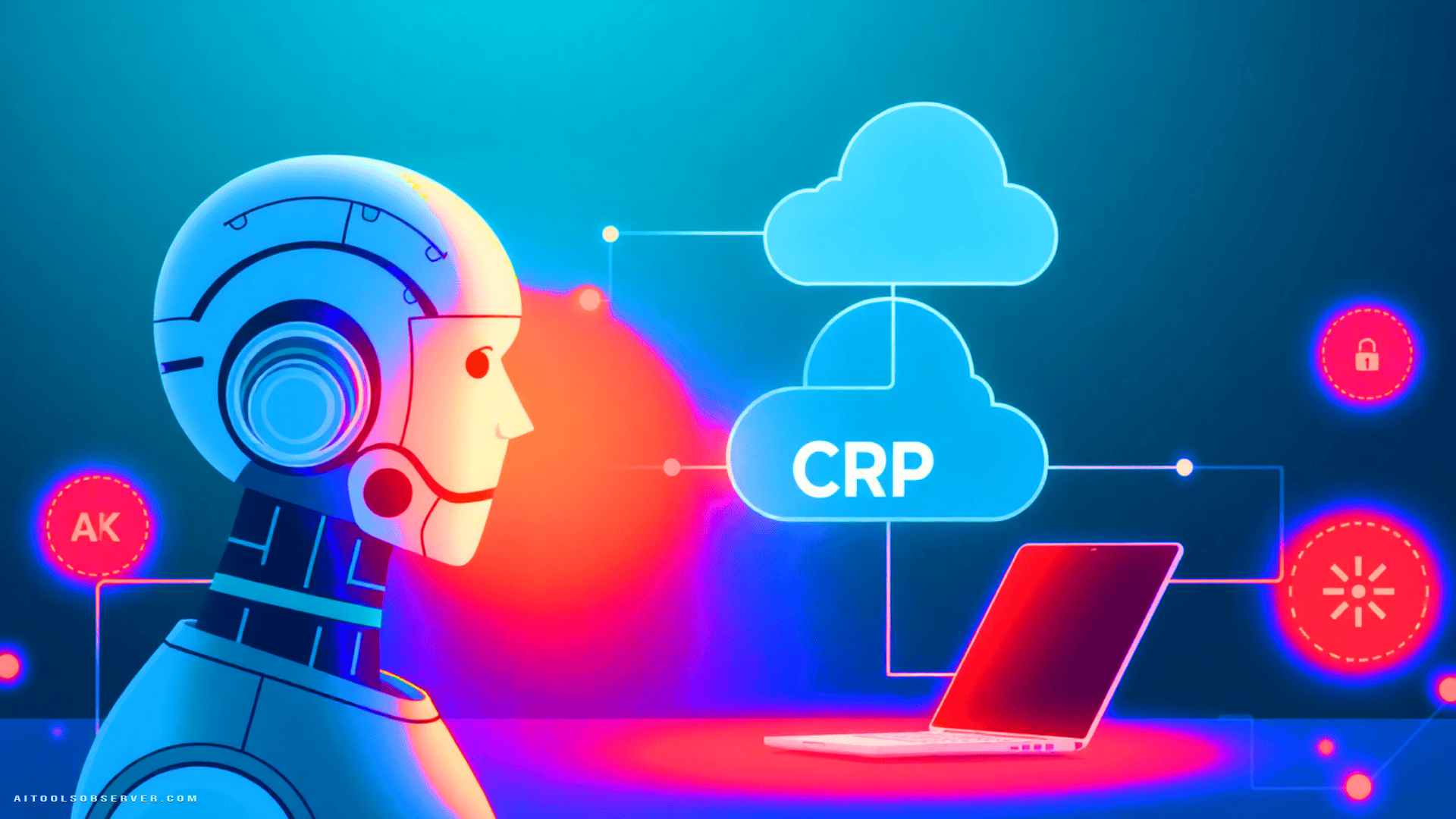
The UK Department for Business and Trade runs DBT Assist, an internal AI tool used by staff across the department. Investment advisers at the Office for Investment needed it to surface company interaction records from Data Hub — DBT’s CRM system.
The old process? Manual search. Copy. Paste. Repeat. Then feed that extracted data into DBT Assist alongside whatever else the adviser was working with.
It worked, technically. It was also slow, error-prone, and quietly exhausting for anyone doing it ten times a day.
The obvious fix — just give DBT Assist direct access to Data Hub — wasn’t straightforward. The CRM holds sensitive government data at scale. You can’t just wire an AI tool into that and hope for the best.
The Solution: An MCP Server That Speaks Both Languages

DBT’s engineering team reached for Model Context Protocol, an open standard designed to act as a communication bridge between AI applications and external systems.
Think of MCP as a structured translator. The AI asks a question in natural language. The MCP server converts that into a controlled, authenticated query against the live data source. The answer comes back with citations. Nobody had to copy anything.
The architecture here is deliberate:
- The MCP server uses the same Single Sign-On authentication already in place for DBT Assist — no new credential systems to manage
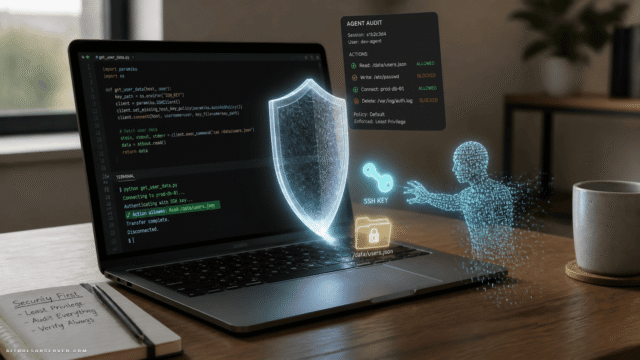
- It runs inside a Virtual Private Cloud with zero external access points
- It queries Data Hub in real time, so advisers get current records, not stale exports
Security didn’t get loosened to make this work. It got extended.
What Advisers Actually Get Now

Investment advisers can now ask plain-English questions about prior company interactions and receive real-time answers — with links back to the original Data Hub records.
That last part matters more than it might seem. Citations aren’t just nice to have. They let users verify the answer, trace the source, and maintain confidence in what the AI is telling them. In a government context, that’s not a UX flourish — it’s a trust mechanism.
The result: less manual work, faster access to accurate information, and advisers who can actually focus on the analysis rather than the retrieval.
The Bigger Play: One Server, Many AI Tools

Here’s where this gets interesting beyond the immediate use case.
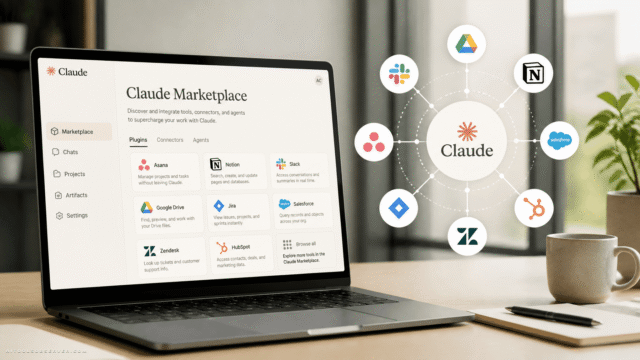
DBT built the MCP server to be reusable. Any future AI application across the department can connect to Data Hub through the same bridge, inheriting the same authentication controls and security boundaries without rebuilding them from scratch.
That’s not just efficient engineering. It’s a blueprint for scaling AI adoption inside a large organisation without creating a sprawling mess of one-off integrations, duplicated security reviews, and inconsistent access patterns.
Build the bridge once. Let multiple tools cross it.
What the DBT Team Says They Learned
The department was candid about what made this work — and what comes next.
Three things stood out from their own reflection:
Build on existing security, don’t replace it. Using SSO as the authentication layer meant the MCP server inherited proven controls rather than introducing new attack surfaces.
Involve real users early. Investment advisers shaped what the integration actually needed to do. That’s why it solved a real problem instead of an assumed one.
Deployment is the beginning, not the end. DBT is already working on handling more complex queries and implementing more granular permission controls. The first version was a foundation, not a finish line.
Why This Pattern Matters Beyond Whitehall

Government AI projects often get dismissed as slow, overcautious, or irrelevant to how the private sector moves. This one deserves a second look.
The MCP-as-secure-bridge pattern is directly applicable to any organisation sitting on sensitive CRM or operational data that wants to give AI tools meaningful access without opening the blast radius. Financial services, healthcare, legal — the architecture translates.
The specific lesson: the constraint isn’t the AI capability, it’s the integration layer. Get that right, and the AI tool becomes genuinely useful. Get it wrong, and you’re back to copy-paste with extra steps.
DBT Assist didn’t become smarter. It became connected — and that turned out to be the more important upgrade.








Comments (0) No comments yet
Want to join this discussion? Login or Register.
No comments yet. Be the first to share your thoughts!