


What changed
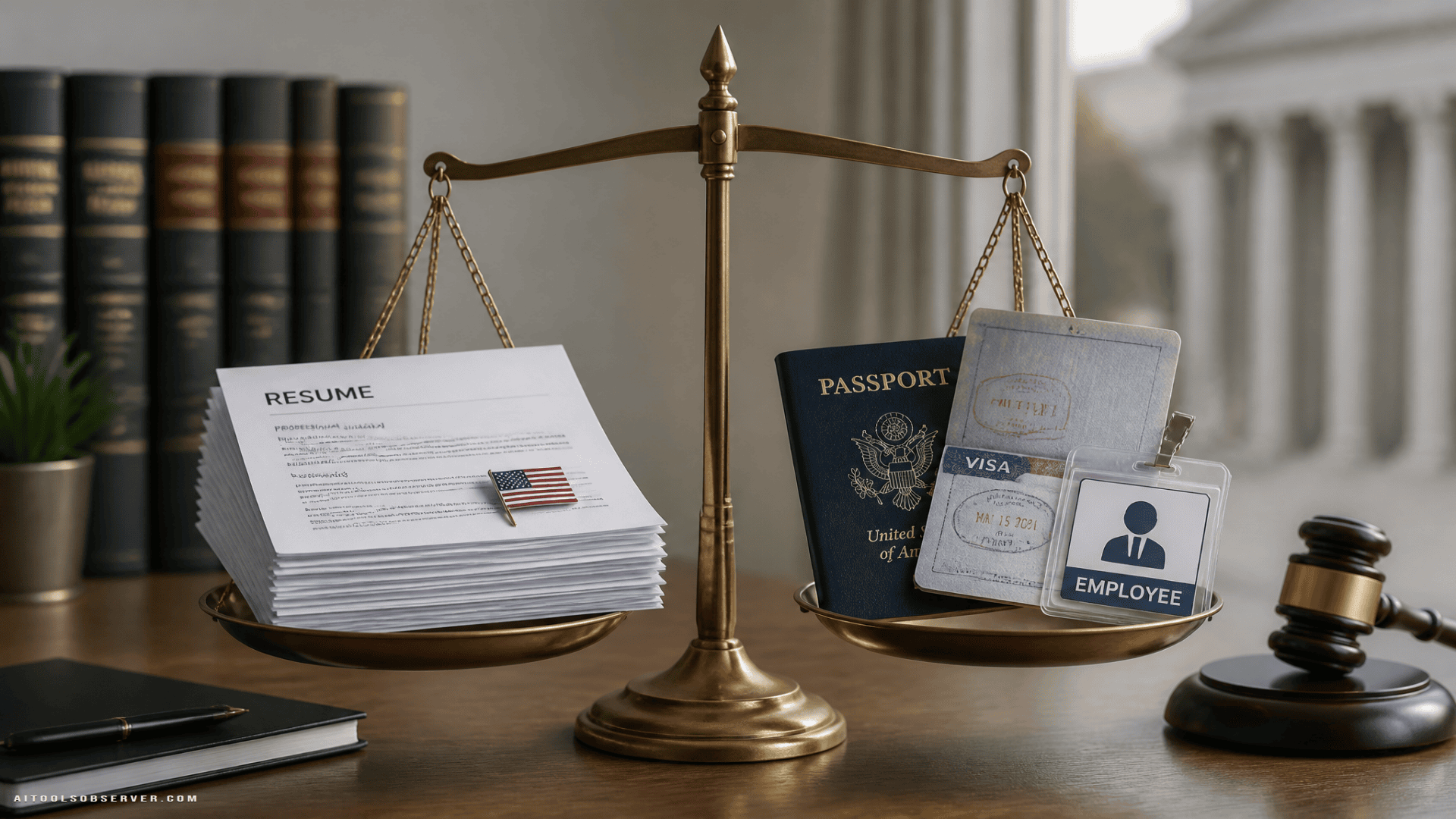
The DOJ said it found reasonable cause to believe the companies made it harder for US workers to apply for certain roles while favoring temporary visa holders in the process.
According to the available context, the settlement requires payment and changes to recruitment practices. The DOJ framed the case as a reminder that employers cannot legally prefer temporary visa holders over qualified US workers.
OpenAI said it disagreed with the DOJ’s findings but chose to settle so it could move forward with a program supporting employees and candidates who require immigration support.
Why this matters beyond one company
Tech hiring often lives in a legal gray fog until it doesn’t. This case pulls a usually back-office issue into plain view: how companies structure hiring when immigration sponsorship and permanent residency processes are involved.
That matters because the AI industry competes aggressively for talent, and the pressure to hire fast can collide with labor compliance. When that happens, the process becomes the product, at least for regulators.
The PERM angle, in plain English
The PERM program is tied to employment-based immigration. In practice, it involves recruitment steps meant to test the labor market before certain sponsorship paths move forward.
That does not mean companies cannot support international talent. It does mean they have to do it within rules designed to give US workers a fair shot.
The practical tension is easy to see:
- companies want to retain highly skilled global talent
- regulators want hiring access to be fair and lawful
- candidates want a process that is clear, real, and not quietly pre-decided
When those three things drift apart, lawyers suddenly get very busy.
Why AI watchers should care
If you track AI companies mostly through launches, benchmarks, and funding headlines, this kind of story is easy to skip. That would be a mistake.
Hiring compliance affects:
- employer reputation
- recruiting operations
- immigration workflows
- legal exposure
- internal HR tooling and documentation
For AI companies, it also affects a bigger narrative: whether they can scale responsibly while under intense public scrutiny.
A signal for the wider market
This settlement is also a signal to other tech employers. The message is not “stop sponsoring talent from abroad.” It’s “if your hiring process appears to sideline US workers, expect scrutiny.”
That distinction matters. Global hiring is normal. Preferential treatment that crosses legal lines is the problem regulators are targeting.
In other words: hire globally, document carefully, and don’t build a recruiting funnel that looks fair only from far away.
What founders and hiring teams should take from it
If you run an AI startup or evaluate one, this is a useful checklist moment.
For founders and operators
Ask a few unglamorous questions:
- Are job application paths equally accessible to US workers?
- Are recruitment steps documented and consistent?
- Do legal, HR, and hiring managers interpret sponsorship-related rules the same way?
- Are urgency and talent scarcity quietly distorting hiring decisions?
None of these questions are exciting. They are, however, cheaper than a DOJ settlement.
For job seekers and market observers
This story is a reminder that hiring quality is not just about who gets offers. It’s also about who gets a fair chance to apply in the first place.
For people comparing AI employers, recruiting process maturity is becoming a real signal, not just a compliance footnote.
The useful takeaway
AI companies are being judged on more than what they build. They’re also being judged on how they hire, document, and operate under pressure.
If you’re choosing which companies to trust, join, or benchmark, don’t just watch product velocity. Watch process discipline too. That’s often where the quieter risks show up first.














Comments (0) No comments yet
Want to join this discussion? Login or Register.
No comments yet. Be the first to share your thoughts!