



What Actually Changed
Both Anthropic and OpenAI had been running their own gated access programs for frontier models. Anthropic’s Project Glasswing controlled access to its most capable cybersecurity model, Claude Mythos. OpenAI ran a similar consortium called Daybreak for its own cybersecurity-focused releases.
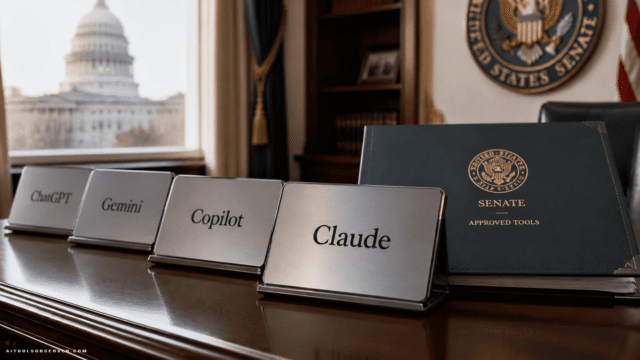
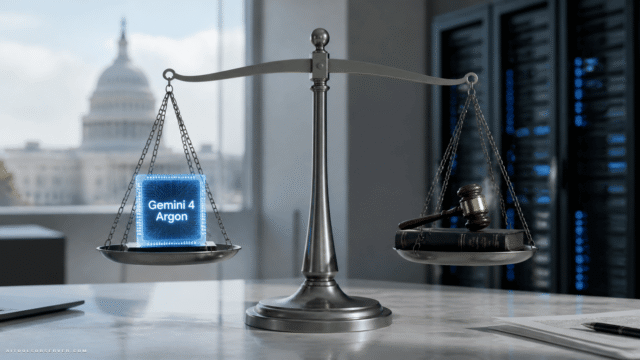
The Trump administration has now launched “Gold Eagle,” a White House-led clearinghouse that would put the government in charge of approving which companies and entities can access new frontier models. According to sources familiar with the matter, future rollouts will require explicit government sign-off on partner access.
The White House’s official position is more measured — a spokesperson told CNBC that decisions on timing and scope of releases “rest entirely with the companies” and that any government engagement is voluntary. But the recent blocking of Claude Mythos 5 and Fable 5 over national security concerns — later reinstated after weeks of negotiations — suggests the practical reality is more complicated.
Why This Matters Beyond the Headlines
This isn’t just a policy story. It has direct implications for how AI tools reach the market.
- Enterprise access could slow down. If government approval becomes a prerequisite for partner access, the pipeline from lab to customer gets a new bottleneck.
- Cybersecurity programs are in limbo. The future of company-led initiatives like Project Glasswing and Daybreak is now uncertain.
- The competitive pressure is real. Chinese startup Moonshot AI’s Kimi K3 model reportedly matched — and in some benchmarks outperformed — GPT-5.6 and Fable 5. That’s the backdrop against which the U.S. is adding friction to its own release process.
Former White House AI czar David Sacks flagged the Kimi K3 performance as “concerning,” warning that regulatory drag could cost the U.S. its lead.
The Tension at the Core
The administration is trying to thread a needle: treat frontier AI as a national security asset worth controlling, while not strangling the innovation that makes those assets worth protecting in the first place.
That’s a genuinely hard problem. Sophisticated AI models do carry real cybersecurity risks. But gating access through a government clearinghouse introduces coordination costs, political variables, and approval timelines that private labs weren’t designed to navigate.
OpenAI has already said it will limit new models to “trusted partners” to comply with government requests — a sign that the labs are adapting, whether they want to or not.
What to Watch
The Gold Eagle clearinghouse is new enough that its real-world mechanics aren’t fully public yet. What’s worth tracking:
- Whether Project Glasswing and Daybreak survive in any meaningful form
- How enterprise customers experience delays (or don’t) in accessing new model releases
- Whether the voluntary framing holds, or whether formal approval requirements become standard
For anyone building on or evaluating frontier AI tools right now, the practical takeaway is straightforward: the access layer just became a policy layer. That’s a new variable in your AI tool decisions — and it’s worth factoring in.










Comments (0) No comments yet
Want to join this discussion? Login or Register.
No comments yet. Be the first to share your thoughts!