


What Actually Happened
MLB’s dugout iPads were originally introduced as a pilot in 2015 and expanded in 2016 under a deal with Apple. The intended use was straightforward — video review and access to league-provided data.
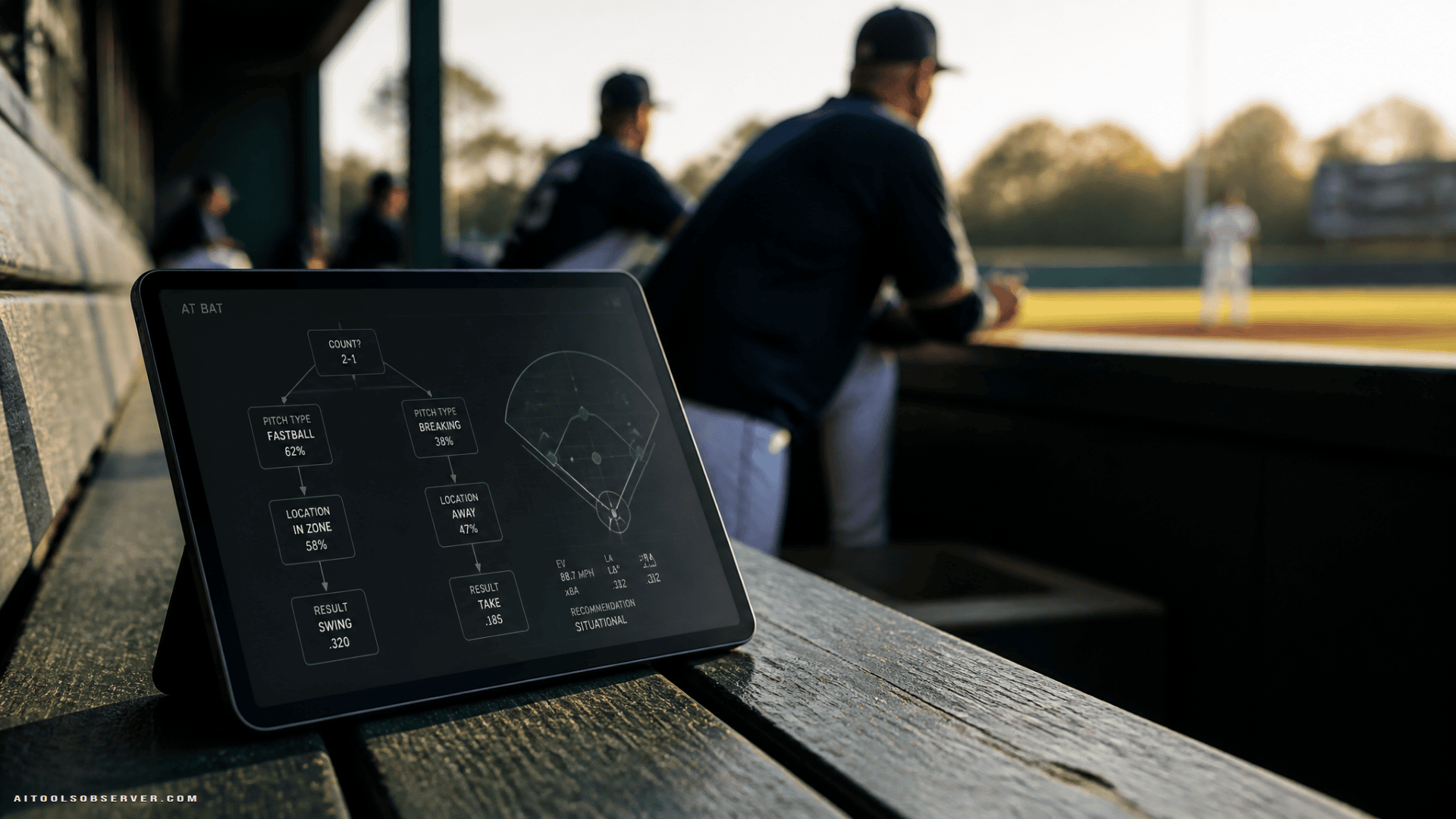
But teams found a workaround. The iPads included a custom tab where clubs could load their own software. Some used it to run tools that generated recommendations on substitutions, pitch calling, and other in-game decisions — the kind of calls traditionally left to managers and coaches reading the moment.
MLB executive vice president of baseball operations Morgan Sword addressed this directly in a June memo to general managers, writing that the custom tab had “expanded the use of the dugout iPads beyond their originally intended purpose.”
The league’s competition committee reviewed usage and found clubs had technically stayed within existing regulations. But MLB moved to close the gap anyway.
Why It Matters Beyond Baseball
This isn’t just a sports story. It’s a preview of a tension that’s showing up across industries: AI tools get embedded into workflows, they quietly expand what’s possible, and then someone in charge notices the original guardrails no longer apply.
In baseball’s case, the concern is competitive integrity — the idea that in-game strategy should reflect human judgment, not algorithmic output. But the same dynamic plays out in hiring, legal review, financial advising, and anywhere else AI recommendations are slipping into decisions that were assumed to be human-led.
A few things worth noting here:
- The tools were compliant. Teams weren’t cheating by the existing rules. The rules just hadn’t caught up.
- The response was measured. MLB gave teams lead time to adjust rather than issuing an immediate ban, which suggests the league understood this was a gray area, not a clear violation.
- The line being drawn is about decision-making authority, not data access. Teams can still use video and league stats. The restriction targets AI that recommends what to do next.
The Broader AI Policy Pattern
What MLB is doing here mirrors what regulators and organizations are starting to do more broadly — not banning AI outright, but defining which decisions it’s allowed to influence and at what point in a workflow.
It’s a more nuanced position than “AI bad” or “AI everywhere.” It’s closer to: AI can inform, but certain calls stay human.
That’s a distinction worth watching as more industries start drawing similar lines.
The Takeaway
If you’re building or buying AI tools that touch decision-making workflows, the MLB situation is a useful case study. Tools that expand beyond their stated scope — even when users are technically compliant — tend to attract policy responses eventually.
The smarter play is to be explicit about what your AI is recommending versus deciding, and to build that distinction into how the tool is presented and used. Ambiguity in that boundary is exactly what got the custom tab shut down.









Comments (0) No comments yet
Want to join this discussion? Login or Register.
No comments yet. Be the first to share your thoughts!