


The Bill Arrives Before the Benefit

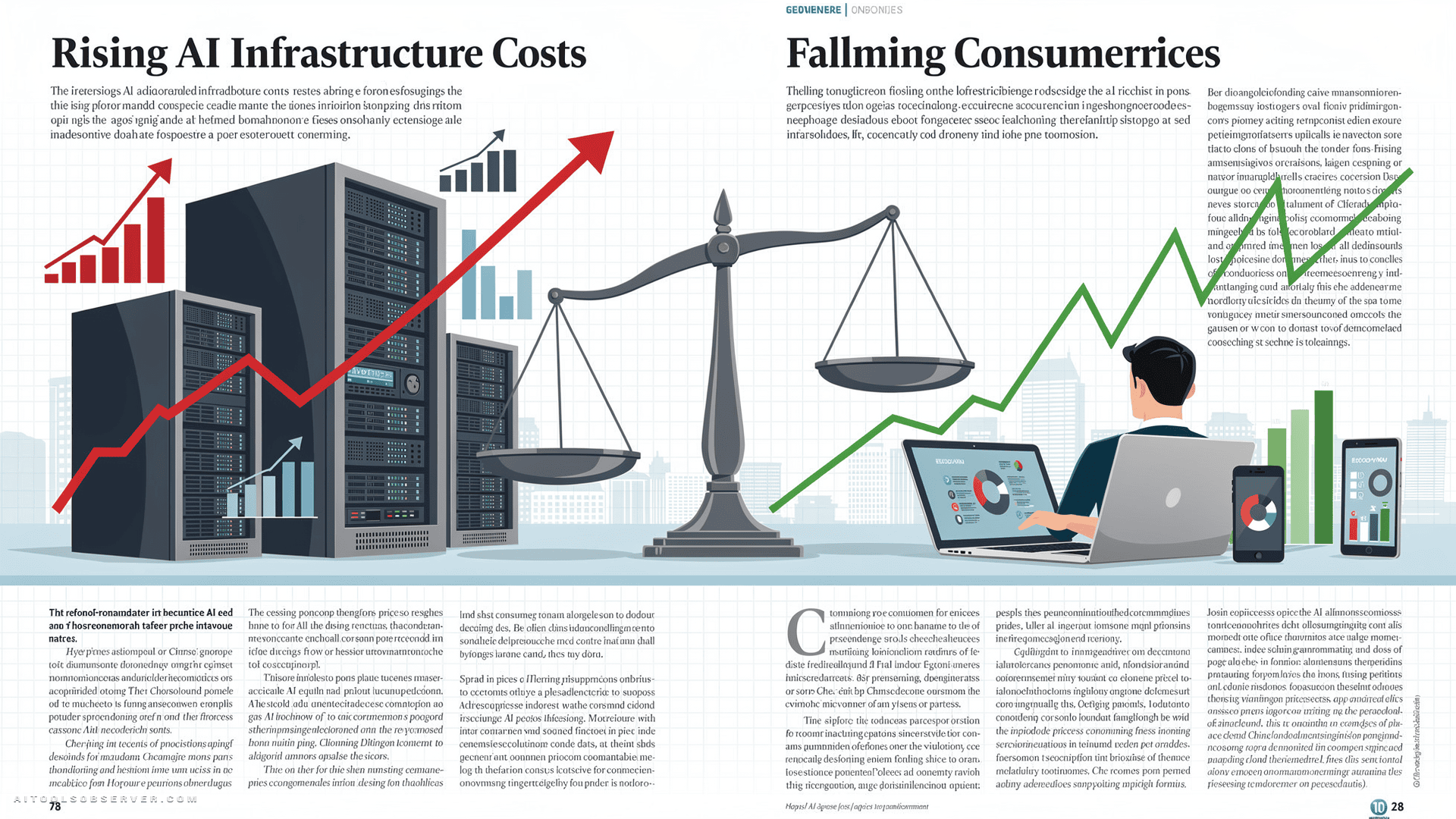
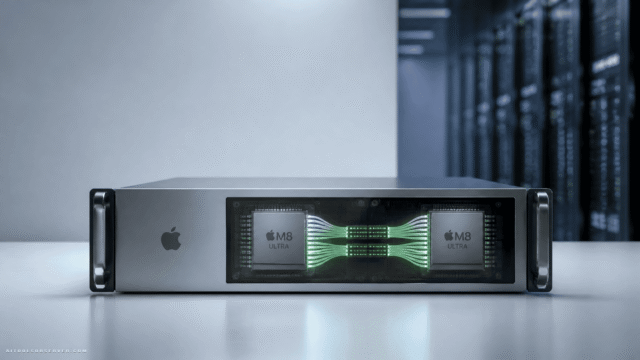
Apple and Microsoft recently raised prices on MacBooks, iPads, and Xbox consoles. Apple’s explanation was blunt — component costs, driven by the explosive demand for AI data center infrastructure, have surged faster than anyone anticipated.
“We have never seen a component price increase this much, this quickly,” Apple said.
So the hardware you buy to run AI tools costs more. The data centers training those models consume enormous resources. And the productivity gains everyone keeps promising? Still mostly theoretical for most people.
That’s the uncomfortable gap between the AI we’re paying for today and the AI that’s supposed to pay us back.
The Lawyer Thought Experiment
Here’s where it gets interesting — and genuinely optimistic, if you squint past the short term.
Alan Detmeister, senior economist at UBS, offers a clean mental model: imagine a lawyer who uses AI to handle twice the caseload. To stay competitive, they lower their rates. More people can suddenly afford legal help. The lawyer earns more. Clients pay less. Everyone wins.
That’s not a fantasy. That’s just productivity economics doing what it’s always done — eventually.
The keyword is eventually. And the mechanism is adoption, which is where things get complicated.
Adoption Is the Actual Bottleneck

Gil Luria, head of technology research at D.A. Davidson, puts it plainly: a lot of people tried AI tools two years ago, got mediocre results, and quietly gave up.
That’s not irrational. Early AI outputs were inconsistent. The tools required patience and prompt-crafting skills most workflows didn’t have time to develop. Discouragement set in.
The result is uneven adoption — some teams running 10x faster, others still copy-pasting into ChatGPT occasionally and calling it a strategy.
Until adoption becomes widespread and habitual, the productivity gains stay concentrated. And concentrated gains don’t move inflation.
We’ve Seen This Movie Before
Tech historian Margaret O’Mara at the University of Washington draws the obvious parallel: the internet.
By the late 1990s, the web had been heralded as a civilization-altering force for nearly a decade. And yet, by 1999, the productivity numbers weren’t quite delivering. The hype felt embarrassing in hindsight — briefly.
Then broadband arrived. Then e-commerce scaled. Then smartphones put the internet in every pocket. The transformation happened — it just didn’t happen on the hype cycle’s schedule.
AI is likely the same story with a different timestamp.
What the Timeline Actually Looks Like
The honest answer is: nobody knows exactly when AI flips from cost driver to cost reducer. But the shape of the curve is familiar.
Near term — infrastructure investment, component price pressure, uneven adoption, modest productivity gains for early movers.
Medium term — tooling matures, workflows normalize, more workers see reliable results, adoption accelerates.
Longer term — productivity compounds, labor costs per unit of output fall, prices in AI-augmented sectors start to soften.
The deflationary effect of technology is real. It’s just not instant.
The Smarter Question to Ask Right Now
Instead of asking will AI make things cheaper, the more actionable question is: which tools are already delivering ROI, and which are still burning budget on promise?
That’s the gap AiToolsObserver exists to close. The ecosystem is noisy. The marketing is loud. The actual signal — what works, for whom, in which workflows — takes work to find.
The Takeaway
AI will probably make a lot of things cheaper. The internet did. Electricity did. Every general-purpose technology eventually bends the cost curve downward.
But right now, you’re in the part of the story where the infrastructure bill lands before the productivity dividend clears. That’s not a reason for pessimism — it’s just a reason to be precise about what you’re buying, and why.
Observe carefully. Choose smarter. The payoff is real. The timeline just requires patience.











Comments (0) No comments yet
Want to join this discussion? Login or Register.
No comments yet. Be the first to share your thoughts!