


The Problem Isn’t the Tool. It’s the Assumption.
Most workplaces haven’t established clear norms around AI use. That gap creates a lot of awkward guesswork. One person’s “harmless time-saver” is another person’s “why does a bot know about my vacation?”
Research backs this up. People who use AI to handle interpersonal or emotionally loaded tasks are perceived more negatively by peers. Managers who lean heavily on AI for email writing come across as less authentic and less trustworthy. The tool doesn’t announce itself—but people often sense it anyway.
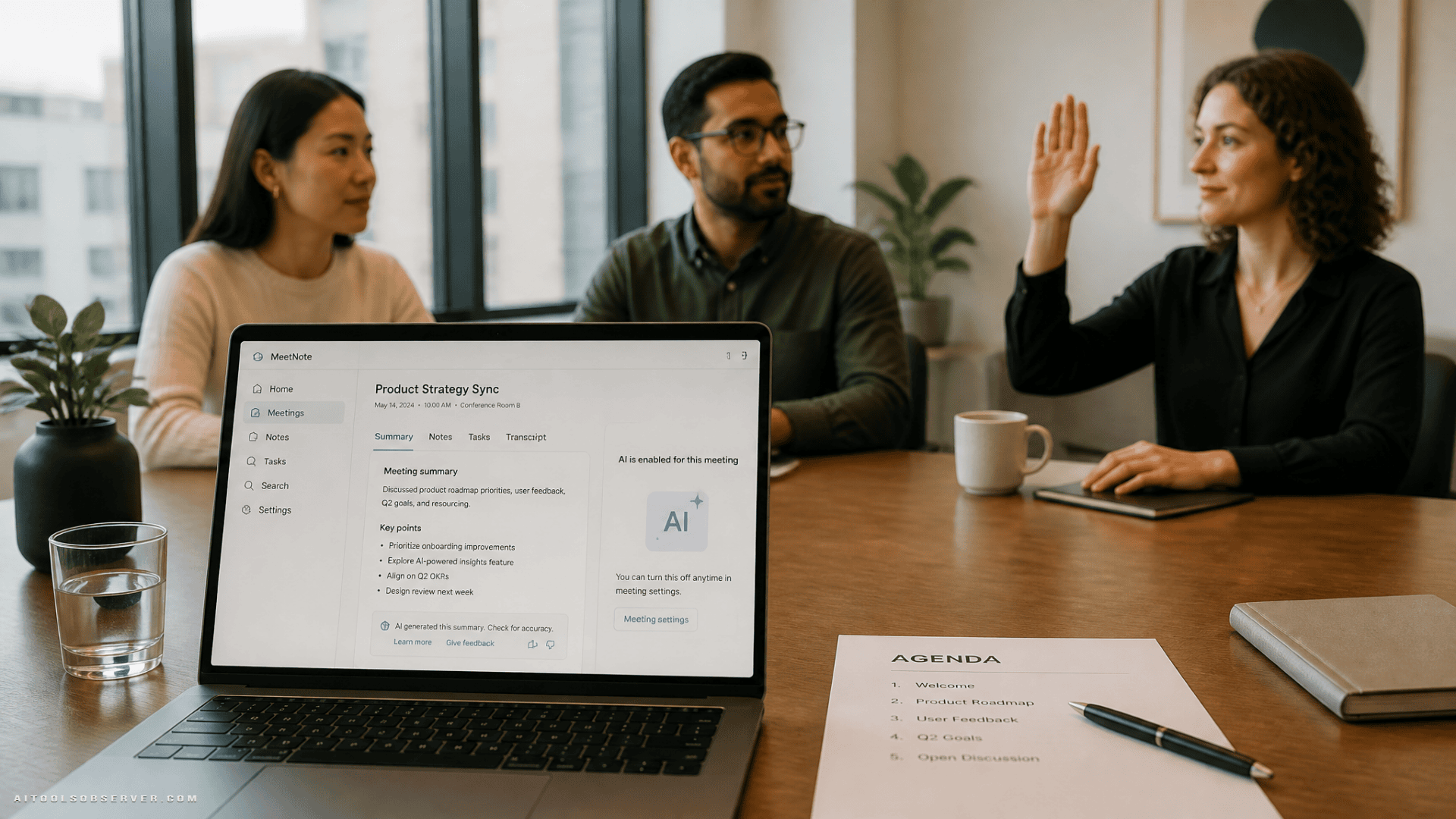
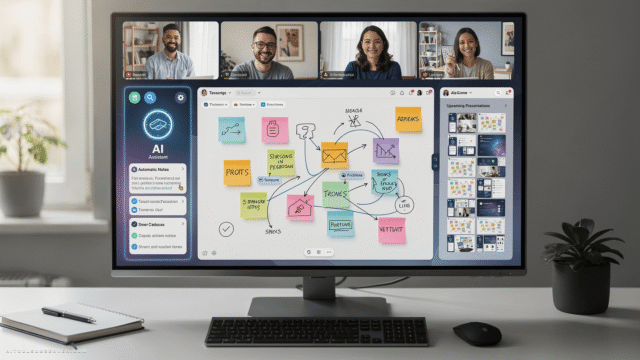
Meeting Notetakers: Ask First, Always
AI transcription has become genuinely useful. It also has a way of making people clam up.
Brainstorming sessions, casual check-ins, sensitive discussions—these tend to go worse when participants know they’re being recorded and summarized. The transcript doesn’t know the difference between a strategic insight and a throwaway comment about someone’s dog.
A simple fix: start with a human moment, then ask. Something like “Is everyone okay if I turn on the notetaker?” takes ten seconds and changes the entire dynamic. It signals respect, not surveillance.
A few situations where notetakers genuinely help:
- Long project syncs with lots of action items
- Calls where you need to stay fully present and can’t type
- Meetings with external stakeholders who’ve consented
A few where they tend to backfire:
- Sensitive 1:1s or performance conversations
- Informal team bonding or brainstorms
- Any call where trust is still being built
AI-Written Messages: Use With Care
There’s nothing inherently wrong with using ChatGPT to draft an email. The problem is when the output sounds like it came from a template—and the recipient notices.
The highest-risk messages to outsource entirely to AI are the ones that are supposed to carry emotional weight: apologies, feedback, expressions of gratitude, anything where sincerity is the point. If someone suspects an AI wrote your “I really appreciate your hard work on this” message, the message lands worse than silence.
The smarter approach: use AI to get unstuck, then rewrite in your own voice. Run it by a colleague if you’re unsure. The goal is to sound like you on a good day—not like a well-trained language model.
Citing AI in Conversations: A Specific Kind of Awkward
Opening a salary negotiation with “ChatGPT told me to ask for this” is a fast way to undermine your own credibility. Same goes for countering your manager’s advice with “but Claude said…”
It signals that you’ve outsourced your judgment—and it can feel dismissive to the person across the table who has actual context about your situation, your history, and your organization.
For high-stakes conversations, a trusted colleague beats an AI chatbot. They know the players, they know the culture, and they’ll tell you when you’re misreading the room. AI is programmed to be helpful. A good mentor is programmed to be honest.
The Useful Takeaway
AI tools are genuinely helpful for focus, efficiency, and getting unstuck. They’re genuinely harmful when they replace the parts of work that are supposed to be human: presence, sincerity, judgment, and trust.
The question to ask before deploying any AI tool at work isn’t “can I?” It’s “would the other person be okay with this if they knew?”
If the answer is uncertain, that’s your answer.







Comments (0) No comments yet
Want to join this discussion? Login or Register.
No comments yet. Be the first to share your thoughts!