What Is PleaseDontCode?
PleaseDontCode is an AI firmware builder designed for microcontrollers like ESP32, Arduino Nano, and other supported boards. You describe what your device should do, and the built-in Copilot AI generates production-ready firmware that can be flashed directly from your browser.
The platform includes an online dashboard for monitoring, debugging, and scaling fleets of devices, plus secure over-the-air (OTA) updates via its POTA module. It targets startups, hardware founders, embedded developers, and electronics companies that need to move from idea to working prototype in minutes instead of months.
Templates, project examples, and tutorials help both beginners and professionals quickly build, test, and iterate on embedded hardware projects while reducing the need to manage complex toolchains or write low-level code.
Quick Snapshot
PleaseDontCode lets you describe your IoT project in natural language and instantly turns it into production-ready firmware for popular microcontroller boards. It cuts embedded development time from months to minutes while giving you a web dashboard to deploy, monitor, and update entire fleets of devices.
- Works on
-
- Web
- API
- Other
- Pricing Model
- Subscription
Starting at €7.5/month — PleaseDontCode offers a free tier with 3 credits per month for one device, and paid subscriptions starting at €7.5/month with more credits, multiple devices, private projects, Copilot AI access, and OTA updates. Higher tiers increase the number of included credits and supported IoT devices. - Fits on
- Affiliate Program
- We could not identify an affiliate program.
- API Availability
- PleaseDontCode has an API available.
- Key Features
-
- Generate production-ready firmware from plain language
- Flash and monitor IoT boards directly in the browser
- Scale devices with secure OTA firmware updates
- Audience
-
- startups
- hardware founders
- embedded developers
- IoT engineers
- electronics companies
- commercial hardware shops
- makers
- hobbyists
Screenshot

Key Features of PleaseDontCode
AI firmware generation
Converts natural-language descriptions of your IoT project into production-ready firmware for supported microcontroller boards using its Copilot AI.
Browser-based flashing
Flash generated firmware directly to ESP32, Arduino Nano, and other boards from your web browser, removing the need for complex local toolchains.
Online device dashboard
Monitor, debug, and manage connected devices through a central web dashboard designed for scaling and maintaining IoT fleets.
OTA firmware updates
Use the POTA module to push secure over-the-air firmware updates to deployed devices, keeping hardware up to date without physical access.
Templates and examples
Leverage ready-made templates, project examples, and tutorials to accelerate getting started for both beginners and experienced developers.
Multi-device support
Supports multiple IoT devices per account on paid plans, enabling management of prototypes, pilots, and production fleets from one platform.
Use Cases for PleaseDontCode
Rapid IoT prototyping
Turn plain-language ideas into running firmware on ESP32, Arduino Nano, and other boards in minutes, ideal for quickly validating new IoT concepts without a full firmware team.
Startup hardware MVPs
Early-stage startups can move from idea to demo-ready hardware fast, using AI-generated firmware and browser-based flashing instead of assembling complex embedded toolchains.
Fleet device management
Monitor, debug, and scale fleets of deployed devices from the online dashboard, using OTA updates to securely roll out new firmware versions via the POTA module.
Electronics shop services
Commercial electronics shops can deliver customized IoT solutions more efficiently by generating firmware from customer requirements and managing devices centrally.
Maker and hobby projects
Makers and hobbyists can build connected projects without learning low-level embedded code, leveraging templates, examples, and tutorials to get started quickly.
Frequently Asked Questions
What is PleaseDontCode and who is it for?
PleaseDontCode is an AI firmware builder for microcontrollers that turns natural-language descriptions into ready-to-flash firmware. It is designed for startups, hardware founders, embedded developers, IoT engineers, electronics companies, and makers who want to prototype and scale devices faster.
Which hardware boards does PleaseDontCode support?
PleaseDontCode supports microcontroller boards such as ESP32, Arduino Nano, and other compatible boards. Check the platform documentation for the most up-to-date list of supported devices.
Do I need embedded programming experience to use PleaseDontCode?
No, you do not need deep embedded programming experience. You describe what your device should do in plain language, and the Copilot AI generates the firmware, which you can then flash and manage from the browser.
Does PleaseDontCode support over-the-air (OTA) updates?
Yes, PleaseDontCode includes a POTA module that provides secure over-the-air (OTA) firmware updates, allowing you to remotely update and maintain your IoT devices.
Is there a free version of PleaseDontCode?
Yes, PleaseDontCode offers a free tier that includes 3 credits per month for one device so you can try the platform and build small projects before upgrading.
How is PleaseDontCode priced?
PleaseDontCode uses a subscription model with a free tier and paid plans starting at €7.5 per month. Paid plans add more monthly credits, support multiple IoT devices, private projects, Copilot AI access, and OTA updates.
Can I manage multiple IoT devices with PleaseDontCode?
Yes, paid subscription tiers allow you to manage multiple IoT devices and scale your projects, all from the centralized online dashboard.
Does PleaseDontCode offer an API?
Yes, PleaseDontCode provides an API, enabling integration of its capabilities into your existing workflows or systems.
PleaseDontCode · Our Verdict
PleaseDontCode meaningfully lowers the barrier to embedded development by shifting the hard work of firmware creation into an AI-driven workflow. Its combination of natural-language project descriptions, browser-based flashing, and OTA-enabled monitoring makes it especially compelling for teams that need to iterate on IoT hardware quickly without building a full embedded toolchain in-house.
PleaseDontCode ·
-
 One-Time
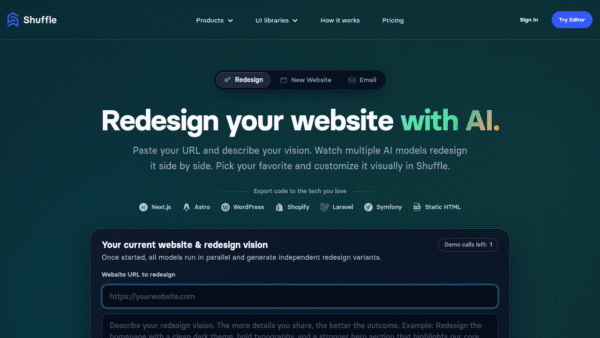
 AI Website Redesign by Shuffle
Redesign your website in minutes with multi‑AI power.
UI/UX & Web Design Tools - Subscription
Duet
Build one expert agent, serve every client
Agent Builders & Frameworks -
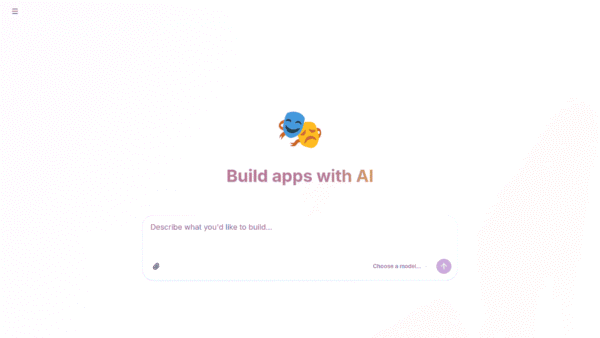
Shakespeare
Describe your idea and let AI build.
No-Code AI App Builders - Freemium
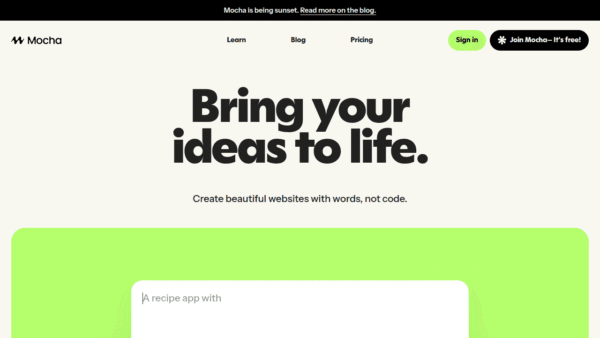
Mocha
AI-powered no‑code apps for ambitious builders
No-Code AI App Builders - Free
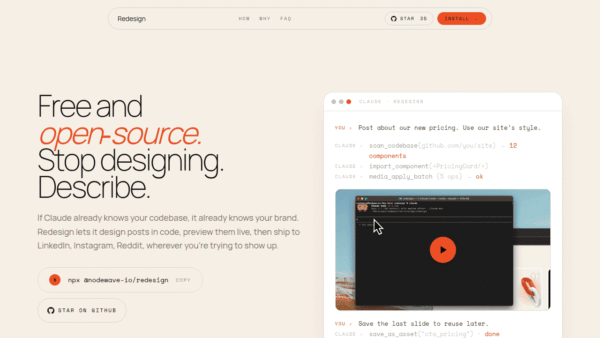
Redesign by Nodewave
Turn your codebase into on‑brand social posts
Social Media Content Creation - Your Ad Here
-
Keevo
Stop losing traffic to stale content with AI
SEO Writing & Optimization -
Cohere
Enterprise AI that’s private, secure, and controllable
AI Model Hosting & Deployment