


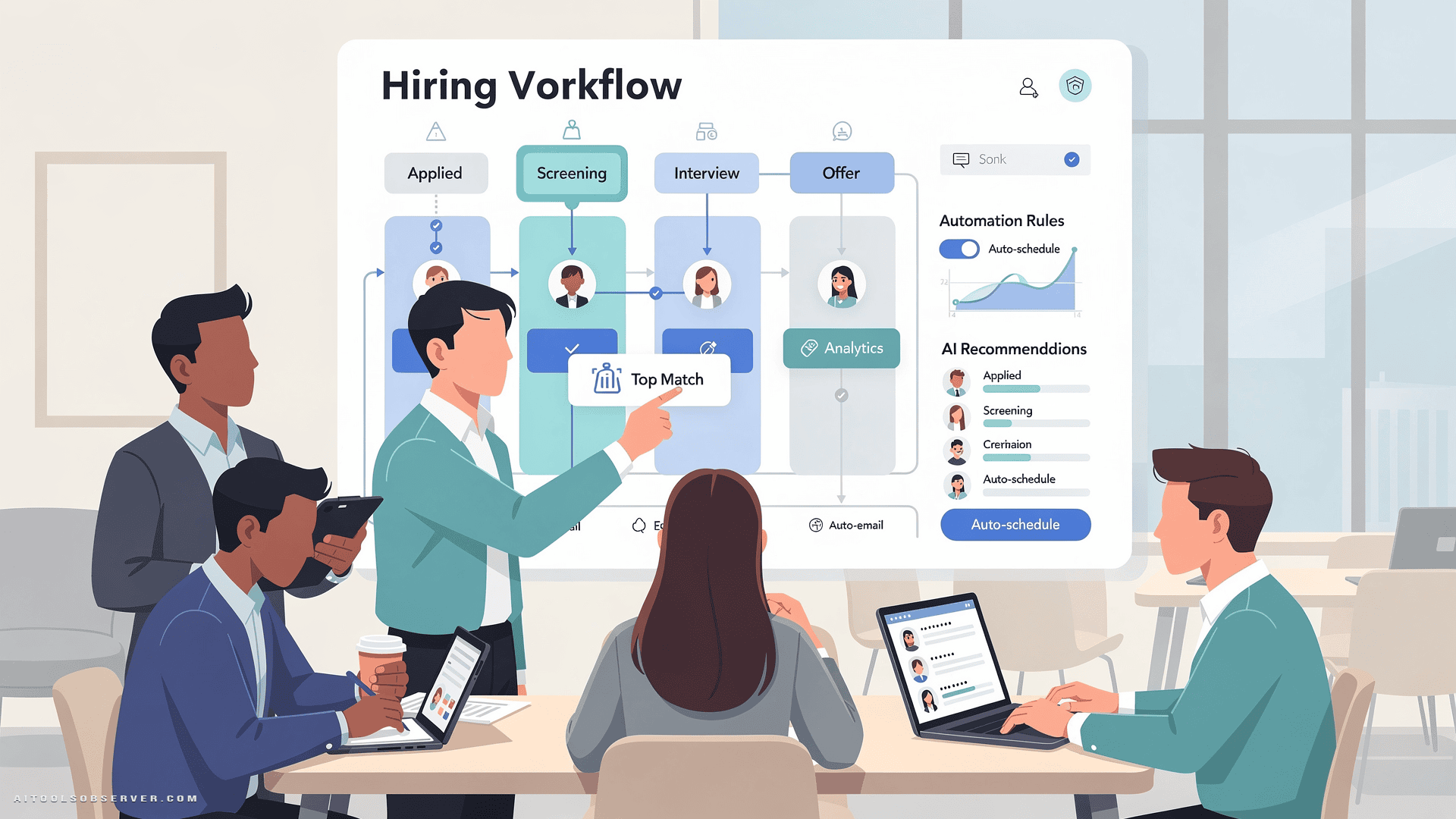
What’s Actually Changing in Talent Acquisition
Most people still think of AI in recruitment as a faster resume filter. That’s a surface-level view.
The deeper shift is structural. AI is changing how hiring decisions get made, how workflows are designed, and what the recruiter’s job actually is. Matching candidates to roles, scheduling interviews, and keeping applicants engaged — these can all run through automated pipelines without a human triggering each step.
That’s a fundamentally different operating model than what most HR teams were running three years ago.
From Passive Software to Digital Teammates

The term agentic AI is worth understanding precisely. These aren’t tools that wait for instructions. They act.
An agentic AI system can re-engage a candidate who went quiet, move a conversation forward, or flag a stalled pipeline — all without a recruiter manually intervening. Think of it less like software and more like a digital teammate that handles the coordination layer of hiring.
This matters because recruiter hours are finite. Every hour spent on scheduling follow-ups or chasing unresponsive candidates is an hour not spent on the work that actually requires human judgment.
Data-Driven Hiring: Where AI Intelligence Meets Human Judgment
Here’s the honest truth about AI analytics in hiring: humans can’t process candidate data at scale. AI can — and it surfaces patterns that human reviewers consistently miss.
As organizations move from resume-based role-matching toward competency-based hiring, AI makes that operational shift possible. It can analyze behavioral signals, skills alignment, and historical hiring data to generate predictive insights about candidate fit.
But there’s a hard limit here that every talent leader needs to internalize.
AI Provides the Insight. Humans Make the Call.
A hiring decision made entirely by AI is not a good hiring decision. The analytics are an input, not a verdict.
Human recruiters bring judgment, empathy, and compliance oversight to the table — capabilities that no AI model currently replicates with reliability. Candidates also have a legal and ethical right to know where AI is being used in their hiring process. That transparency responsibility sits with the recruiter, not the algorithm.
The strongest hiring outcomes in 2026 come from teams that treat AI as a high-quality signal generator and human recruiters as the decision-makers who act on those signals.
End-to-End Recruitment Automation: What It Looks Like in Practice

When AI is implemented well, the recruitment workflow looks something like this:
A job opens. AI tools pull data from the applicant tracking system, match candidate skills against role requirements, and surface a ranked shortlist. Interview scheduling runs in the background — matching candidate and interviewer availability without anyone sending a single calendar invite manually. Candidate communications stay active through automated touchpoints that keep applicants informed and engaged throughout the process.
Time-to-hire drops. Bottlenecks shrink. Recruiter capacity opens up for higher-value work.
That’s the upside. But implementation is where most organizations stumble.
What HR Leaders Must Do to Get This Right
Knowing AI can transform recruitment and actually making it work inside your organization are two different problems. Here’s the practical framework that separates successful adopters from teams that buy tools and never use them.
Start With a Pilot, Not a Platform Overhaul
Don’t try to automate everything at once. Find the specific point in your workflow where automation reduces repetitive work without touching decisions that need human context.
Candidate screening is the logical entry point. AI pulls from your ATS, matches skills to requirements, and delivers a shortlist. Interview scheduling automation is the next natural layer. These are high-volume, low-judgment tasks — exactly where AI delivers immediate ROI.
Build Governance Before You Scale
This step gets skipped constantly, and it’s the one that creates the most risk.
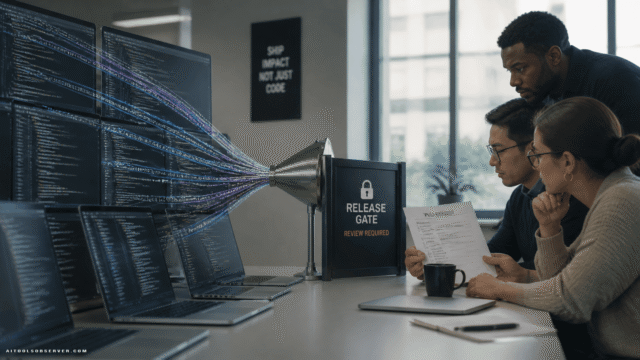
AI tools can reduce certain forms of human bias. They can also introduce new ones, depending on what data they were trained on. Before you expand AI across your hiring pipeline, you need bias audits and ethical AI practices in place. Governance isn’t a compliance checkbox — it’s what keeps your hiring system trustworthy at scale.
Invest in Recruiter Capability, Not Just Technology
AI investment without skill development creates adoption gaps. Your recruiting team needs to understand how to read AI analytics and apply them to real hiring decisions — otherwise the tools sit unused and the ROI never materializes.
This is a change management problem as much as a technology problem. Organizations that underinvest in training find that their AI tools become expensive shelf software.
The Tools Driving AI Recruitment Transformation
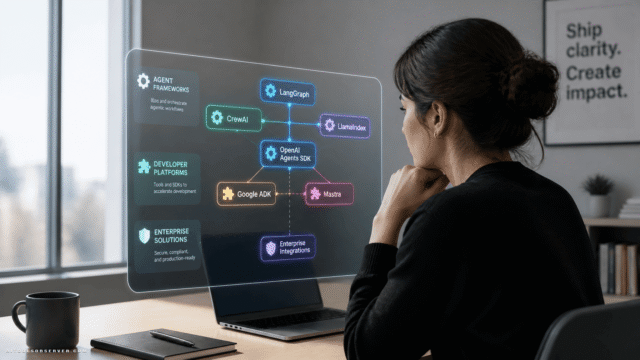
The AI recruitment Tools landscape in 2026 spans several categories worth knowing:
- AI candidate screening platforms — Tools that parse applications, score candidates against job criteria, and surface ranked shortlists from ATS data.
- Agentic engagement tools — Systems that autonomously re-engage candidates, send follow-ups, and keep applicants moving through the funnel without manual triggers.
- AI interview scheduling software — Calendar coordination tools that eliminate the back-and-forth entirely.
- Predictive analytics platforms — Tools that use historical hiring data to forecast candidate success and inform competency-based hiring decisions.
Each category solves a distinct bottleneck. The most effective implementations layer these tools into a connected workflow rather than deploying them in isolation.
The Recruiter’s Role Isn’t Disappearing — It’s Upgrading
There’s a persistent fear in HR circles that AI replaces recruiters. The evidence points in the opposite direction.
What AI eliminates is the process-operator version of the recruiter role — the one consumed by scheduling, chasing candidates, and manually sorting applications. What it creates space for is the strategic talent advisor version — the recruiter who uses AI-generated insights to make better decisions, build stronger candidate relationships, and align hiring strategy with business outcomes.
That’s not a downgrade. It’s a better use of the judgment that only humans can provide.
The Bottom Line
Organizations combining human strategy with AI analytics are making faster, better-calibrated hiring decisions than those still relying on recruiter instinct alone.
The technology is mature enough to deploy. The frameworks for doing it responsibly are clear. The only variable left is execution.
Start with a pilot. Build governance early. Develop your team’s capability to work with AI, not just alongside it. The recruiters and organizations that treat AI as a strategic layer — not a replacement for thinking — are the ones that will define what great hiring looks like in 2026 and beyond.








Comments (0) No comments yet
Want to join this discussion? Login or Register.
No comments yet. Be the first to share your thoughts!