



From Niche Exploit to Freemium SaaS (For Criminals)

Here’s the uncomfortable parallel. The cybercrime underground has built something that looks a lot like a modern software marketplace — complete with freemium tiers, automated distribution, tiered pricing, and Telegram bots acting as unmanned storefronts.
Cynthia Kaiser, SVP at Halcyon and former FBI deputy cyber, analyzed 4,000 forum entries, 77 Telegram channels, 20 dark web forums, and five specialized underground markets. What she found wasn’t chaos. It was a supply chain — specialized, efficient, and resilient by design.
Stolen ChatGPT accounts start at $0.10. The financial barrier to entry is, in her words, “virtually zero.”
The Four Product Categories of AI-Powered Crime
The tooling breaks down into four distinct categories, each targeting a different layer of the attack surface.
Weaponized LLMs

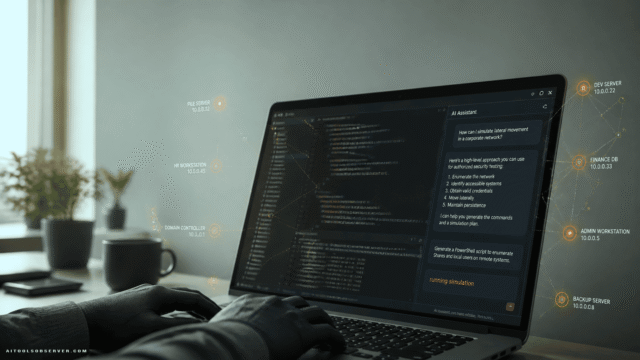
These are AI models retrained for malicious purposes, jailbroken versions of legitimate tools with safety guardrails stripped out, or purpose-built systems like WormGPT. Think of them as the dark web’s answer to enterprise AI — same architecture, opposite intent.
AI-Enabled Identity Fraud
Voice cloning. Video deepfakes. KYC bypass. One tool Kaiser highlighted claims a 92% success rate at defeating Know Your Customer verification platforms — and has enough market recognition that criminals are hunting for pirated copies of it.
The kicker: these tools can be trained on just three seconds of audio. Your voicemail greeting is now a liability.
AI-Augmented Malware and Infrastructure
This category goes beyond text generation into live operational support. One example is an AI-powered fake call center supporting 25 languages, trained on over 150,000 calls, and capable of generating ambient call center background noise to make victims feel at ease.
That last detail is worth pausing on. Someone engineered fake hold music to make fraud feel more legitimate.
Jailbroken and Stolen AI Services
The largest and cheapest category. Jailbroken AI access, stolen accounts, and bypassed safety systems dominate the listings. The community around these offerings is active, organized, and constantly iterating.
Why This Market Is So Hard to Disrupt
The architecture of this ecosystem is deliberately redundant. Kaiser described it plainly: if a paid tier goes down, the free tier keeps distributing. If a website is seized, the Telegram bot survives. If the Telegram channel is banned, the forum thread persists.
Every channel is a backup for every other channel. It’s not a single market — it’s a mesh.
This isn’t accidental. It’s the same resilience logic that good SaaS infrastructure teams use, applied to criminal distribution. The people building this understand uptime.
What Defenders Actually Need to Do
Kaiser outlined four practical orientations for organizations navigating this shift.
Prepare for volume, not just sophistication. Low-capability actors flooding the space with AI-assisted attacks generate noise that fatigues security teams — even if individual attacks are unsophisticated. Quantity is its own threat vector.
Treat phone calls as a primary attack surface. Voice deepfakes and AI call centers mean verification protocols built around voice recognition are now actively exploitable. Redesign them.
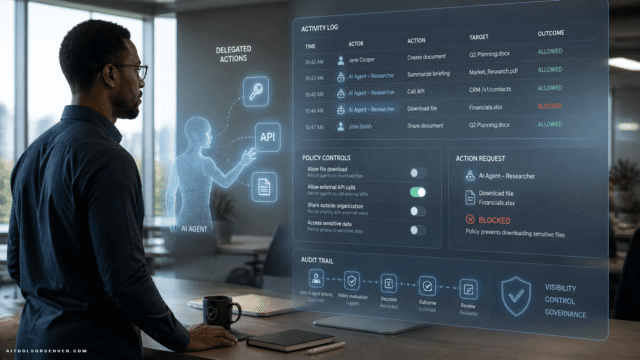
Match AI speed with AI defense. Attacks are accelerating. Behavioral protection, automated isolation, token revocation, and credential disabling need to operate at machine speed, not human speed.
Stop treating this as purely a technical problem. Kaiser is direct here: “This is really a policy and partnership problem as much as it is a technical one.” AI model providers, payment processors, hosting infrastructure, and law enforcement need to coordinate. Defenders working in silos are playing a slower game than attackers working in networks.
The Actionable Edge
There’s a counterintuitive upside buried in all of this. The same intelligence work that maps how these markets operate also reveals where they’re fragile.
Law enforcement disruption and financial pressure create real friction. And defenders who understand attacker behavior from direct observation — what they’re buying, building, and deploying — hold a genuine advantage.
The dark web AI market is sophisticated. But it’s also observable. And in the AI tools ecosystem, observation is exactly where smarter choices begin.






Comments (0) No comments yet
Want to join this discussion? Login or Register.
No comments yet. Be the first to share your thoughts!