



1. The New Black AI: Best for all-in-one AI fashion creation
The New Black AI is positioned as a fashion-specific platform that brings multiple workflows into one place. Instead of patching together separate tools for concept design, model imagery, product visuals, and e-commerce content, brands can work from a more unified setup.
That matters if your team is small or stretched. A designer can explore garments from sketches, prompts, or references, while marketing can turn those outputs into visuals, lookbooks, or product content without starting from zero every time.
Why it stands out
Its biggest advantage is workflow continuity. Many general AI tools can make nice images, but they are not built around fashion production logic. The New Black AI appears more useful for brands that want the same product idea to move from concept stage into merchandising and content creation.
Key features
- AI clothing design and garment visualization
- AI-generated fashion models
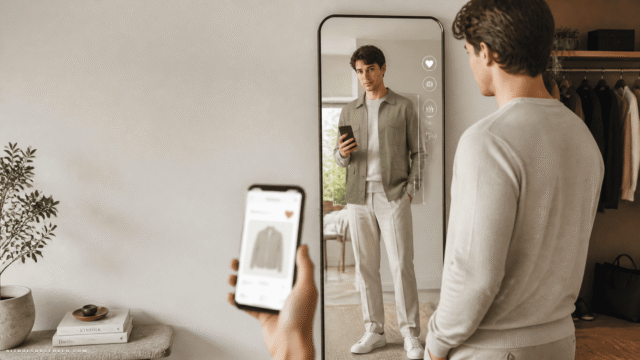
- Virtual try-on and product visualization
- AI fashion videos and digital lookbooks
- AI-assisted tech pack creation
- Shopify integration for e-commerce workflows
Best fit
- Independent fashion designers
- Emerging apparel brands
- Fashion entrepreneurs
- E-commerce teams that want one platform for several tasks
Tradeoff to consider
An all-in-one tool can simplify operations, but specialized teams may still prefer best-of-breed tools for individual functions like forecasting or CRM.
2. Heuritech: Best for fashion trend forecasting
Heuritech focuses on a different problem: reducing guesswork in trend planning. Rather than relying only on intuition, runway observation, or manual trend reports, it uses AI and computer vision to analyze fashion imagery and identify patterns across attributes like silhouettes, colors, and fabrics.
For fashion brands, that can help answer a harder question than “what looks good?” It can support “what appears to be gaining traction, for which audience, and where?”
Why it stands out
Heuritech is especially relevant for brands making seasonal bets. If your team needs more confidence around collection planning, category direction, or market differences, forecasting tools can be more valuable than creative generation tools.
Key features
- AI-powered fashion trend forecasting
- Social media image recognition
- Regional and consumer segment analysis
- Color, fabric, and silhouette intelligence
- Historical and predictive trend data
Best fit
- Fashion retailers
- Luxury brands
- Merchandising teams
- Collection planners and buyers
Tradeoff to consider
Trend intelligence helps with planning, but it does not produce creative assets. Brands usually use a forecasting platform alongside design, imaging, or marketing tools.
3. Botika: Best for AI fashion models
Botika is built for one of the most expensive and repetitive tasks in fashion e-commerce: producing enough on-model imagery for a growing catalog. The platform helps transform existing garment photos, mannequin shots, or flat lays into visuals featuring AI-generated models.
That can be useful for brands that need more image variety without coordinating a new photoshoot for every product, color, or merchandising update.
Why it stands out
Botika appears strongest when speed and catalog scale matter. If a retailer already has base product imagery but wants more polished on-model content, it can reduce the production gap between launch timelines and content readiness.
Key features
- AI-generated fashion models
- Flat lay to on-model image generation
- Ghost mannequin image transformation
- Fashion product video generation
- Catalog-scale visual content production
Best fit
- Online clothing retailers
- Fashion marketplaces
- E-commerce teams managing high SKU volumes
Tradeoff to consider
Brands need to be careful about visual accuracy. AI-generated model imagery should still reflect garment fit, drape, texture, and color as truthfully as possible, especially for products with nuanced construction.
4. Refabric: Best for fashion design and collection development
Refabric is geared toward design teams that want AI support earlier in the product lifecycle. Rather than using AI mainly for final-stage content, it supports concept development, collection exploration, and related technical workflows.
This is useful for brands where the creative team needs to produce more directions, more quickly, without losing touch with the label’s existing visual language.
Why it stands out
The mention of brand identity training is important. One of the common issues with generative tools is that outputs feel generic or inconsistent. A platform that lets fashion teams work from existing references, archives, or brand cues is usually more practical than one that simply generates broad concepts.
Key features
- Generative AI fashion design
- Digital collection development
- Brand identity training
- Fashion trend analysis
- Tech pack creation and product imagery
Best fit
- Fashion designers
- Apparel manufacturers
- Creative teams building new collections
Tradeoff to consider
Refabric looks strongest in design and development workflows. If your main pain point is campaign execution or retention marketing, it may not solve the most urgent problem first.
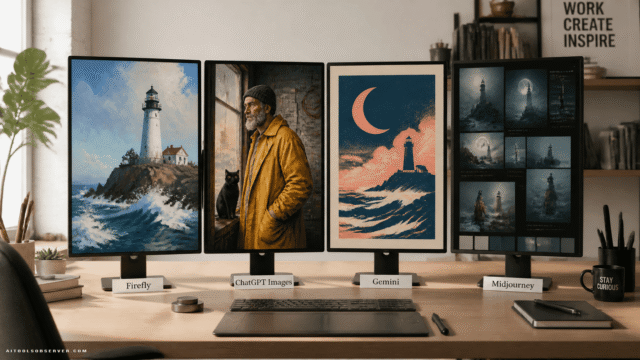
5. Adobe Firefly: Best for fashion campaign creative
Adobe Firefly is not fashion-specific, but it is highly relevant for fashion marketing and creative teams. It supports image generation, editing, expansion, and video-related experimentation, which makes it useful for campaign ideation, seasonal storytelling, and visual concept development.
In practice, this means teams can test different art directions before committing to a full production plan.
Why it stands out
For many brands, campaign development is less about one perfect generated image and more about speed in concepting. Firefly fits well when marketers, art directors, and designers want to explore multiple directions for ads, editorials, social content, and launch assets.
Key features
- Text-to-image generation
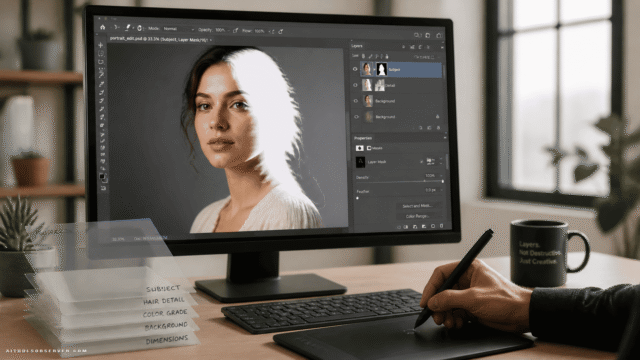
- AI-powered photo editing
- Background generation and image expansion
- AI video generation
- Digital mood boards and storyboards
- Integration with Adobe’s creative ecosystem
Best fit
- Fashion marketing teams
- Creative agencies
- Graphic designers
- Art directors
Tradeoff to consider
Because Firefly is a broad creative tool, it may not offer the fashion-specific workflow depth of platforms built specifically for apparel design or retail operations.
6. Photoroom: Best for product photography and image editing
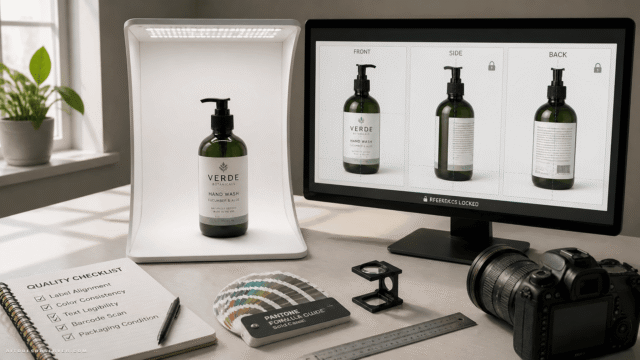
Photoroom is one of the more practical choices for fashion brands focused on commerce execution. If your team is spending too much time removing backgrounds, standardizing product shots, creating cleaner marketplace images, or staging products for campaigns, this kind of tool can save a lot of manual effort.
It is especially relevant for smaller brands that need professional-looking visuals without a large studio workflow.
Why it stands out
Photoroom helps with the repetitive work that directly affects conversion-ready assets. Not every fashion AI investment needs to start with design ideation. For some brands, improving PDP image consistency is the faster path to better operational efficiency.
Key features
- Automatic background removal
- AI-generated product backgrounds
- Product image enhancement
- AI fashion model generation
- Batch image processing
- Product staging and ghost mannequin imagery
Best fit
- Small fashion businesses
- Online boutiques
- Marketplace sellers
- E-commerce content teams
Tradeoff to consider
Photoroom is more execution-focused than strategy-focused. It improves image workflows, but it will not help much with forecasting, assortment planning, or customer lifecycle marketing.
7. Orbix by Stylumia: Best for retail demand intelligence
Orbix by Stylumia is aimed at the commercial side of fashion. Instead of helping create products or visuals, it helps brands think through what to launch, how to prioritize assortment, and where inventory or pricing decisions may need better market context.
This is often where fashion teams struggle. Creative instincts may point one way, but financial goals, inventory pressure, and shifting customer demand may point another.
Why it stands out
Orbix appears useful for fashion businesses that want a stronger decision-support layer around merchandising and planning. It can complement design and marketing tools by grounding decisions in market and demand signals.
Key features
- AI-powered retail demand intelligence
- Product launch opportunity analysis
- Assortment and inventory decision support
- Market and competitive intelligence
- Pricing decision support
Best fit
- Fashion retailers
- Retail buyers
- Merchandising professionals
- Commercial planning teams
Tradeoff to consider
This is not a creative production platform. Brands that are still trying to fix image content, concept development, or ad creative may need a different starting point before adding demand intelligence.
8. Klaviyo: Best for personalized fashion marketing
Klaviyo sits closest to revenue retention and customer communication. For direct-to-consumer fashion brands, the sale is only part of the equation. Repeat purchases, replenishment timing, seasonal launches, abandoned carts, and loyalty messaging all matter.
That is where AI-assisted personalization can support better segmentation and more relevant messaging across email and SMS.
Why it stands out
Fashion brands often invest heavily in acquisition but underuse customer data after the first purchase. Klaviyo is useful when the goal is to turn buyer behavior into more targeted campaigns and stronger retention workflows.
Key features
- AI-assisted marketing campaign creation
- Customer segmentation and personalization
- Predictive customer analytics
- Email and SMS marketing automation
- Abandoned cart recovery
- Customer retention and re-engagement workflows
Best fit
- Direct-to-consumer fashion brands
- Online clothing retailers
- E-commerce marketing teams
Tradeoff to consider
Klaviyo is strongest after you already have traffic and customers. It will not solve early-stage design or visual production bottlenecks on its own.
Which AI tool is right for your fashion brand?
The best choice depends on where your team loses the most time or money today. Most fashion brands do not need eight new platforms. They need one or two tools that solve a specific workflow problem clearly.
Here is a simple way to think about it:
- Choose The New Black AI if you want a fashion-focused, multi-purpose platform for design and content creation.
- Choose Heuritech if trend forecasting and collection planning are your biggest concerns.
- Choose Botika if you need more on-model imagery across a large catalog.
- Choose Refabric if your design team needs help developing collections faster.
- Choose Adobe Firefly if campaign ideation and creative experimentation are the priority.
- Choose Photoroom if product photography workflows are slowing down e-commerce execution.
- Choose Orbix by Stylumia if merchandising and demand planning need stronger data support.
- Choose Klaviyo if retention, personalization, and lifecycle marketing matter most.
How to choose without overbuying
1. Start with the bottleneck, not the hype
If product photos are delaying launches, a forecasting tool will not help much. If your collection planning is too intuitive, another image editor will not fix it. Match the tool to the operational constraint.
2. Protect product truth
In fashion, visual polish can backfire if the product shown does not match what shoppers receive. Be especially careful with fit, fabric texture, color tone, and silhouette accuracy in AI-generated imagery.
3. Separate creative AI from commercial AI
Some tools help you make better visuals. Others help you make better planning decisions. They are both useful, but they solve different problems.
4. Think in workflows, not features
A long feature list is less important than whether a tool fits your current process. The right platform should remove friction between teams, not add another isolated step.
5. Favor measurable use cases first
Start with workflows where results are easiest to evaluate, such as:
- faster PDP image preparation
- more campaign variations
- quicker collection concepting
- better abandoned cart flows
- clearer assortment decisions
Final takeaway
For fashion brands, the smartest AI investment is usually the one closest to a real operational pain point. If you need faster concepting, look at The New Black AI or Refabric. If you need better product visuals, Botika or Photoroom may be the better fit. If your challenge is planning or retention, Heuritech, Orbix by Stylumia, and Klaviyo make more sense.
Pick the tool that solves today’s bottleneck first. Then expand from there once the workflow improvement is clear.




Comments (0) No comments yet
Want to join this discussion? Login or Register.
No comments yet. Be the first to share your thoughts!