


What changed
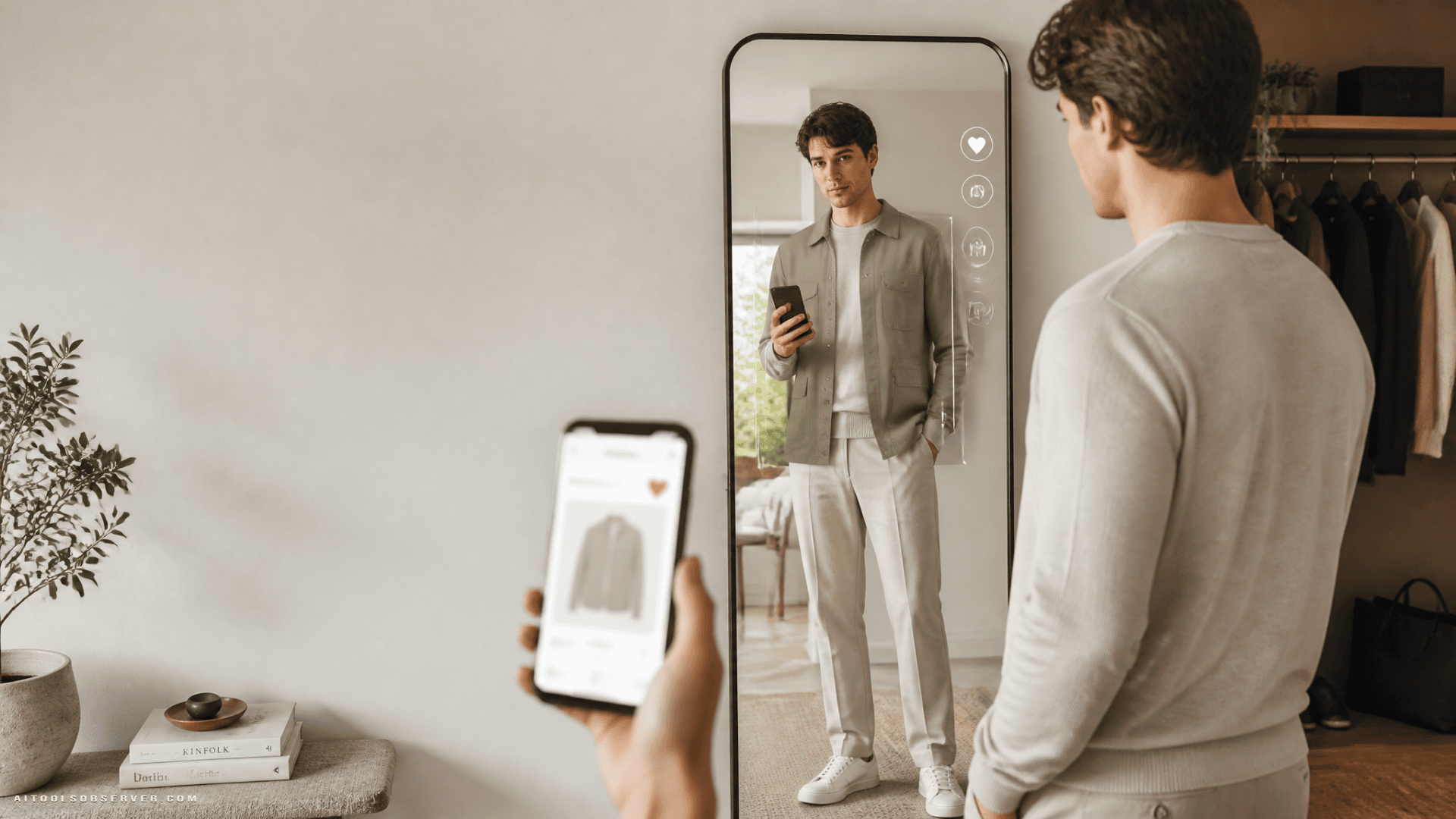
The update adds two clear consumer features inside ChatGPT shopping flows:
- Virtual Try-On: users can upload a selfie or full-body photo to see how clothing or accessories might look on them
- Favorites: users can save products to a Library and return to them later
There’s also a practical twist. Users can upload an image of an item, such as a screenshot from the web, and ask ChatGPT to try it on.
That shifts ChatGPT from “find me products” toward “help me picture the purchase.”
Why this matters
AI shopping has a trust problem. People want help, not a stream of uncanny recommendations that feel suspiciously ad-shaped.
This update appears to be OpenAI’s attempt to make shopping assistance more visual, more user-led, and a bit less intrusive. Instead of pushing products at people, ChatGPT is offering tools that respond to clear intent: show me this on me, save this for later, help me build a look.
That’s a smarter posture for commerce.
The bigger play: from chatbot to shopping layer
ChatGPT already had ways to help users search and compare. These new features add something more tactile.
A few likely use cases stand out:
- Describe a style and ask ChatGPT to assemble the pieces
- Upload a celebrity outfit photo and ask for similar shoppable items
- Save options while deciding between looks
- Test whether a piece works visually before clicking through to a retailer
This puts ChatGPT in the same neighborhood as visual discovery platforms and search tools that already influence what people buy. Fashion inspiration, visual matching, and purchase intent are now being bundled into one assistant flow.
Convenient for users. Slightly concerning for every platform that used to own that discovery step.
Why virtual try-on is harder than it sounds
Virtual try-on demos are usually great right up until sleeves melt into elbows.
OpenAI says these features use its Images 2.5 model, which it describes as better at natural lighting, richer textures, more reliable editing, and lower latency. For shopping, those details matter more than the model branding.
If a jacket’s fabric looks wrong, or proportions drift, trust disappears fast. In commerce, “close enough” can still mean “no thanks.”
So the value here is not just that ChatGPT can generate an image. It’s whether the image feels useful enough to support a buying decision.
Favorites is the quiet feature with real staying power
Virtual try-on gets the headline. Favorites may end up doing more of the everyday work.
Saving products to a Library makes ChatGPT more persistent as a shopping assistant. It can now support the very normal behavior that defines online shopping: browsing, hesitating, comparing, leaving, returning, overthinking, repeating.
OpenAI says saved items will sit alongside try-on images. That pairing matters. It turns a one-off interaction into a lightweight decision workspace.
Not glamorous. Very practical.
A cautious step after earlier commerce experiments
This move also comes with context. Shopping inside AI assistants has been a messy category.
Some commerce features have struggled when they tried to compress the path from recommendation to purchase too aggressively. Instant checkout sounds efficient, but if users do not trust the recommendation layer, speed is not the real bottleneck.
There’s also been growing skepticism around proactive product suggestions from AI tools. Once recommendations start feeling like ads in a trench coat, users tend to notice.
By contrast, try-on and favorites are easier to frame as utility. They help users evaluate and organize, rather than just convert.
What this means for AI tool watchers
For founders, marketers, and product teams, the lesson is pretty simple: shopping AI works better when it reduces uncertainty instead of increasing pressure.
This update suggests a few things about where consumer AI may be heading:
- Visual assistance matters more than plain-text recommendations for style and fashion
- User-controlled discovery is safer than aggressive suggestion engines
- Memory features like saved products make assistants more useful over time
- Commerce UX may increasingly happen inside general-purpose AI products, not just retail apps
That last point is the one worth watching. If users start discovering, visualizing, and shortlisting products in ChatGPT, then product search behavior may keep drifting away from traditional retail journeys.
The practical takeaway
If you use AI tools for shopping, this update makes ChatGPT more useful for early-stage decisions: exploring style, narrowing choices, and checking whether an item even passes the “would I wear this?” test.
If you build AI products, there’s a sharper takeaway: don’t just help people buy. Help them decide. That’s the part they’ll come back for.












Comments (0) No comments yet
Want to join this discussion? Login or Register.
No comments yet. Be the first to share your thoughts!