


What Actually Happened
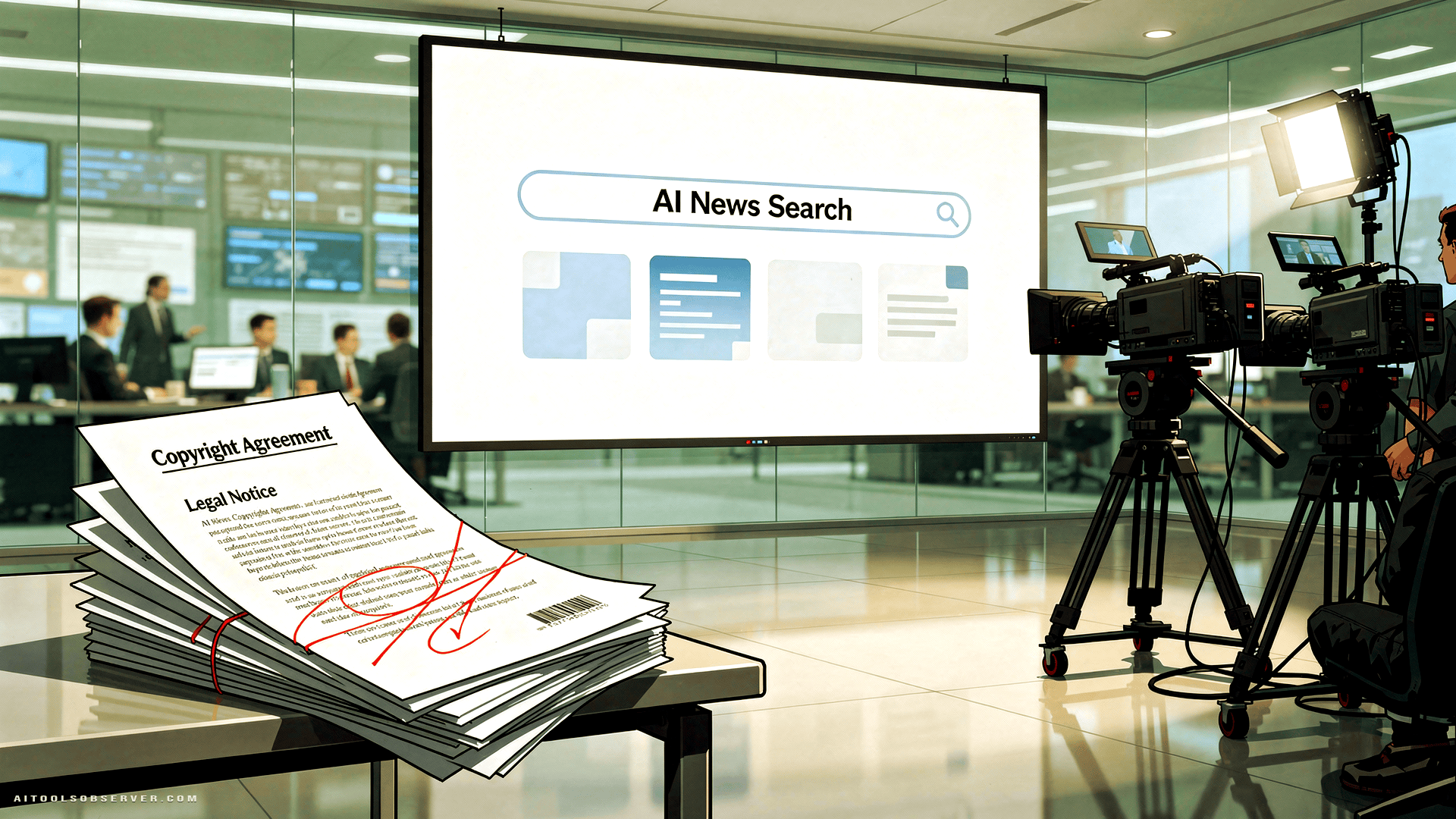
The short version: CNN tried to cut a licensing deal with Perplexity last year. Talks broke down. Perplexity kept using CNN’s content anyway — or so CNN alleges.
The lawsuit is direct about the sequence of events. Because negotiations failed, Perplexity “knew that it was not permitted to access CNN’s content or to use its trademarks or service marks.” That framing matters. It’s not just a copyright claim — it’s an argument that Perplexity proceeded with full awareness.
CNN’s position is equally blunt: “There is no free option.”
Perplexity’s Counter
Perplexity’s chief communications officer fired back with a classic: “You can’t copyright facts.”
It’s a legally grounded argument, not a throwaway line. In earlier filings against The New York Times and the Chicago Tribune, Perplexity leaned on the same principle — that attempts to “monopolize facts” conflict with bedrock intellectual property law that has historically allowed new technologies to flourish.
The tension here is real. Facts are free. Journalism — the selection, verification, framing, and original expression of those facts — is not. Where exactly Perplexity’s outputs fall on that spectrum is what courts will have to decide.
This Is a Pattern, Not an Anomaly

CNN joins a growing queue. News Corp, The New York Times, the Chicago Tribune, Encyclopedia Britannica, and Japan’s Yomiuri Shimbun have all taken legal action against Perplexity in the past two years.
That’s a genuinely international coalition of publishers, which signals something: this isn’t a few legacy outlets protecting turf. It’s a coordinated industry-wide reckoning with how AI tools consume and redistribute content at scale.
At the same time, Gannett, TIME, Le Monde, and Der Spiegel have all struck deals with Perplexity during the same period. The industry isn’t unified on strategy — it’s running two tracks simultaneously. Sue some, license others. Apply pressure while keeping the door open.
Why This One Feels Different

Most AI copyright suits so far have come from text-first publishers. CNN is a broadcaster. Its journalism involves reporters in the field, video production, and significant operational cost. The network made that point explicitly: news is “frequently dangerous and expensive to produce.”
That framing shifts the moral weight of the argument. It’s harder to dismiss when the content in question isn’t just articles — it’s correspondents in conflict zones.
CNN also made clear it’s not anti-AI. The network has a content deal with Meta and describes itself as actively embracing AI partnerships. The message is calibrated: we’re not Luddites, we just want to be paid.
What This Means for AI Tools

If you’re building with or evaluating AI tools that aggregate or synthesize news content, this lawsuit is a signal worth tracking.
The legal landscape around AI and publisher content is hardening fast. Perplexity is valued in the tens of billions — and still can’t seem to close licensing deals fast enough to stay ahead of litigation. That gap between valuation and legal exposure is a structural risk that will eventually show up in product decisions, pricing, or access.
For publishers, the two-track approach — sue the holdouts, license the willing — is becoming the industry playbook. Expect more networks, regional publishers, and international outlets to follow CNN’s lead.
The Bigger Question

At its core, this fight is about who gets paid when AI becomes the primary interface between journalism and the public.
If Perplexity surfaces a CNN story in a conversational answer, does CNN get traffic? Ad revenue? Any value at all? The answer right now is: not reliably. And that’s the problem courts are being asked to solve — because the market hasn’t solved it yet.
The outcome of these cases won’t just affect Perplexity. It will shape how every AI tool that touches news content is built, licensed, and priced going forward.
Worth watching. Closely.







Comments (0) No comments yet
Want to join this discussion? Login or Register.
No comments yet. Be the first to share your thoughts!