


The Core Problem With Most AI Training
Generic AI training creates a gap. Employees learn what a tool can do, but they leave without knowing how to apply it to their actual job. A week later, most of them are back to doing things the old way.
The issue isn’t motivation. It’s that the training never connected to real work.
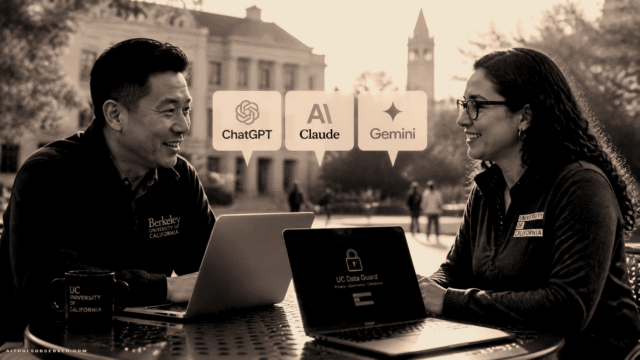
Paloren’s approach starts before anyone enters a session. The company first records which AI tools each team is approved to use—whether that’s Microsoft Copilot, ChatGPT, Claude, or Gemini—and which features are actually switched on in that environment. Training is then built around that specific setup.
For Microsoft 365 environments, for example, the starting point is the Word, Teams, and Outlook tasks staff already handle daily. That’s a meaningful difference from a vendor demo.
Cohort Size and Role-Specific Content
Sessions run with cohorts of six to sixteen people. Larger organizations can run multiple cohorts in parallel. Every cohort works from a shared foundation, but the practice material is role-specific—finance teams work on finance tasks, operations teams work on operations tasks, and so on.
This matters because the gap between “AI can summarize documents” and “here’s how to summarize the weekly ops report your manager needs by Friday” is where most training programs fall short.
What Each Format Includes
Paloren’s programs—available as half-day workshops, full-day workshops, or four-to-six-week department programs—are structured around a consistent set of components:
- A baseline exercise to establish starting skill level
- Safe practice materials that don’t expose real company data
- Reusable task instructions teams can apply after the session
- An independent attempt so participants practice without a trainer watching
- A workplace trial with a named reviewer
That last point is worth noting. Managers receive work they can inspect, not just an attendance record. That’s a more accountable model than most training providers offer.
Executive Coaching
Beyond department-level programs, Paloren also offers executive coaching. This is positioned for senior leaders who need to understand AI well enough to make decisions about adoption, governance, and tool selection—not necessarily to use the tools themselves every day.
Approved Tools: Why This Framing Matters for Enterprise AI
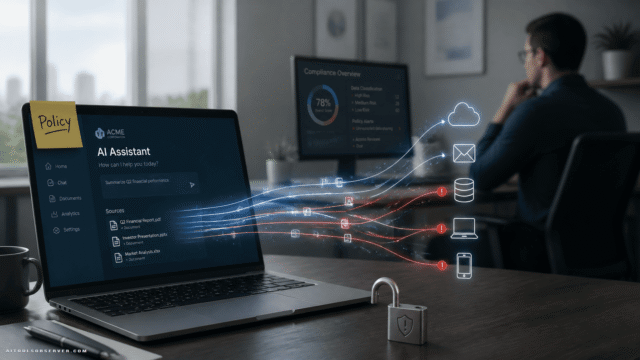
Enterprise AI adoption isn’t just about capability. It’s about compliance, data governance, and risk management.
When a company approves specific tools—say, Microsoft Copilot for internal use but not consumer ChatGPT—there are usually reasons behind that decision. Security reviews, data residency requirements, licensing agreements. Training that ignores those guardrails creates risk.
By anchoring every program to the tools a company has already approved, Paloren’s model is designed to support responsible AI adoption rather than work around it. Teams learn to use what they’re actually allowed to use, in the way the organization intends.
This is particularly relevant for Australian organizations navigating enterprise AI rollouts, where IT and legal teams often have strong opinions about which tools are in scope.
What Corporate AI Training Costs in Australia
Paloren’s Australian AI Training Price Index—based on published prices from multiple providers as of November 2026—found a median starting price of around A$4,900 per group for private team sessions.
That figure comes with an important caveat: session length across providers ranged from roughly one hour to a full day. Price alone is a poor comparison metric. A$4,900 for a one-hour session and A$4,900 for a full-day workshop with reusable materials are very different propositions.
The more useful comparison points are:
- Duration — How many hours of actual training does the group receive?
- Group size — What’s the maximum cohort, and does the price scale?
- Customization — Is the content built around your tools and tasks, or is it off-the-shelf?
- Post-session support — Do participants leave with materials they can use independently?
Remote and Onsite Delivery
Paloren runs remote sessions in Australian working hours, which is a practical consideration for distributed teams. Onsite delivery is available by arrangement for organizations that prefer in-person training or have compliance reasons to keep sessions on-premises.
Founders and senior practitioners deliver the training directly, rather than subcontracting to junior facilitators. For organizations paying for private group sessions, that’s a relevant quality signal.
Who This Is For
Paloren’s model appears best suited for:
- Mid-to-large Australian organizations rolling out AI tools across departments and needing structured adoption programs
- IT and L&D teams who need training that respects approved tool lists and data governance requirements
- Managers who want measurable outcomes from AI training investment, not just attendance metrics
- Executive teams who need enough AI fluency to lead adoption decisions confidently
It’s less likely to be the right fit for individual freelancers or very small teams looking for self-paced online courses. The cohort model and customization process are built for organizational buyers.
For teams thinking about enterprise AI adoption, that distinction matters.
The Practical Takeaway
If your organization is planning AI training for 2027, the most important question to ask any provider isn’t “what tools do you cover?” It’s “will you build the training around the tools we’ve approved and the tasks our teams actually do?”
That’s the gap most generic AI training programs don’t close. Paloren’s model is explicitly structured around closing it—starting from approved tools, building to real tasks, and giving managers something they can actually evaluate.
For Australian organizations serious about enterprise AI adoption, that’s a more useful starting point than a one-size-fits-all AI literacy course.
It also aligns with broader priorities around adoption, governance, and measurable implementation decisions.










Comments (0) No comments yet
Want to join this discussion? Login or Register.
No comments yet. Be the first to share your thoughts!