


What InterPositive Actually Does
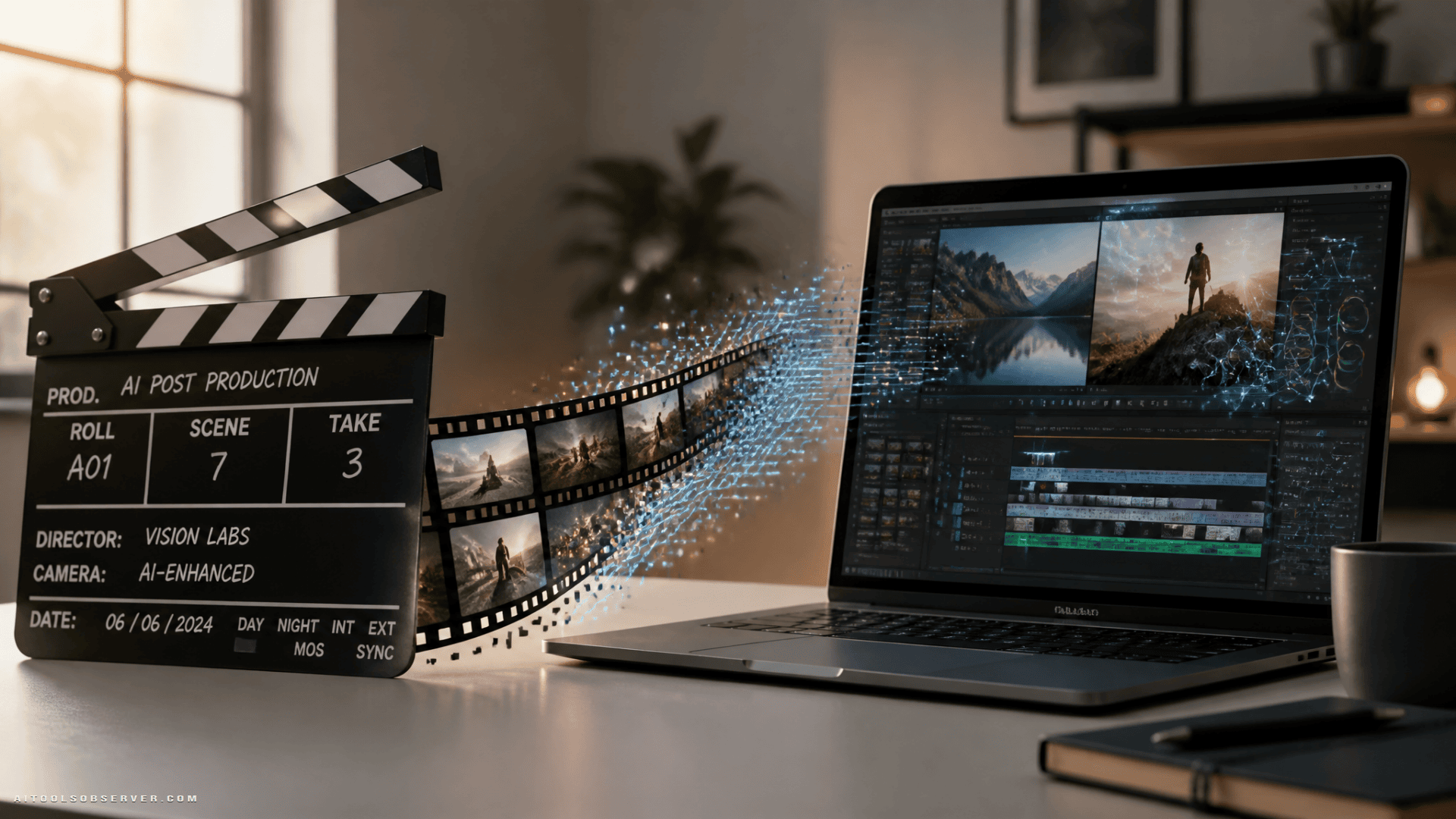
InterPositive isn’t a text-to-video generator or a synthetic actor platform. Its tools are focused on post-production — the unglamorous but expensive phase where footage gets fixed, polished, and finished.
According to Affleck’s own statement at the time of the acquisition, the tools help filmmakers address “real-world production challenges such as missing shots, background replacements or incorrect lighting.” That’s a specific, practical problem set. It’s not about replacing directors — it’s about reducing the cost and time of fixing what didn’t go right on set.
That framing matters. It positions InterPositive as a workflow tool, not a creative replacement, which is a much easier sell inside a studio system that’s still sensitive about AI’s role in creative work in video production.
Why Netflix Paid This Much
Netflix isn’t just buying software. It’s buying a team, a capability, and a competitive position.
The entire InterPositive team is joining Netflix, with Affleck coming on as a senior advisor. That combination — technical talent plus a credible Hollywood name — gives Netflix internal AI infrastructure and a degree of industry legitimacy that’s hard to put a price on.
The scale of the bet also makes more sense when you look at Netflix’s own numbers. The company reported in its most recent earnings that around 300 of its titles have already used generative AI. That’s not a pilot program. That’s an operational dependency — and owning the tooling that supports it is a logical next step.
What This Signals for the AI Tools Ecosystem
A few things stand out here for anyone tracking AI tools in media and video production:
- Post-production AI is where the near-term money is. Tools that fix, enhance, and accelerate existing footage are solving real, expensive problems that studios already pay to solve.
- Acquisitions are accelerating. When a streaming giant pays $587M for a startup that’s been relatively quiet publicly, it signals that proprietary AI tooling is becoming a strategic asset — not just a vendor relationship.
- The “protect human creativity” framing is deliberate. Affleck’s statement wasn’t accidental. Studios, unions, and audiences are all watching how AI gets used in film. Companies that lead with augmentation rather than replacement are navigating that tension more carefully, including approaches framed around protect human creativity.
What It Means for Filmmakers and Video Professionals
If you’re working in video production — whether at a studio, an agency, or independently — this deal is worth paying attention to for a few reasons.
The tools InterPositive built are now inside one of the world’s largest content operations. That means the workflows they’ve developed will likely influence how AI post-production tools evolve across the industry. Competitors will respond. Vendors will position against Netflix’s internal stack. New tools will emerge trying to offer similar capabilities to teams that aren’t Netflix.
For independent filmmakers and smaller production teams, the practical takeaway is this: AI post-production tools are maturing fast, and the gap between what large studios can do and what’s available to everyone else is narrowing. Keep an eye on what comes to market in the next 12–18 months in the background replacement, lighting correction, and missing shot reconstruction categories. Related shifts in AI video editing also point to how quickly workflows are changing.
The $587 million Netflix just spent tells you exactly where the value is being built.








Comments (0) No comments yet
Want to join this discussion? Login or Register.
No comments yet. Be the first to share your thoughts!