


What Actually Happened

Two cases. Two different flavors of the same problem.
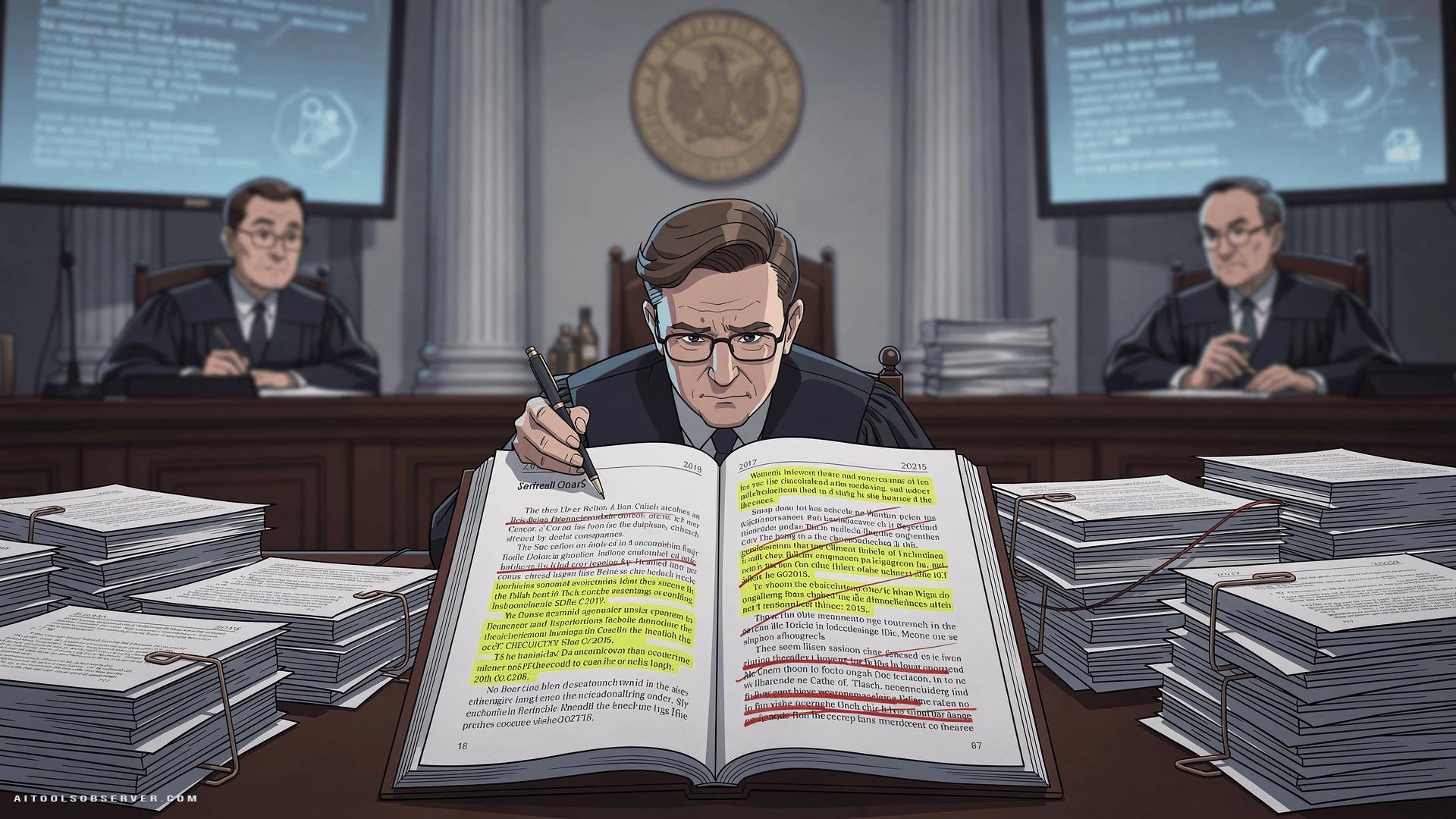
In the first, plaintiffs used a tool called LegalAI to submit supporting documents packed with citations to cases that simply don’t exist — complete with fake quotes. The court gave them a chance to resubmit. They filed again within 12 hours. Still wrong. Still fabricated. The petition was dismissed.
In the second case, a respondent filed documents referencing legal arguments that couldn’t be verified anywhere in Oregon case law. The court fined them $500 and allowed a resubmission — a comparatively gentle outcome, but a public one.
Both cases share the same root cause: AI tools confidently inventing legal precedent that no judge, clerk, or opposing counsel can actually find.
This Isn’t an Isolated Glitch
Here’s the uncomfortable context: researchers estimate more than 1,000 cases across the country now contain inaccuracies tied to AI-generated content.
The penalty scale has been escalating fast. Lawyers for a MyPillow executive were fined $3,000 each in federal court for AI-assisted filing errors. An Oregon attorney was hit with $110,000 in district court — reportedly the highest penalty of its kind so far. And now the Oregon Supreme Court is in the conversation.
Ankur Doshi, General Counsel of the Oregon State Bar, put it plainly: fabricated citations don’t just embarrass the filer. They create extra work for the court, extra work for opposing counsel, and ultimately drive up legal costs for everyone involved.
That’s not a bug in one tool. That’s a systemic trust problem.
Why Legal AI Hallucinations Are Uniquely Dangerous

AI hallucinations in a marketing email are annoying. AI hallucinations in a court filing are a different category of problem entirely.
Legal arguments depend on verifiable precedent. When a citation doesn’t exist, the entire argument built on it collapses — and someone has to spend real hours figuring that out. Courts aren’t equipped to be fact-checkers for AI output. Neither is opposing counsel, who bills by the hour.
The deeper issue is that many filers — especially self-represented individuals — genuinely don’t know the AI fabricated the citation. They trusted the tool. The tool lied with complete confidence. That’s the hallucination problem in its most consequential form.
What This Means for Legal AI Tools
If you’re evaluating AI tools for legal research, this ruling draws a sharp line between two categories of product.
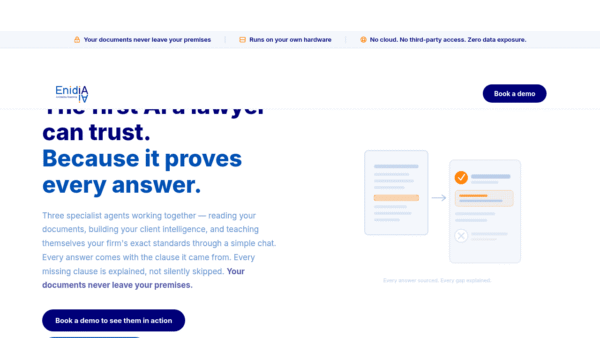
Tools that cite and verify — pulling from actual, retrievable caselaw databases with source links — are operating in a fundamentally different risk tier than tools that generate plausible-sounding legal language without grounding it in verified sources.
The distinction matters enormously right now. Courts are watching. Bar associations are watching. And the penalties are getting steeper.
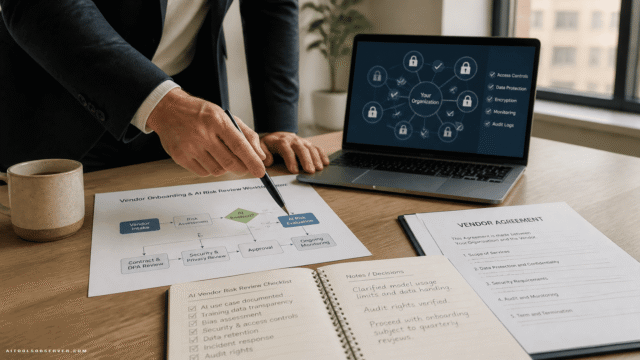
Questions worth asking before deploying any legal AI tool:
- Does it cite verifiable, retrievable sources — or generate citations from pattern-matching?
- Can every case reference be independently confirmed in a recognized legal database?
- Does the tool flag uncertainty, or does it present fabrications with the same confidence as facts?
- Is there a human review step built into the workflow?
If the answer to any of those is unclear, that’s your answer.
The Broader Signal for AI Adopters
Oregon’s Supreme Court didn’t ban AI from legal practice. It didn’t even suggest that. What it did was establish that the court’s time is not a sandbox for testing whether your AI tool hallucinates.
Chief Justice Flynn’s statement was almost understated in its precision: “When the court has to spend considerable time and effort addressing fabricated legal arguments, it comes at the expense of other cases.”
That’s not a warning about technology. That’s a warning about professional responsibility — and it applies whether you’re a licensed attorney or a self-represented individual who found a legal AI tool online and assumed it knew what it was doing.
The Takeaway
The hallucination problem isn’t new. The legal consequences are catching up.
For anyone building workflows around AI in law — whether you’re a solo practitioner, a legal ops team, or a founder integrating AI into a legal product — this ruling is a calibration moment. Verification isn’t optional. It’s the entire job.
Observe the tool carefully before you trust it with something a judge will read.






Comments (0) No comments yet
Want to join this discussion? Login or Register.
No comments yet. Be the first to share your thoughts!