



1. Tokenmaxxing
Tokens are the units of text an AI model processes. Tokenmaxxing is the practice of maximizing how many tokens an employee or team runs through a system—sometimes tracked on internal leaderboards at tech companies where heavy AI use is rewarded.
The problem: when you reward volume, employees pad prompts and run unnecessary tasks to boost their numbers. Track outcomes alongside usage, not instead of them.
2. AI Washing
Overstating, exaggerating, or outright fabricating AI capabilities in a product or service. A classic example: software marketed as using “advanced AI” to screen candidates that’s actually doing basic keyword matching.
Regulators are paying attention. The FTC has already brought enforcement actions here, and the SEC is watching too. Before repeating a vendor’s pitch as fact, get specific about what the tool actually does.
3. Shadow AI
Employees using AI tools without company approval or IT’s knowledge—usually because the approved tool is slower, weaker, or doesn’t exist yet.
This is almost certainly happening at your company right now. Unapproved tools can leak confidential data, introduce discrimination risk in hiring or performance decisions, and leave you unable to answer basic questions about where your data went. A written AI use policy is the starting point. Related concerns often overlap with Privacy & Data Protection.
4. Model Card
A short document published by an AI developer describing a model’s intended uses, limitations, training data, and known risks.
Think of it as a nutrition label for AI. Before deploying a tool for hiring, performance reviews, or other employment decisions, a model card is often the fastest way to do real due diligence. If a vendor doesn’t produce one, ask why.
5. Fine-Tuning
Taking a general AI model and training it further on a specific dataset so it performs better for a particular task or industry. This is how a generic model becomes an “HR-trained” or “legal-trained” version of itself.
If you fine-tune a model using your own company data—including employee information—that data shapes how the tool behaves going forward. Know what’s going in, who has access, and whether sensitive information could resurface somewhere unexpected.
6. Open-Weight Models
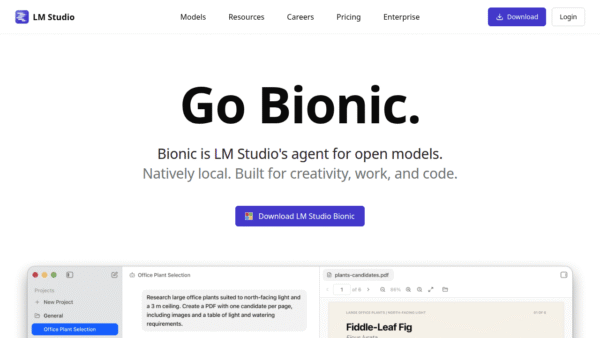
AI models where the underlying parameters are published for anyone to download and run on their own systems. Unlike closed models such as ChatGPT or Claude, which you access through a paid service, open-weight models can run entirely inside your own infrastructure.
That sounds appealing for cost and privacy. The tradeoff: no vendor support, no built-in guardrails, and significantly more legal responsibility landing on you if something goes wrong.
7. Distillation
A process where a large, complex AI model is used to train a smaller, faster, cheaper model that mimics much of its behavior. This is how AI companies produce the lighter versions that show up in budget tools and mobile apps.
Distilled models can be a smart cost-saving option—but they may be less accurate or reliable than the full-size model they’re based on. Test before you trust, especially for anything touching HR decisions.
8. Vibe Coding
Building software by describing what you want in plain language and letting an AI generate the code. No programming background required. Tools like Lovable, Cursor, Replit, and Bolt have made this genuinely accessible to non-technical employees.
The risk is proportional to the appeal. Employees across departments can now spin up internal tools and automations without anyone vetting the code for security holes or compliance issues. AI-generated code can look polished while quietly containing serious flaws. If your AI policy doesn’t address who’s allowed to build and deploy software this way, it should.
9. Context Window
The amount of text an AI model can hold in its working memory at one time. Once a conversation or document exceeds that limit, the model effectively forgets the earliest parts.
This matters when employees rely on AI to review long contracts, policies, or case files. A model that loses track of instructions halfway through a document will produce inconsistent, incomplete results—and it won’t always flag that it’s done so. Context Window limits are especially relevant in these workflows.
10. Prompt Injection
A security exploit where hidden instructions are embedded in a document or email to trick an AI system into doing something it shouldn’t. A Brazilian labor court recently fined a law firm for allegedly using a prompt injection to manipulate the court’s own AI system.
As more companies connect AI tools to email, HR systems, and document review workflows, this becomes a real cybersecurity risk. Ask your IT team or vendor what protections are in place.
Bonus: AI Slop
Low-quality, generic AI-generated content that’s technically coherent but adds no real value. Vague language, formulaic structure, no discernible human voice. You’ve seen it on LinkedIn. You may have sent some.
It’s a bigger problem than it looks. Slop erodes trust with clients and employees, and quietly signals that quality and originality don’t actually matter. That’s a culture problem, not just a content problem.
Conclusion
The goal here isn’t to turn every HR director into an AI engineer. It’s to make sure the people setting policy and evaluating tools aren’t flying blind on vocabulary. Understanding these terms won’t make every decision easy—but it will make the right questions a lot easier to ask.












Comments (0) No comments yet
Want to join this discussion? Login or Register.
No comments yet. Be the first to share your thoughts!