



The Bill on the Table
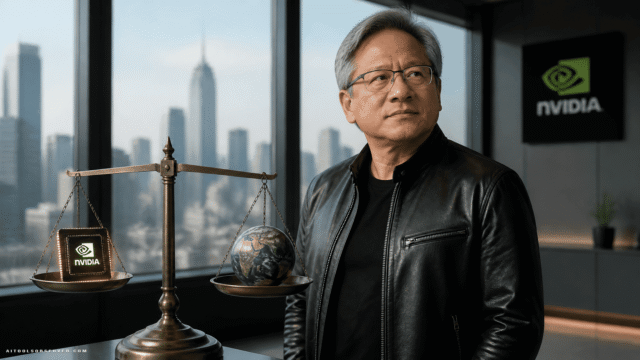
Senator Bernie Sanders has proposed the American AI Sovereign Wealth Fund Act, which would give the public a 50% ownership stake in the largest AI companies in the country. The pitch is straightforward: if AI is generating enormous wealth, that wealth shouldn’t flow exclusively to a small group of shareholders and executives.
Sanders framed it bluntly — the future of AI “must not be decided behind closed doors in Silicon Valley by billionaires seeking to maximize their power and profit.”
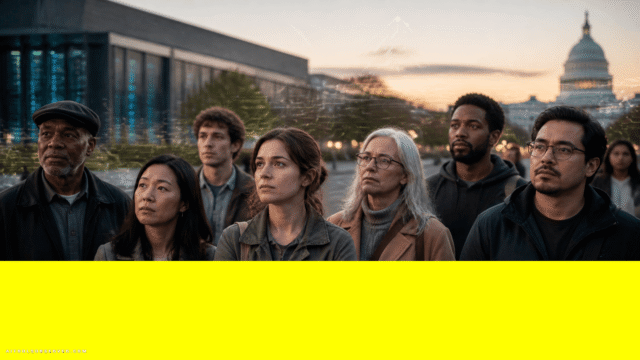
Whether or not the bill passes, the fact that it exists — and that two-thirds of surveyed Americans back its core idea — signals a real shift in how people are thinking about AI’s economic bargain.
Why Now
The timing isn’t accidental. Tech layoffs have been climbing even as corporate profits and AI capital expenditure both rise. That combination is politically combustible.
Goldman Sachs estimates that more than 9% of the U.S. labor force — roughly 15 million workers — could lose jobs during a 10-year AI transition. The bank’s economists expect those losses to prove temporary as AI creates new roles over the long run, but “eventually” is cold comfort if your job disappears next quarter.
Workers are watching companies announce record AI investment and record headcount reductions in the same earnings call. The frustration is rational.
What a Sovereign Wealth Fund Could Actually Do
A public AI fund isn’t just a protest idea — it has real structural uses. According to research firm Windfall Trust, sovereign wealth funds in the AI space could:
- Fund national AI infrastructure — the capital-intensive compute and data layers that private markets underfund
- Take equity stakes in AI companies — capturing economic gains for the public treasury rather than just taxing them later
- Maintain public influence over how frontier AI systems are developed and governed
The complications are real too. There’s an inherent tension between maximizing financial returns for citizens and prioritizing domestic AI development. If the best investment is a foreign AI company, a fund with a national mandate has a problem.
The Harder Question
Verasight CEO Benjamin Leff put it cleanly: in the public’s eyes, an AI sovereign fund is a tool to distribute AI’s gains back to broader society. That’s the appeal. The mechanics of doing it without distorting markets, chilling investment, or creating a politically managed tech sector are considerably messier.
Still, the survey result matters on its own terms. When 69% of Americans support forcing companies to hand over equity, that’s not a policy idea — it’s a pressure reading.
The Takeaway
The takeaway: AI economics are becoming a political issue at scale. Whether or not Sanders’ bill moves forward, the underlying demand — that AI’s gains be shared more broadly — isn’t going away. For anyone building, funding, or deploying AI tools, the regulatory and social environment around ownership and accountability is shifting. Worth watching closely.















Comments (0) No comments yet
Want to join this discussion? Login or Register.
No comments yet. Be the first to share your thoughts!