


Why travel is such a natural fit for agentic AI
Some categories are hard to automate because the task is vague or subjective from start to finish. Travel is different.
A trip usually follows a structured path. A traveler has dates, budget limits, destination options, loyalty preferences, lodging constraints, and transportation needs. That creates a workflow with rules, dependencies, and repetitive admin work.
This is where agentic AI starts to look useful rather than merely interesting. Instead of only answering a question like “Where should I go in April?”, an AI system can potentially help handle the chain of actions that follows:
- compare flight options
- monitor price changes
- surface hotel availability
- organize itinerary details
- fill in booking information
- coordinate approvals before purchase
That shift matters because the real pain in travel is rarely the first idea. It is the operational work that comes after.
What the latest moves from Google, Meta, Expedia, and Booking.com actually signal
The clearest trend is not that companies added chat to travel. It is that they are trying to collapse research, decision-making, and transaction steps into one continuous experience.
Google appears to be moving travel booking closer to where people already start: search. Its AI Mode is positioned to help monitor airfare, surface points or miles rates, and assist with lodging reservations. That matters because Google already owns a large share of travel discovery behavior.
Meta is taking a different angle. Its personal AI agent is described as something that can discuss preferences, open web sessions, fill out forms, and complete tasks with human approval. For travel, that points toward a more active assistant that does not just recommend options but can move the booking process forward.
Expedia and Booking.com are approaching the problem from inside travel platforms themselves. Their AI planners are positioned around itinerary building, trip coordination, and more personalized planning. Expedia’s framing around meeting people where they are, including travel details discussed across conversations, shows another key shift: travel planning is no longer being treated as a single search session.
Together, these moves point to one market change: AI travel tools are evolving from inspiration engines into workflow engines.
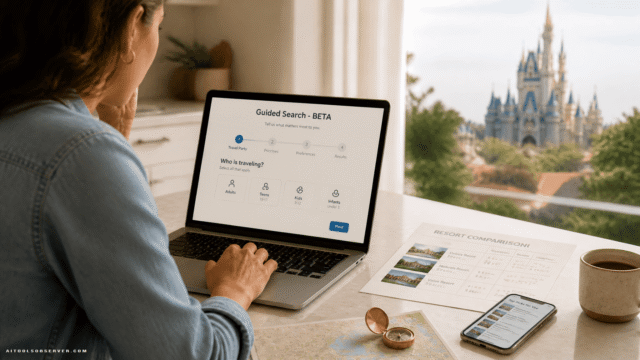
Search is becoming a travel agent interface
For years, travel discovery started with search and ended somewhere else. Users searched broadly, clicked into multiple sites, compared options manually, and then booked through an airline, hotel, OTA, or app.
Agentic AI compresses that journey.
If search can track fares, understand loyalty considerations, and help complete bookings, then the search layer becomes much more than a traffic source. It becomes an action layer. That has major implications for travel brands that rely on being discovered after the initial query.
For travelers, this can reduce tab overload. For travel companies, it raises a harder question: if the AI interface becomes the main decision broker, who owns the customer relationship?
The real opportunity is not just recommendation, but orchestration
Plenty of travel products already recommend destinations, hotels, or activities. Recommendation is not new. Orchestration is the bigger shift.
Travel contains many moving parts that affect each other. A delayed flight changes check-in timing. A cheaper flight might require a hotel adjustment. A group trip means multiple opinions, calendars, and budgets need to line up. These are not just content problems. They are coordination problems.
That is why agentic AI is getting attention in travel before many other consumer categories. The assistant can potentially do more than surface ideas. It can help manage dependencies across an entire trip lifecycle.
This includes:
- pre-trip research and comparison
- booking and form completion
- itinerary assembly
- loyalty and points tracking
- group coordination
- change management after plans shift
The more the tool can connect those steps, the more useful it becomes.
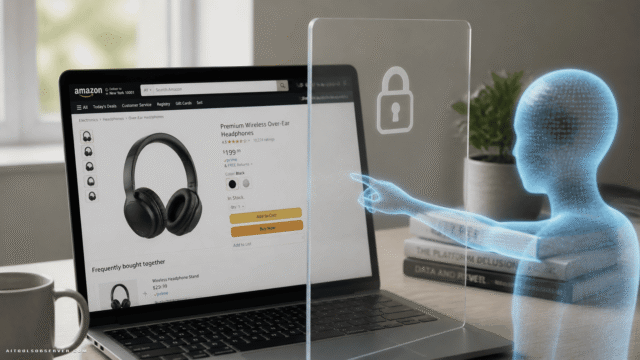
Human approval is becoming the key trust layer
The most important detail in many agentic AI travel experiences is not the chat interface. It is the approval step before a transaction happens.
Travel bookings are high-stakes enough that users usually want oversight. A wrong date, airport, room type, or cancellation policy can create a costly problem quickly. That makes full automation less appealing than supervised automation.
Meta’s described human-approval safeguard is a good example of where the category appears to be heading. Users may be comfortable letting an AI narrow options, fill out forms, or prepare a purchase, but they still want the final say.
This hybrid model matters because it makes adoption more likely. It does not ask users to surrender control. It asks them to delegate the tedious parts while keeping decision authority.
For AI tool builders, that is a useful design lesson beyond travel. The fastest path to trust is often not autonomy alone. It is visible autonomy with clear checkpoints.
What this means for online travel agencies and platforms
Expedia and Booking.com are not just adding AI because it is trendy. They are defending and extending their position in a market where the interface layer is changing.
If travelers can plan and book through AI systems embedded in search engines, social ecosystems, or standalone assistants, then travel platforms need to remain central to the workflow. AI planners help them do that by making their own environments stickier, more conversational, and more capable of handling complexity.
This is especially important in travel because users often bounce between research sources before converting. The more a platform can keep planning, comparison, and booking inside one experience, the better its odds of holding the customer through checkout.
There is also a personalization angle here. Travel platforms sit on rich behavioral context: preferred destinations, stay patterns, loyalty habits, price sensitivity, trip frequency. Agentic interfaces can turn that historical data into more relevant planning help, which could improve conversion if done well.
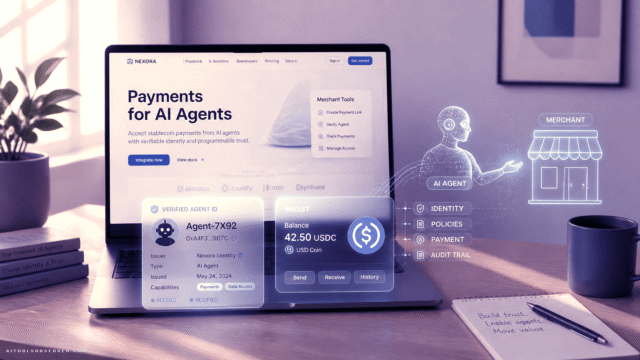
The bigger trend: agentic commerce is moving from theory to practical use cases
“agentic commerce” can sound abstract until you look at travel. Then it becomes easy to understand.
A traveler has a goal. The AI gathers options, narrows decisions, completes administrative steps, and prepares a transaction for approval. That is agentic commerce in a form normal users can grasp immediately.
Travel makes the concept tangible because the workflow is familiar and the pain points are obvious. The category gives large platforms a realistic way to train users into a new behavior: letting AI do the work between intent and checkout.
That is why this shift is worth watching even if you do not work in travel. Travel may simply be one of the first places where agentic buying behavior becomes normal.
Where these tools can genuinely help travelers
The practical value of AI travel assistants is less about “finding hidden gems” and more about reducing friction across repeated tasks.
The strongest use cases appear to be:
Price and availability monitoring
Watching airfares, room rates, and points-based options takes time. AI systems are well suited to repetitive monitoring and alert-style assistance.
Itinerary assembly
Trips often live across emails, group chats, screenshots, and notes. AI planners that can consolidate details into a usable itinerary solve a real organizational problem.
Group trip coordination
Group travel creates extra drag because plans change constantly. Tools that summarize conversations, structure options, and keep everyone aligned can remove a lot of back-and-forth.
Form filling and booking prep
A surprising amount of travel friction comes from re-entering passenger details, payment information, and preferences. This is exactly the kind of administrative work users are happy to delegate if trust is high enough.
Where friction and risk still remain
The rise of agentic AI travel tools does not mean the experience is solved. It just means companies are aiming at a more meaningful problem than simple trip inspiration.
Several issues still matter:
- trust in recommendations and booking logic
- transparency around why options are prioritized
- error handling when dates, names, or locations are wrong
- policy clarity on cancellations, refunds, and changes
- privacy concerns around personal preferences, calendars, and payment-related workflows
There is also a practical limit to automation in travel. Some decisions are emotional, not just logistical. A family vacation, honeymoon, or once-a-year international trip is not only about optimizing convenience. People often want to browse, compare, and feel confident in their choice.
So the likely near-term winner is not the fully autonomous travel bot. It is the assistant that removes admin while leaving room for human judgment.
What founders, marketers, and AI adopters should pay attention to
If you build or evaluate AI tools, travel offers a strong blueprint for where agentic products gain traction first.
Look for categories with these characteristics:
- multi-step workflows
- high repetition
- structured rules and constraints
- fragmented interfaces
- clear transactional outcomes
- a user desire to save time without giving up control
That is why the travel shift matters beyond airlines and hotels. It shows what happens when AI stops being a content layer and starts becoming an execution layer.
For marketers, it also suggests that discovery paths may change. If AI assistants intermediate more of the trip planning journey, brands may need to think less about ranking for isolated queries and more about being legible to AI-driven selection systems.
For product teams, the takeaway is even simpler: users do not just want answers. They want completed work.
What to watch next
The most important question is not which company has the flashiest assistant. It is which one can connect planning, coordination, and transaction steps with the least friction.
Watch for signs of progress in:
- cross-platform trip continuity
- better handling of loyalty programs and rewards
- clearer approval workflows before purchases
- stronger support for trip changes after booking
- more useful group travel coordination
- better explanation of why the AI chose a route, hotel, or schedule
Those are the indicators that an AI travel tool is becoming truly agentic instead of simply conversational.
The takeaway
Travel is emerging as one of the first practical arenas where agentic AI can prove real consumer value. Google, Meta, Expedia, and Booking.com are all approaching the problem from different angles, but the direction is the same: less manual coordination, fewer disconnected steps, and more AI-assisted execution between trip idea and booked itinerary.
If you are comparing AI tools or trying to understand where agentic commerce becomes real first, watch travel closely. It is one of the clearest signals that the next wave of AI products will not just recommend what to do. They will increasingly help get it done.






Comments (0) No comments yet
Want to join this discussion? Login or Register.
No comments yet. Be the first to share your thoughts!