



What Navan’s MCP Actually Does

The core idea is straightforward: instead of logging into a dashboard to pull reports, you query an AI interface you already use. Ask it to surface out-of-policy bookings across global teams, or flag unapproved expenses over $500 from a specific quarter, and the AI pulls that data directly from Navan’s platform.
The initial release is read-only. That means you can analyze, query, and review—but not yet take action through the AI interface. Navan has been explicit that write-access capabilities are coming, including approving expenses, updating travel policies, and booking travel directly within tools like Claude or ChatGPT.
This distinction matters. Read-only is a deliberate starting point, not a limitation. It lets enterprises get comfortable with AI-driven data access before opening up transactional controls.
Why This Is Worth Paying Attention To
Navan isn’t just building a feature. This launch is part of a broader distribution strategy the company calls “Navan Anywhere”—the goal being to embed its platform into the workflows enterprises already run, rather than requiring users to context-switch into a separate tool.
That’s a smart play. The biggest friction in enterprise software adoption isn’t the software itself—it’s getting people to use it consistently. If a finance manager can query Navan data from inside the AI tool they already have open, adoption becomes a non-issue.
The company also has a real data advantage here. Navan cited over a decade of proprietary travel and expense data as the foundation for the MCP, which gives the protocol meaningful context-awareness compared to a generic integration. When you ask about booking patterns or policy violations, the system understands the domain.
Who This Is Built For
The primary users are travel administrators and finance leaders at mid-to-large enterprises. These are people who currently spend time pulling reports, cross-referencing expense data, and chasing down policy exceptions manually.
With the MCP, a finance director could run a natural language query like “show me all hotel bookings above our preferred rate cap from Q1 that weren’t approved” and get structured results without touching a spreadsheet. That’s a real workflow improvement, not a demo use case.
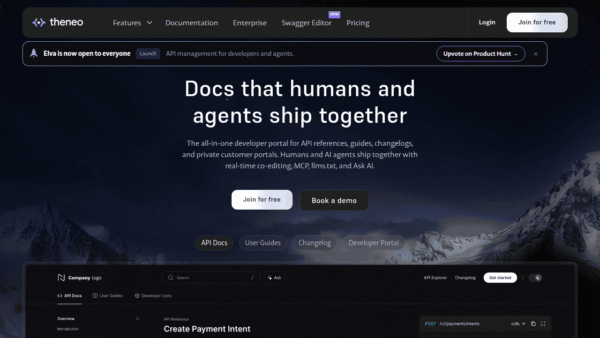
Developers and IT teams also have a clear path in. Navan has published technical documentation, onboarding guides, and prompt libraries through its Developer Portal, which lowers the barrier for teams that want to customize or extend the integration.
The Bigger Picture for Enterprise AI Adoption

Navan’s MCP launch reflects a pattern that’s accelerating across enterprise SaaS: platforms are racing to become AI-queryable. The companies that build clean, well-documented MCP integrations now will have a structural advantage as AI assistants become the default interface for knowledge work.
The Model Context Protocol itself—originally developed by Anthropic—is becoming a de facto standard for connecting AI models to external data sources. Navan adopting it signals that enterprise travel tech is no longer a laggard in the AI integration race.
With $765 million in trailing revenue, a 72% gross margin, and a stock that’s up roughly 49% over the past six months, Navan has the financial footing to invest seriously in this direction. The Smartrips acquisition in Brazil and the Enbridge partnership also suggest the company is expanding aggressively on multiple fronts simultaneously.
The Practical Takeaway
If your organization runs on Navan for travel and expense, this integration is worth activating now—even in read-only mode. Getting your team comfortable querying travel data through AI interfaces before write-access arrives is the right way to prepare for what comes next.
For AI tool observers more broadly, watch how quickly other expense and ERP platforms follow with their own MCP implementations. Navan just raised the bar for what “AI-ready” looks like in enterprise travel tech.












Comments (0) No comments yet
Want to join this discussion? Login or Register.
No comments yet. Be the first to share your thoughts!