


What the Tool Actually Does
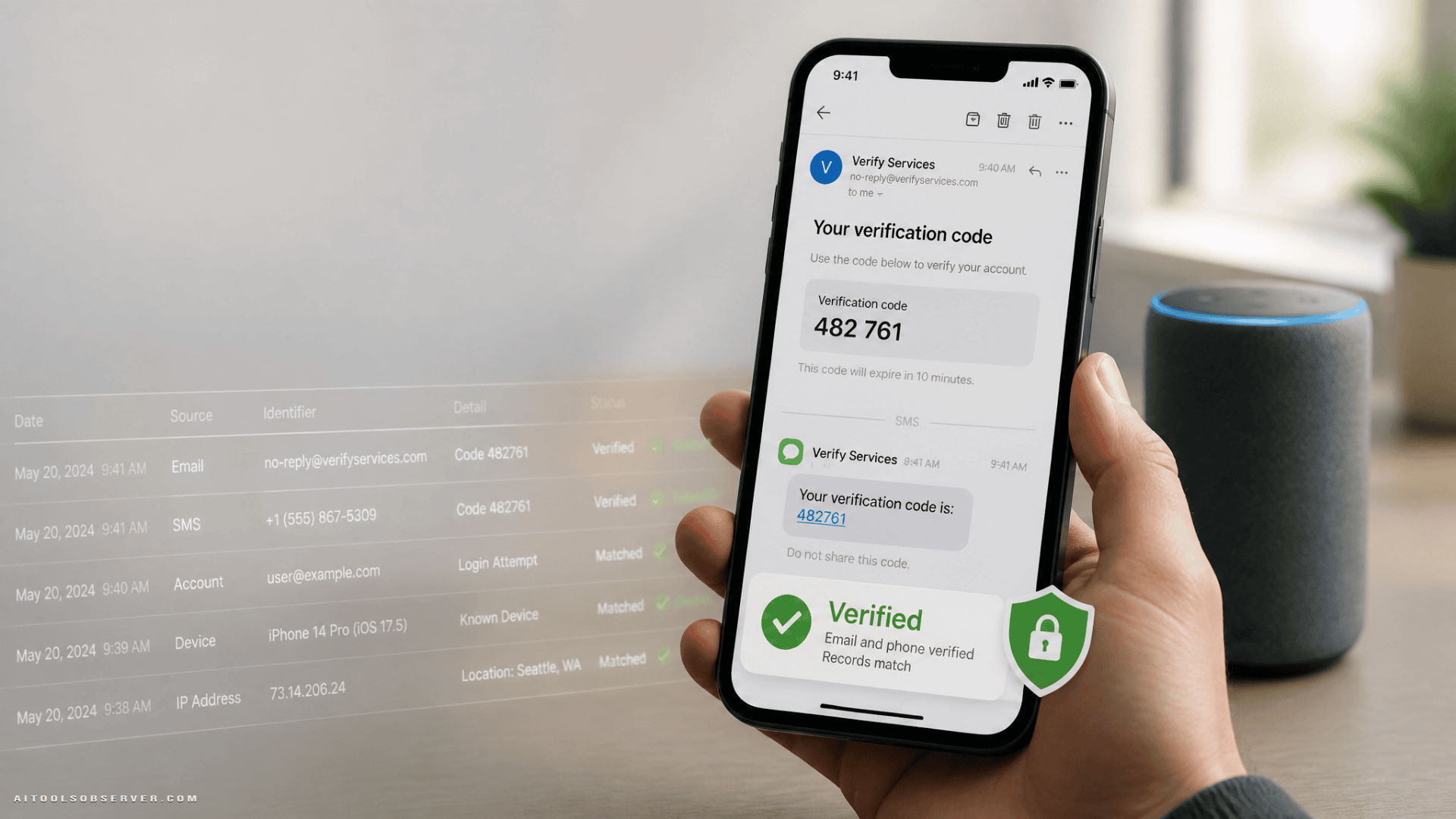
The feature allows Amazon customers to verify whether a specific email, text message, or phone call genuinely came from Amazon. Users describe the communication to Amazon’s AI shopping assistant, and the system cross-references those details against Amazon’s internal records of communications it actually sent.
The logic is straightforward. If Amazon has no record of sending you a particular message or placing a particular call, the answer is definitive: it did not come from them.
This extends to spoofed phone numbers, which is a meaningful detail. Even if a scammer manipulates caller ID to display an authentic-looking Amazon number, the internal records check would reveal that no call was actually initiated from Amazon’s side.
Why This Matters Now
According to Amazon’s head of scam prevention, over 360,000 customers contacted Amazon’s customer service in a single year asking whether a communication was genuinely from the company. That figure reflects both the scale of the problem and the confusion it creates for ordinary users.
Phishing attempts, fake delivery alerts, and account verification scams have become sophisticated enough that visual inspection alone is no longer reliable. A tool that checks against source records rather than relying on user judgment addresses the problem at a more structural level.
How to Access It
Customers can use the feature by logging into their Amazon account and navigating to Alexa for Shopping. The AI assistant handles the verification query directly from there.
What Amazon Says It Will Never Do
Amazon has also restated several firm boundaries that can serve as independent red flags:
- Amazon will never ask customers to pay for anything over the phone.
- Amazon will never request payment via gift card.
- Amazon will never ask customers to download software as part of a support interaction.
If any communication asks for these things, it is fraudulent regardless of how convincing it appears.
The Practical Takeaway
This tool is most useful in the moment of doubt — when you have received something that looks plausible but feels slightly off. Rather than making a judgment call under pressure, you can log in and get a direct answer before taking any action.
The broader implication is also worth noting: as scam communications become harder to distinguish from legitimate ones, verification tools that operate on internal records rather than surface-level signals represent a more durable approach to consumer protection. Amazon’s implementation appears to be a practical step in that direction, even if it only covers its own communications ecosystem.








Comments (0) No comments yet
Want to join this discussion? Login or Register.
No comments yet. Be the first to share your thoughts!