


What Sonnet 5.5 Actually Does
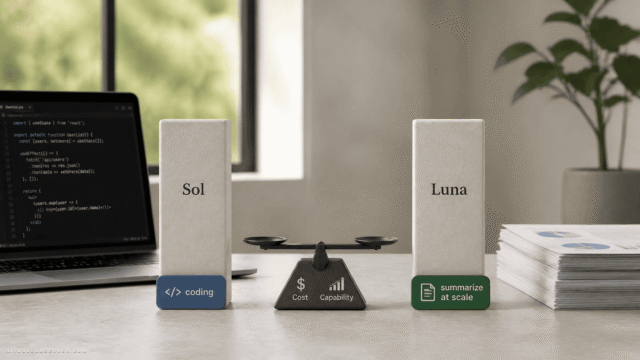
Anthropic describes Sonnet 5.5 as optimized for three core use cases: coding, scoped task completion, and document creation—think polished slides, spreadsheets, and structured reports. It is not intended to compete with Opus 5.5 on reasoning depth or complex judgment calls.
As Anthropic’s research product manager Theo Chu put it, Sonnet is for “routine tasks that just need execution.” That framing is useful. It tells you exactly when to reach for it and when not to.
The model also requires fewer tokens per task compared to its predecessor, which compounds the cost advantage beyond the headline price.
Pricing and Availability
The numbers are straightforward:
- Input: $2 per million tokens
- Output: $10 per million tokens
- That is half the price of Opus 5.5
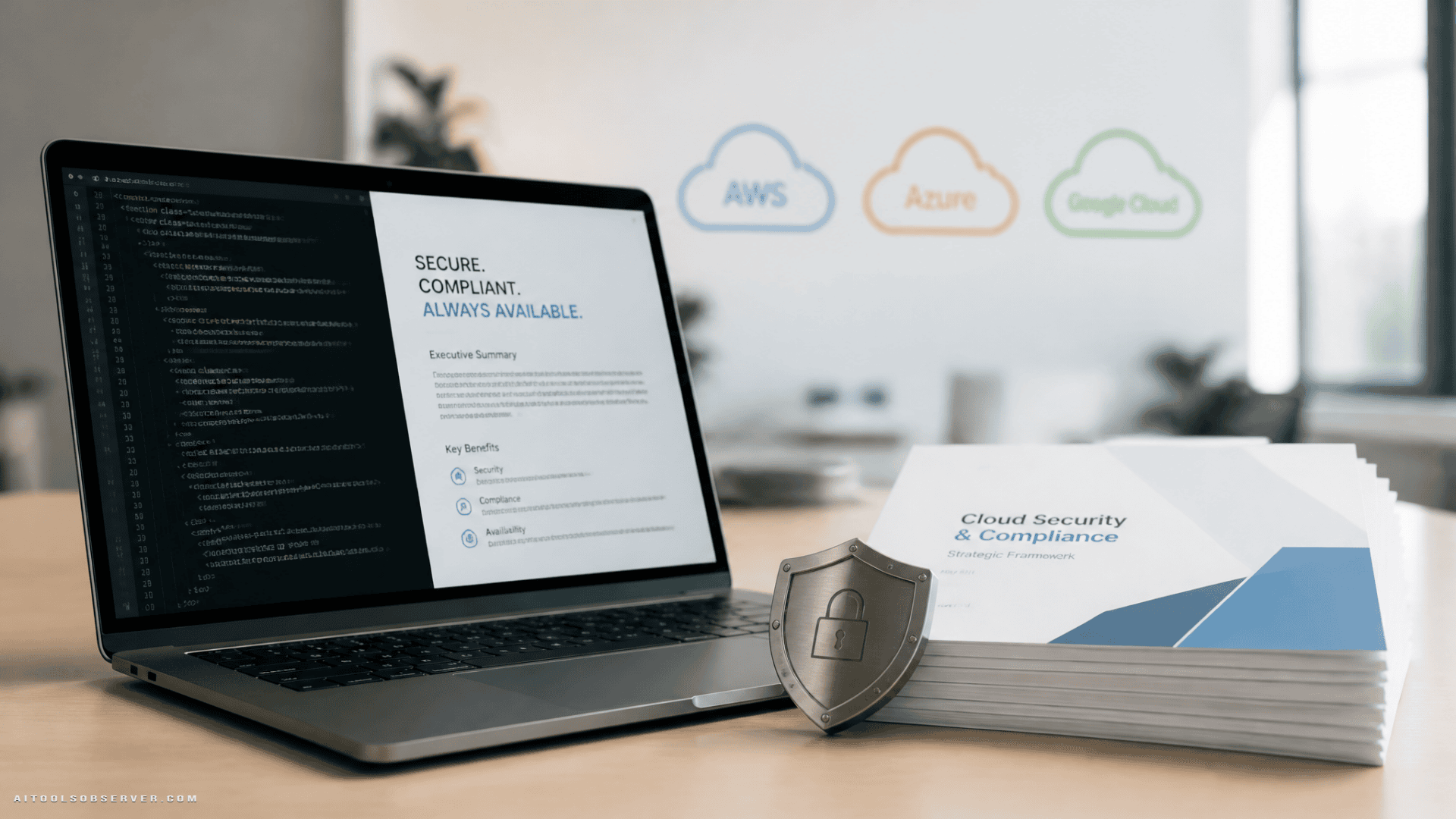
Sonnet 5.5 is available across all major cloud platforms—AWS, Google Cloud, and Microsoft Azure—making enterprise adoption relatively frictionless for teams already embedded in those ecosystems.
A third model, Haiku 5.5, is described as coming soon and will represent the cheapest tier in the suite.
The Safety Angle Is More Substantive Than Usual
Anthropic is careful to note that Sonnet 5.5 does not advance the frontier of model capabilities. That matters for how it was tested: alignment work focused on a targeted set of risks applicable to models at any capability level, rather than the more intensive evaluation reserved for frontier systems.
However, one area received elevated attention. Anthropic says Sonnet 5.5 carries a “large improvement” in cybersecurity capabilities over its predecessor—significant enough that it is the first Sonnet-tier model to ship with the same fallbacks and cyber safeguards previously reserved for Anthropic’s most capable models.
Given the current scrutiny on AI safety practices across the industry, that is a meaningful signal. It suggests Anthropic is applying frontier-grade security controls more broadly across its model tiers, not just at the top end.
Who This Is Actually For
Sonnet 5.5 fits a specific profile well:
- Developers running high-volume coding tasks who need reliable output without paying Opus-level prices
- Enterprise teams building document automation workflows at scale
- Organizations already on AWS, Google Cloud, or Azure who want a drop-in model with strong safety credentials
- Cost-sensitive deployments where inference volume makes token pricing a primary constraint
It is not the right choice if your use case demands nuanced reasoning, complex multi-step judgment, or frontier-level intelligence. For those scenarios, Opus 5.5 remains the intended option.
The Practical Takeaway
Sonnet 5.5 is a well-scoped release. It does not try to be everything. The pricing is competitive, the cloud availability is broad, and the cybersecurity safeguards represent a genuine upgrade over the previous Sonnet tier. For teams running routine but high-volume AI workloads, it is worth evaluating—particularly if token costs have been a friction point with earlier models.
The arrival of Haiku 5.5 will complete the three-tier picture. Until then, Sonnet 5.5 occupies the practical middle ground where most production workloads actually live.












Comments (0) No comments yet
Want to join this discussion? Login or Register.
No comments yet. Be the first to share your thoughts!