



The Integration Problem Nobody Wants to Admit
AI doesn’t work well in isolation. A model is only as useful as the data it can see—and if that data is siloed across six vendors, the recommendations it produces are going to reflect that fragmentation.
This is where platform breadth starts to look less like vendor lock-in and more like a genuine technical advantage. When AI has access to unified, clean data across the IT environment, it can surface context that a point solution simply can’t. A tool that only sees one slice of your stack will give you one-slice answers.
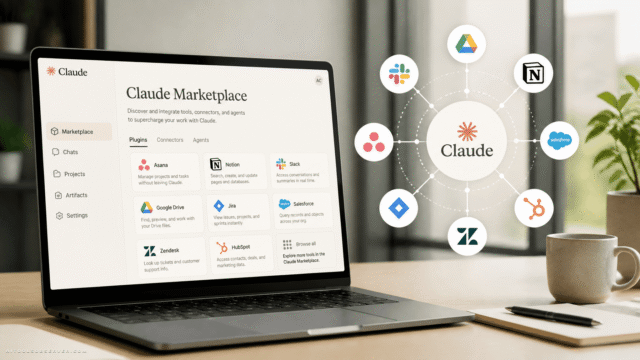
That said, “just consolidate everything” is not the insight here. The real question is whether your current architecture lets AI outputs land inside the workflows where people actually work—or whether it creates yet another tab to check.
Evaluate AI Like Any Other Investment
There’s a temptation to treat AI features as a category of their own—something to be assessed by capability benchmarks, model comparisons, or demo impressiveness. That’s a trap.
A more useful frame: what business outcome does this solve, what does success look like, and what’s the baseline you’re measuring against? Without that, you’re not evaluating AI—you’re collecting it.
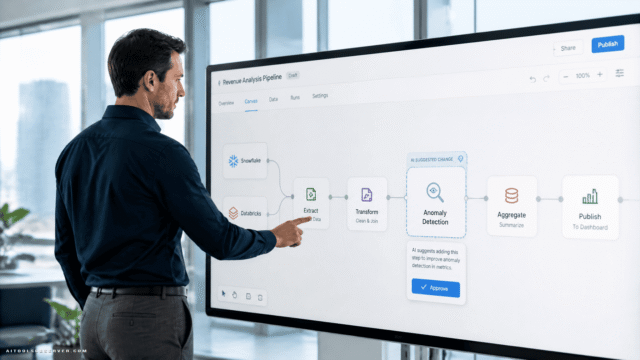
This applies equally to platform decisions. A consolidated suite that embeds AI into daily workflows may deliver more measurable value than a best-of-breed stack with a bolted-on AI layer, even if the individual point solutions score higher on feature checklists.
Best-of-Breed Isn’t Dead—It’s Just Under More Scrutiny
Market competition still drives innovation. Different organizations have genuinely different needs. And locking into a single vendor’s AI model at a moment when the model landscape is shifting every few months carries its own risks.
The smarter position appears to be: evaluate integration quality as a first-class criterion, not an afterthought. Ask how data moves between systems. Ask whether AI outputs reduce steps or add them. Ask whether the vendor’s AI roadmap depends on a single model or gives you flexibility as the ecosystem evolves.
A few practical questions worth asking before any software decision:
- Does this tool embed into workflows employees already use, or does it require a context switch?
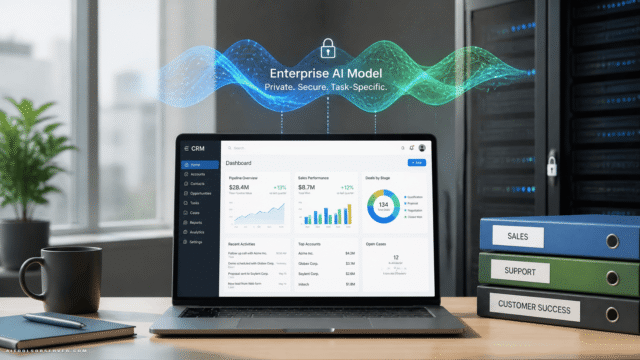
- What data does the AI actually have access to—and how clean is it?
- Can you measure the outcome this is supposed to improve, and do you have a baseline?
- How dependent is this on a single AI model or provider?
The Real Shift
The platform-versus-point-solution debate is becoming less about architecture religion and more about outcomes accountability. AI has raised the stakes for integration quality and data hygiene in ways that make the old “best tool for each job” logic harder to defend on its own.
The IT leaders navigating this well aren’t picking a side. They’re asking sharper questions about where AI actually fits in their environment—and whether it’s making work faster or just more complicated.
That’s a better use of the scrutiny than any vendor comparison matrix.










Comments (0) No comments yet
Want to join this discussion? Login or Register.
No comments yet. Be the first to share your thoughts!