



The Pattern Is Hard to Ignore
The BBC spoke to more than 60 women aged 40 to 65 — most with decades of senior experience — who described the same loop: submit CV, receive automated rejection or nothing, repeat. Koeyli Jaluka, 49, applied to 442 jobs after being made redundant. Anna Cowie, 52, had a 30-year career in advertising and is now on jobseeker’s allowance.
These aren’t entry-level candidates struggling to break in. These are people who, until recently, were being headhunted.
Something changed. And AI-powered screening tools are a credible part of the explanation.
How the Screening Works Against Them
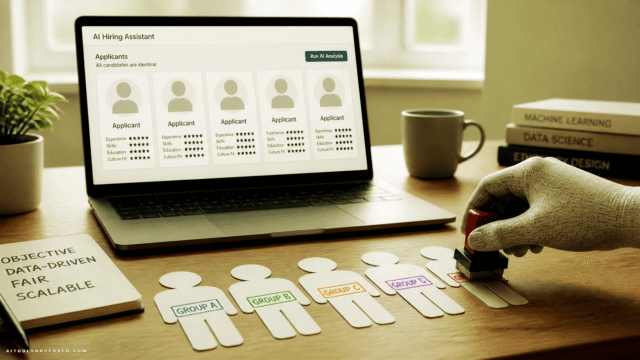
AI-powered screening tools typically score or rank CVs before a human ever sees them. The problem is what those systems are trained to reward — and penalise.
A few patterns worth knowing:
- Career gaps — common among women who took time out for childcare — can be flagged negatively by screening tools
- Long work histories signal experience to a human recruiter, but can signal age (and cost) to an algorithm
- Narrow job description matching may filter out candidates with broad, transferable skills that don’t map neatly to keywords
One tool, according to AI lawyer Laura Holden, grades CVs from A to D and flags things like a seven-year career gap as “a thing to note.” Another scores video interviews. Neither approach is great at recognising what an experienced person returning from a break actually brings.
Career coaches are already advising women to “shave off” the first decade of their work history just to avoid triggering filters. Stacey Duguid calls it “Botoxing” her CV.
The Transparency Problem
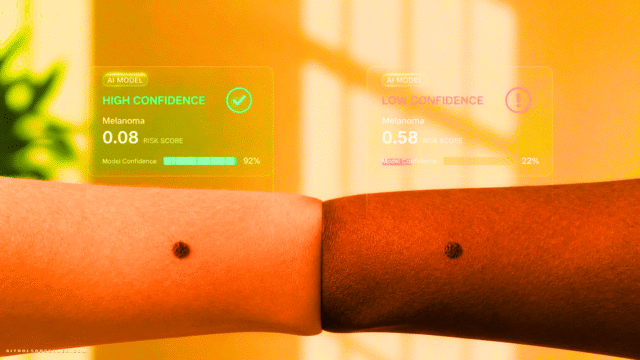
Here’s the structural issue: most employers don’t disclose whether AI tools played a role in a rejection. That makes it nearly impossible to prove bias in any individual case — and easy for providers to claim their tools are neutral.
Holden argues that many companies don’t fully understand how the tools they’re using actually work. Providers are, in her words, “very quick” to claim their tools reduce bias, while designing them in ways that encourage mass rejection based on AI-generated scores.
Dr Eleanor Drage, a senior researcher at Cambridge, puts it more bluntly: the logic these tools operate by is “completely faulty.” They can’t assess personality, adaptability, or the value someone brings back from a career break. Human recruiters, imperfect as they are, can.
The Bigger Picture
The City of London Women Pivoting to Digital Taskforce estimates AI and automation could displace hundreds of thousands of women’s jobs by 2035. In a survey of over 1,000 women, 68% said their employer had not offered them the opportunity to retrain or transition into digital roles.
That’s a compounding problem. AI is both screening experienced women out of new jobs and replacing the jobs they already have — while the retraining pipeline sits largely empty.
Caroline Haines, chair of the taskforce, frames it as an economic issue, not just a fairness one: “When the country is desperate for economic growth, we need to use whatever resource we have.”
What the Industry Says
Workday, one of the major players in AI-powered HR software, is currently facing a lawsuit in California alleging discriminatory screening practices. The company denies the claims and says its tools support rather than replace human judgement, are “rigorously tested,” and do not consider age or gender.
The UK government’s position is that existing equality and data protection law already applies to AI systems, with a note that it will “act where additional protections are needed.”
That’s a fairly cautious stance given the scale of what’s being described.
What Actually Seems to Help
Anna Cowie found that networking with real people — being “seen as a human and not just lines on paper” — worked far better than submitting CVs into automated systems. That’s not a scalable fix, but it’s an honest one.
Some London-based companies have reportedly stopped using AI recruitment tools altogether over bias concerns. That’s a signal worth paying attention to.
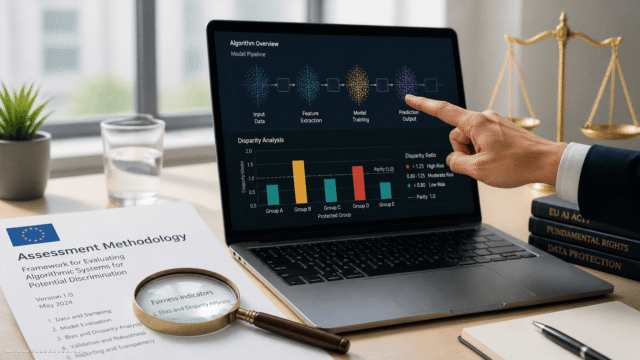
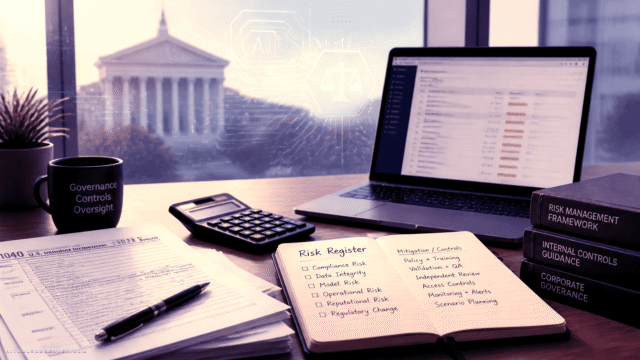
If you’re evaluating AI hiring tools — whether you’re a recruiter, an HR lead, or someone building a tech stack — the useful question isn’t just “does this tool reduce bias?” It’s: can you actually see how it makes decisions, and who does it systematically miss?
Tools that can’t answer that question clearly probably shouldn’t be the first filter between a candidate and a human conversation.








Comments (0) No comments yet
Want to join this discussion? Login or Register.
No comments yet. Be the first to share your thoughts!