



The real headline: capex is moving before strategy decks catch up
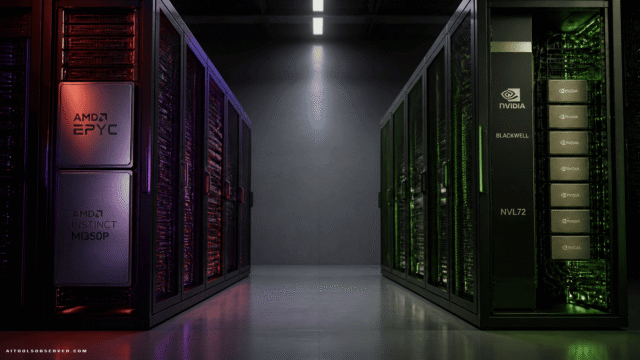
IBM’s preannounced results came in below expectations, and the explanation matters more than the miss itself. The company pointed to customers shifting quarterly spending toward infrastructure needed to secure AI capacity.
That is a useful signal for anyone watching enterprise AI adoption. Budgets are not simply “adding AI.” They are being reallocated toward the layers required to run it.
And those layers are not glamorous:
- Servers
- Storage
- Memory
- Supply access
The infrastructure war is often less about vision and more about who got the purchase order approved first.
Why mainframes lost this round
Mainframes are not suddenly irrelevant. But they are very much competing for budget.
IBM had expected a modest decline in its z17 mainframe business for the quarter. Instead, the drop was sharper, with the company suggesting that supply constraints and expected price increases pushed customers to lock in AI-related infrastructure purchases first.
That matters because enterprise budgets are finite, even when AI is the priority. If buyers believe memory will get tighter or more expensive, they tend to act like buyers everywhere: they grab the scarce thing now and postpone the rest.
So the issue is not “AI replaces mainframes” in one dramatic move. It’s more mundane, and more important: AI infrastructure is becoming the line item that jumps the queue.
This is what AI adoption looks like in big companies
A lot of AI coverage focuses on apps, copilots, and demos. Fair enough. Those are visible.
But in enterprises, adoption often starts lower in the stack. Before teams can scale AI tools internally, someone needs to sort out compute, storage, memory, and deployment capacity. The exciting product demo tends to arrive after the boring hardware conversation.
That’s why IBM’s explanation is useful. It shows that AI adoption is affecting not just software roadmaps, but the timing of enterprise capital expenditure.
In plain English: the money is moving upstream.
The memory shortage angle is not a side note
Shortages change behavior fast.
When supply is constrained, enterprises do not shop calmly. They reprioritize. They buy defensively. They secure what may become harder to get later. That can distort a quarter, but it can also reveal what the market considers essential.
IBM’s commentary suggests that memory and infrastructure availability became important enough to redirect spending in the final weeks of the quarter. That is not a minor seasonal wobble. That’s a sign of pressure in the system.
For AI tool buyers and builders, the implication is simple: software demand does not exist in a vacuum. If hardware bottlenecks tighten, deployment timelines, pricing, and vendor choices can all shift.
Why this matters beyond IBM
IBM’s stock reaction grabbed attention, but the broader pattern is the bigger story. Other major enterprise-facing companies have also had a rough year, which suggests the market is wrestling with a larger reset around AI spending priorities.
The key idea is not that legacy vendors are doomed. It’s that enterprise customers are actively reshuffling where dollars go first.
That creates three immediate effects:
- Some traditional categories get delayed even if they remain important.
- AI infrastructure vendors gain leverage because demand is urgent.
- Software vendors have to prove they are close enough to ROI to avoid being bumped by hardware needs.
If you sell into enterprises, “we help with AI” is no longer enough. You also need to answer: why should your budget survive a quarter where infrastructure spend suddenly becomes non-negotiable?
If you build AI tools
Expect more scrutiny on deployment readiness. Enterprises may love your workflow, but if their infrastructure plan is in flux, your rollout may stall.
The safer position is to align with budget momentum. Tools that help teams use already-approved AI infrastructure are easier to justify than tools that require a separate leap of faith.
If you sell software to enterprises
Assume budget competition is tougher than it looks. You may not be losing to a direct competitor. You may be losing to a storage purchase.
That means messaging should get less abstract and more operational. Tie your value to cost control, throughput, risk reduction, or measurable workflow gains. Nice-to-have is where budgets go to nap.
If you’re buying AI tools
Ask one extra question before comparing features: does this tool fit the infrastructure reality my company is actually funding?
A tool can be excellent and still be badly timed. The shortlist should include not just capability, but deployability under current capex priorities.
The tool ecosystem effect: more pressure on practical AI
Ai tools do not live above the infrastructure layer. They inherit its constraints.
When enterprises spend heavily on AI servers and memory, they start looking for tools that can make that investment productive fast. That usually favors products tied to clear workflows:
- Internal knowledge retrieval
- Customer support automation
- Coding assistance
- Document processing
- Analytics acceleration
In other words, the market tends to reward tools that convert expensive infrastructure into visible output.
This is not great news for vague AI positioning. It is better news for tools with narrow use cases, short setup paths, and evidence of adoption inside existing systems.
Don’t overread one quarter — but don’t ignore the signal
One ugly quarter does not erase an entire business category. Mainframes are not vanishing because one budget cycle got hijacked by AI hardware demand.
Still, the signal is hard to miss. Enterprise buyers appear willing to delay familiar spending in order to secure the infrastructure needed for AI workloads. That changes the competitive map for vendors across software, hardware, and services.
The quiet lesson here: AI adoption is no longer just a product trend. It is a capital allocation trend.
What to do with this signal
If you are comparing AI tools, don’t just ask which product looks smartest. Ask which products are aligned with where enterprise budgets are actually moving.
Right now, the money appears to be flowing toward infrastructure first and tools that justify that infrastructure second. The vendors most likely to win are the ones that fit that sequence, not the ones with the loudest AI label.













Comments (0) No comments yet
Want to join this discussion? Login or Register.
No comments yet. Be the first to share your thoughts!