


The Gap Between Supply and Demand
When employers post more AI-related roles than candidates are actively seeking, the competition for those positions thins out. Workers who can credibly demonstrate AI tool experience — even at a practical, non-specialist level — are entering a less crowded field.
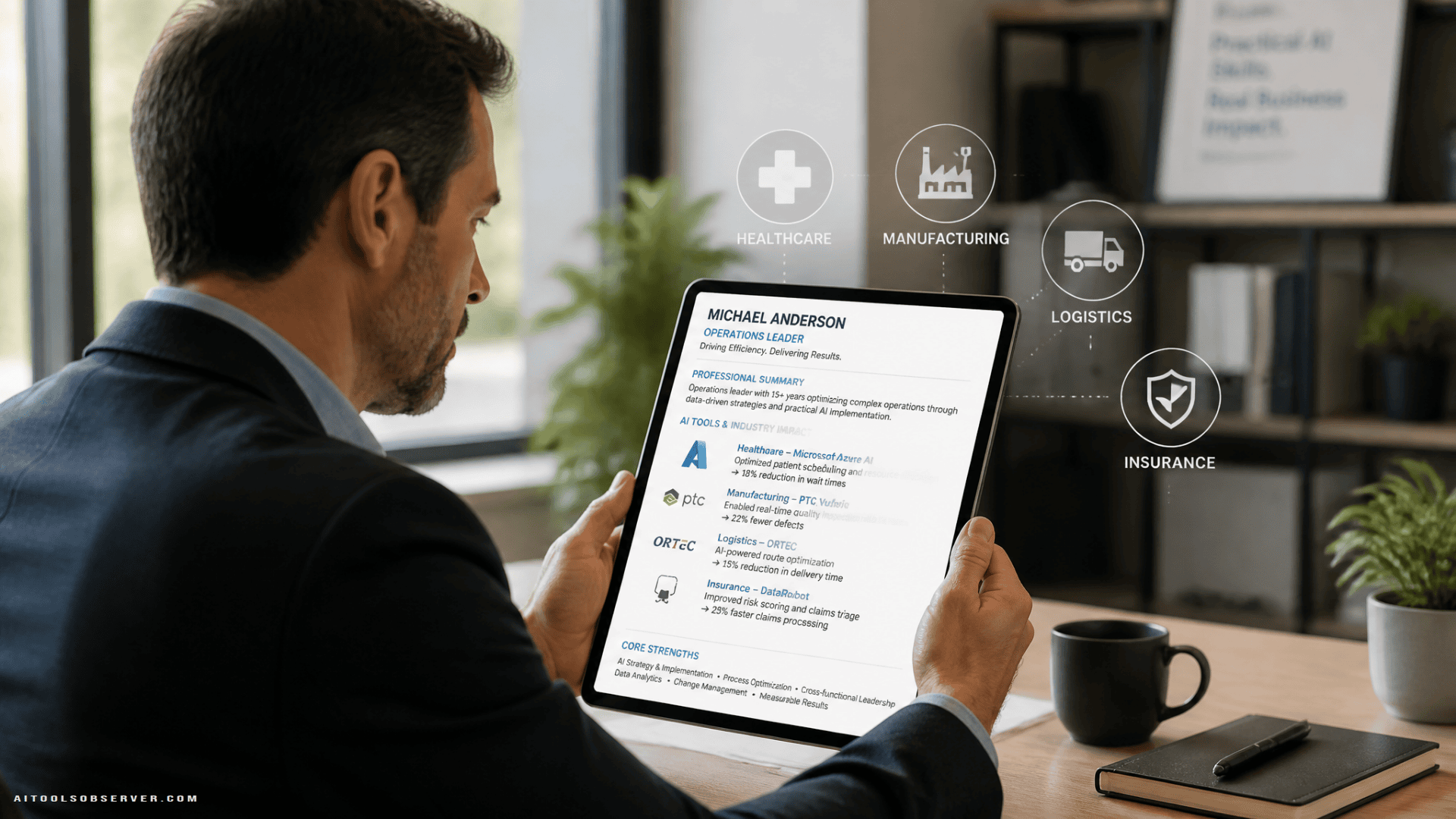
This dynamic is particularly relevant outside major tech hubs. AI adoption is spreading into healthcare, manufacturing, insurance, and logistics, sectors where the workforce has not historically been expected to engage with AI tooling. That is changing quickly.
What Employers Are Actually Looking For
The key insight from Indeed’s workplace trends analysis is that employers are not demanding comprehensive AI expertise. They are looking for adaptability and demonstrated familiarity with tools that are relevant to their specific industry.
This distinction matters. A logistics coordinator does not need to understand large language model architecture. They need to show they have used route optimization or demand forecasting tools, understand what those tools do, and can speak to the practical impact.
Specificity is the differentiator. Vague claims about “AI experience” carry little weight. Concrete examples — which tools, in which context, with what measurable result — are what move an application forward.
Where the Productivity Signal Is Strongest
Indeed’s data includes a concrete productivity benchmark worth noting: engineers using AI tools saved up to four hours per week in one tracked study. That figure is useful not because it applies universally, but because it illustrates the kind of outcome employers want to hear about.
Candidates who can frame their AI tool use in terms of time saved, errors reduced, or throughput improved are speaking the language of hiring managers. The productivity argument is more persuasive than the novelty argument.
Healthcare
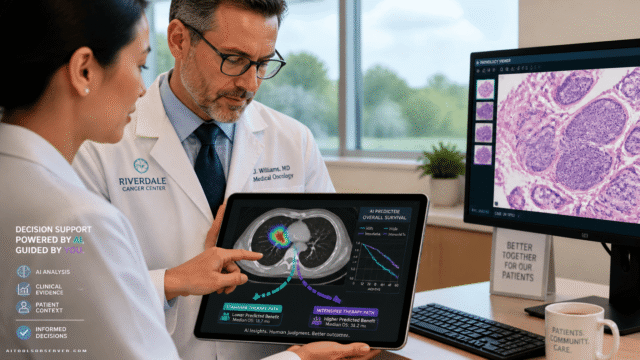
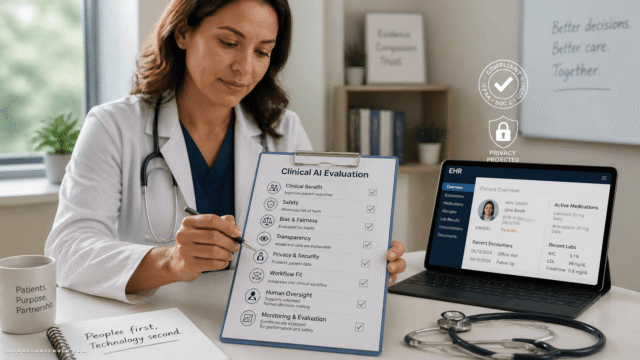
AI tools in healthcare are increasingly present in documentation, scheduling, and diagnostic support workflows. Candidates who can reference experience with clinical AI assistants or administrative automation tools — and articulate how those tools affected their workload — are positioned ahead of peers who cannot.
Manufacturing and Logistics
Predictive maintenance, inventory management, and route optimization are active AI application areas in these sectors. Familiarity with the tools used in these workflows, even at a user level, is a differentiating credential.
Manufacturing and logistics continue to show where practical AI use can become a meaningful signal for employers.
Insurance
Underwriting support, claims processing, and fraud detection are seeing AI integration. Candidates who understand how AI tools fit into these workflows, and who have used them in any capacity, are ahead of the baseline.
How to Signal AI Competence on a Resume
The guidance from Indeed’s analysis is straightforward and actionable:
- Name the tools explicitly. Generic references to “AI experience” are weak. Specific tool names are strong.
- Describe the context. Where was the tool used? In what workflow or role?
- Quantify the impact. Time saved, volume handled, errors reduced — any measurable outcome strengthens the claim.
- Include completed courses. Formal learning signals intentionality, even if the course was short.
Public profiles that are kept current also appear to improve visibility to recruiters significantly, based on the available context — a detail worth acting on for candidates using platform-based job search tools.
Resume tailoring can help candidates present this experience with more precision.
Using AI in the Job Search Itself
There is a practical entry point for candidates who feel uncertain about AI tools: use them in the job search process. Resume tailoring, cover letter drafting, interview preparation, and job description analysis are all tasks where AI tools add measurable value.
This approach serves two purposes. It builds genuine familiarity with AI tooling in a low-stakes environment. And it creates a concrete, honest talking point for interviews — one that demonstrates both initiative and practical experience.
The Practical Takeaway
The candidates who will benefit most from this trend are not those who pursue broad AI literacy for its own sake. They are the ones who identify the two or three tools most relevant to their specific industry, build real working experience with them, and communicate that experience with precision on their resume and in interviews.
The gap between AI job postings and AI job seekers is an advantage — but only for candidates who move before it closes.
This trend rewards practical readiness more than abstract familiarity.








Comments (0) No comments yet
Want to join this discussion? Login or Register.
No comments yet. Be the first to share your thoughts!