



What Miasma Actually Does

This wasn’t a phishing email. No fake bank login. No suspicious attachment from a stranger.
The attack was quieter than that. In some cases, the malware could execute simply by cloning an infected repository and opening it inside a popular AI coding tool. The developer didn’t have to do anything wrong. They just did what developers do every day.
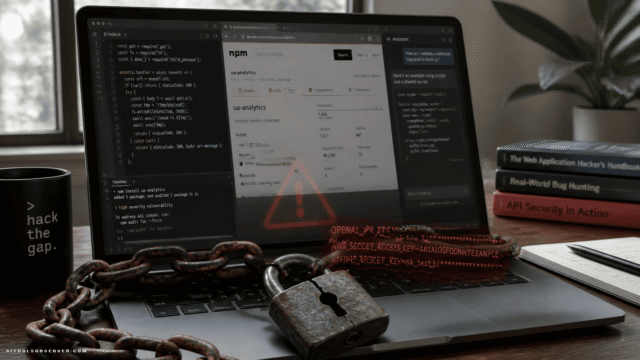
Once active, Miasma went hunting for the things developers carry on their machines: GitHub tokens, SSH keys, cloud credentials, passwords, CI/CD secrets. The kind of access that doesn’t just compromise one laptop — it compromises everything that laptop could reach.
Microsoft spokesperson Ben Hope confirmed the company “temporarily removed some repositories” while investigating. Some came back online after review. Others stayed dark.
Why AI Developers Were the Target
Here’s the uncomfortable truth: AI developers are extraordinarily valuable targets right now.
A single developer workstation in 2026 might hold simultaneous access to GitHub, Azure, Google Cloud, npm, PyPI, multiple API keys, model providers, and internal company infrastructure. That’s not one door. That’s a master key ring.
Cloudsmith’s analysis shows the attackers understood exactly where they were aiming. The confirmed affected environments — Claude Code, Gemini CLI, VS Code, Cursor — aren’t random. These are the tools that sit closest to sensitive code, live credentials, and automated build pipelines.
Attackers didn’t want the app. They wanted the tools used to build the app.
This Is a Supply-Chain Attack. The Scope Is Bigger Than Microsoft.

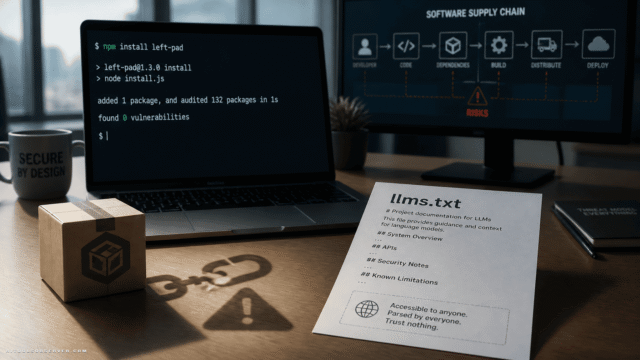
Supply-chain attacks are elegant in the worst possible way. Instead of breaking into a thousand companies individually, you poison one shared resource and let trust do the rest.
Cloudsmith noted that Miasma didn’t exploit a simple GitHub bug. It abused the trust model behind modern software development — legitimate maintainer credentials, workflow systems, the assumption that a verified repo from a recognizable name is safe to clone.
This follows a pattern that’s accelerating. A poisoned Mistral AI package surfaced recently with similar goals: hunting cloud keys, GitHub tokens, and password vault secrets. The theme is consistent. AI-adjacent developer tools are now a primary attack surface, not a secondary one.
If your team pulls open-source code quickly — and most teams do — this is your problem too.
A Note for Teams Moving Fast
Startups, agencies, and small tech teams often operate with lean security practices. That’s not a criticism — it’s a resource reality. But it creates compounding risk when supply-chain attacks hit shared infrastructure.
One compromised developer machine can cascade into customer databases, payment systems, cloud dashboards, or private source code. For teams working with regulated industries — fintech, health, government — a developer incident can escalate into a business crisis faster than any incident response plan anticipates.
Speed is a competitive advantage. It’s also the attack surface.
What to Do Right Now
No need to spiral. But treat this as a real signal, not background noise.
Immediate actions worth taking:
- GitHub tokens and SSH keys — rotate them, especially on machines that cloned Microsoft repositories recently
- Azure and GCP credentials — revoke anything that could have been exposed
- CI/CD pipelines — audit build logs and environment secrets for unexpected activity
- Developer laptops — scan for unknown scripts or background processes tied to VS Code or AI coding CLIs
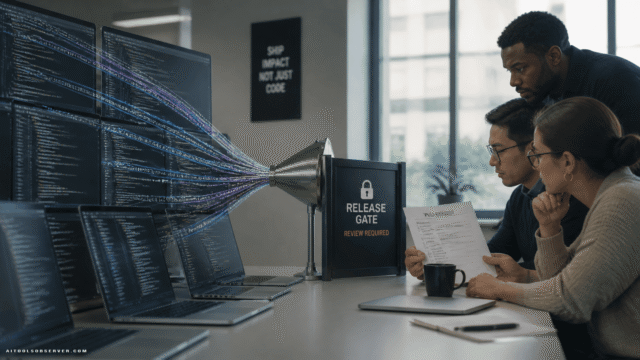
- Dependencies — enforce lockfiles, allowlists, and package review rules before anything new lands in your environment
Microsoft said it notified a small number of customers who may have downloaded affected content. “Small number” is doing a lot of work in that sentence. If you’re unsure whether your team is in scope, assume you should check anyway.
The Harder Question
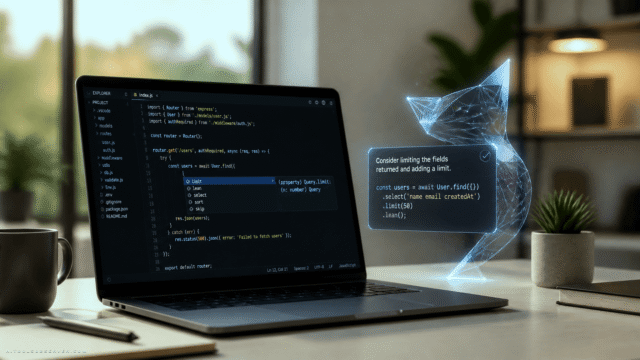
AI coding tools make developers dramatically faster. They also read code, open repositories, run commands, and operate inside trusted environments with broad permissions. That combination is powerful. It’s also exactly what makes them attractive to attackers.
The Microsoft incident is a reminder that open-source trust now requires more than a familiar logo or a verified repository name. Before pulling code into a machine, the question worth asking is simple but uncomfortable: who touched this, when, and what can it access?
Because the next significant breach might not start with a hacked production server. It might start with a repository someone opened on a Tuesday afternoon without thinking twice.
Observe what you clone. Choose what you trust.







Comments (0) No comments yet
Want to join this discussion? Login or Register.
No comments yet. Be the first to share your thoughts!