



The Core Finding
Roughly 44% of occupation-specific ChatGPT requests from U.S. business users involved tasks typically associated with a different profession. That figure comes from a sample of more than 800,000 work-related messages, with generic tasks like email drafting and scheduling stripped out.
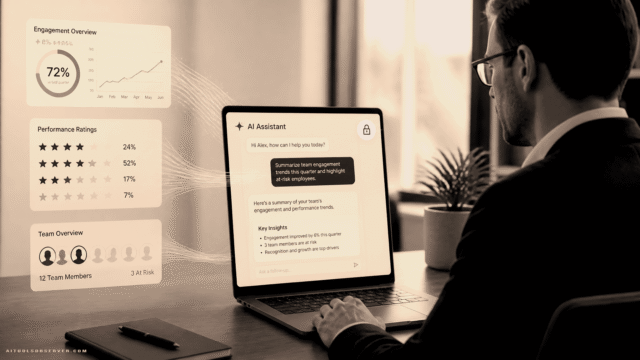
In other words: nearly half the time workers use ChatGPT for something role-specific, they’re reaching into someone else’s job description.
Who’s Crossing the Most Lines
Not all roles blur equally. Customer experience workers, designers, and HR professionals showed the highest crossover rates — roughly three-quarters of their occupation-specific prompts touched tasks more commonly owned by specialists elsewhere.
The work they’re reaching for includes:
- Creating marketing materials
- Troubleshooting software
- Performing financial calculations
- Explaining regulations
These aren’t edge cases. They’re core specialist functions.
Small Teams, Bigger Blurring
The crossover effect is more pronounced at smaller businesses. Nearly 19% of work-related ChatGPT requests at the smallest firms crossed occupational boundaries, compared to roughly 16% at larger ones.
That gap makes intuitive sense. When there’s no in-house lawyer, financial analyst, or UX researcher, workers improvise — and now they have a capable improvisation partner.
What This Doesn’t Tell Us (Yet)
OpenAI’s own researchers flag the limits clearly. The data doesn’t confirm whether AI is creating new cross-functional work or simply helping workers handle responsibilities they already carried informally. It also doesn’t measure output quality, productivity gains, or downstream hiring decisions.
So the finding is real, but the interpretation is still open.
Why Job Design Is the Slow-Moving Story
OpenAI chief economist Ronnie Chatterji puts it plainly: job boundaries are likely already becoming more flexible because of AI. The catch is that official labor market data won’t reflect this quickly.
Hiring titles, org charts, and salary bands tend to lag actual work patterns by years. The blurring may already be happening inside teams while the org structure still looks the same on paper.
The Practical Takeaway
If you’re managing a team or building one, the relevant question isn’t just “what does this person’s role require?” It’s “what can this person now reach with AI assistance?”
The division of labor is getting fuzzier. That’s not necessarily a problem — but it does mean job design, skill development, and hiring logic are all due for a rethink. Probably sooner than the org chart suggests.















Comments (0) No comments yet
Want to join this discussion? Login or Register.
No comments yet. Be the first to share your thoughts!