


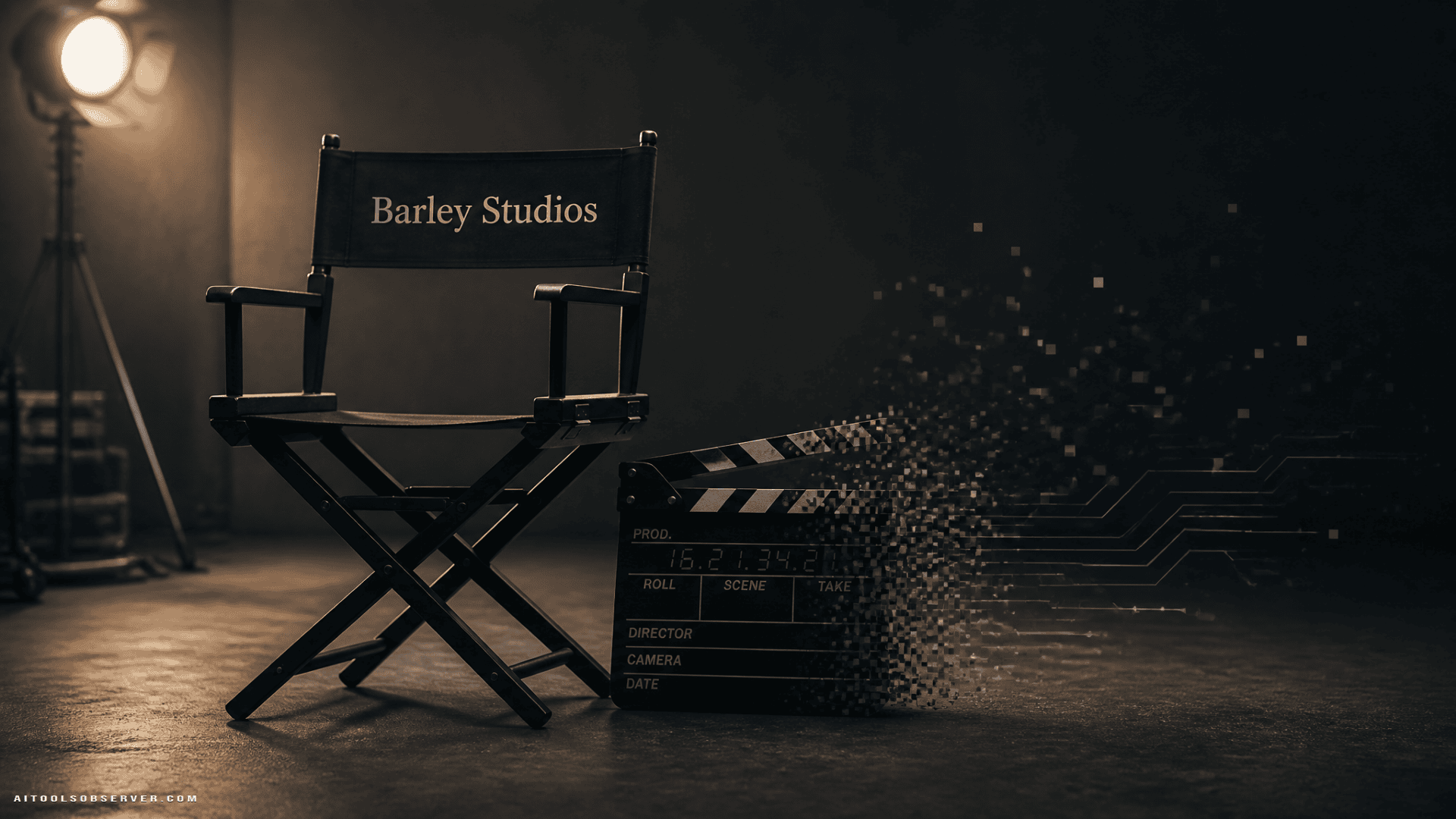
What Blomkamp Actually Made
Nightborne is set in the world of Peter Watts’ sci-fi novel Echopraxia — a story involving alien life, vampires, and zombies. Blomkamp directed it entirely through prompts inside Seedance 2.0. Thirty-two real people contributed their voices and likenesses under formal agreements, and human artists handled the concept work. The rest? Generated.
It’s a genuinely interesting production model. It’s also, by most accounts online, a rough watch.
The Backlash, Summarized
Comments across YouTube and X landed somewhere between disappointed and gleefully savage:
- “What a crazy fall from grace for such a beloved filmmaker.”
- “Even in the hands of an established director, AI slop looks indistinguishable from everyone else’s AI slop.”
- “Bro, we just wanted District 10.”
The criticism focused on stilted dialogue, visual inconsistencies, and camerawork that felt unmoored. None of this is entirely surprising for a proof-of-concept — but “proof-of-concept” is a harder sell when your name is attached to one of the most celebrated sci-fi films of the last two decades.
What Blomkamp Says He’s Actually Doing
On Instagram, Blomkamp framed Nightborne as an experiment with a clear destination: he wants to make a full AI feature. Barley Studios is positioned as the AI equivalent of his earlier Oats Studios — a creative sandbox, but this time built on generative video rather than traditional VFX.
That’s a coherent vision. The gap between the vision and the current output is where the internet lives.
Why Seedance 2.0 Is Now in the Conversation
Seedance 2.0 wasn’t exactly a household name before this. Now it’s the tool a famous director used to make something that went viral for the wrong reasons — which is still a kind of visibility.
For anyone evaluating AI video generation tools, this moment is actually useful data. It shows what a skilled, experienced director can produce with a current-generation tool under real creative conditions. The results suggest the technology is capable enough to ship something coherent, but not yet capable enough to escape the “uncanny valley of cinema” that audiences immediately clock.
The Broader Pattern
Nightborne isn’t an isolated incident. AI-generated films are landing with audiences in a consistent pattern: technically interesting, emotionally flat, and immediately compared unfavorably to whatever human-made work shares the same subject matter. Odysseus: The Fall ran into the same wall.
The tools are improving fast. Audience tolerance for the current output gap, less so.
The Useful Takeaway
If you’re tracking AI video generation tools, Blomkamp’s experiment is worth studying — not because it succeeded, but because it’s one of the most high-profile real-world stress tests a generative video tool has faced. Seedance 2.0 now has a public case study, complete with audience feedback. That’s more signal than most benchmark comparisons offer.
The question for anyone building with these tools isn’t whether AI filmmaking is possible. It’s whether the output clears the bar audiences actually hold it to. Right now, that bar is higher than the tools.













Comments (0) No comments yet
Want to join this discussion? Login or Register.
No comments yet. Be the first to share your thoughts!