


The Capex Argument SpaceX Is Making
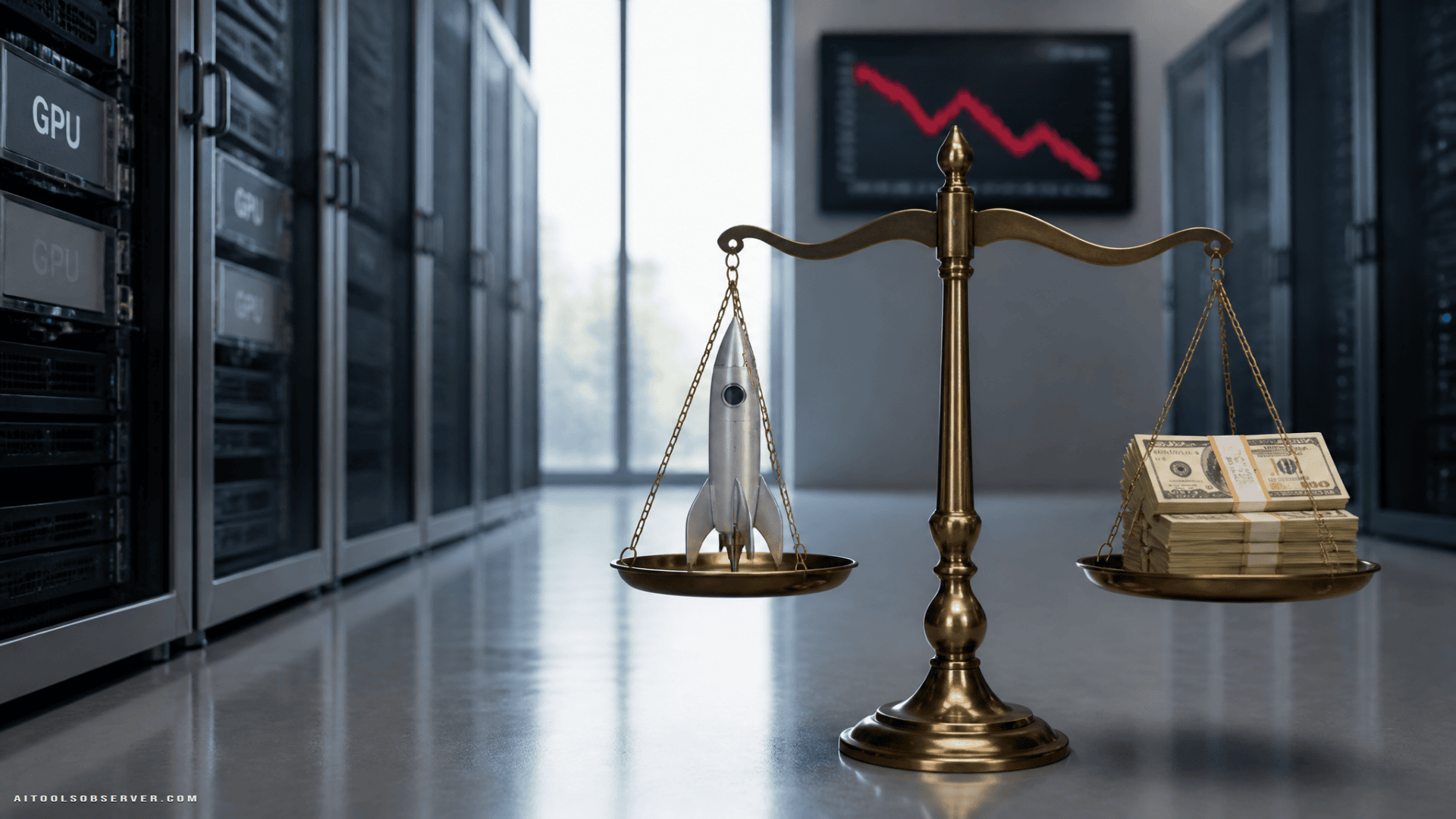
CFO Bret Johnsen pushed back on the conventional way of reading capex numbers. His argument: because AI compute capacity converts into contracted revenue so quickly, the traditional concern about heavy upfront spending doesn’t apply here.
“On the AI compute side, we’re able to deploy capital in such a way that we’re getting less than a one-year payback,” Johnsen said on the call.
To support that claim, he pointed to $6.7 billion in new cloud services revenue contracted in just the first few weeks of the current quarter, set to begin ramping in October. Combined with existing agreements, the company says it is on track to reach $100 billion in annualized recurring revenue by year-end — a figure that assumes the $60 billion Cursor acquisition closes.
For context, SpaceX’s total revenue for all of 2025 came in below $19 billion.
Where the Revenue Is Coming From
SpaceX entered the AI market in February through its merger with XAI, and the AI business — now operating as SpaceXAI — has moved quickly to sign large compute deals:
- Anthropic: Up to $1.25 billion per month for three years for compute capacity at the Colossus data center in Memphis, Tennessee.
- Google: Up to $920 million per month, signed days before the IPO.
- Reflection AI: Up to $150 million per month for computing power.
These agreements suggest SpaceXAI built out more capacity at its Memphis facilities than its own AI workloads currently require — and is now monetizing that excess by reselling compute to competitors and partners alike.
The Underlying Problem Investors Are Pricing In
Despite the revenue trajectory, the AI unit is still losing money at scale. In Q2, SpaceXAI generated $2.56 billion in revenue against a $1.26 billion operating loss. That followed a $2.47 billion operating loss in Q1 on just $818 million in revenue. The losses are narrowing relative to revenue, but the unit remains cash-negative.
CEO Elon Musk was direct about the $100B ARR target: “That’s what we would achieve if we basically did nothing.” Whether investors read that as confidence or overreach likely depends on how much weight they give to the contracted revenue pipeline versus the ongoing cash burn.
There are also legal complications. SpaceXAI faces a lawsuit over the use of natural gas-burning turbines at its Memphis facilities, alleging the company bypassed federal permitting requirements for pollution controls. SpaceX has recorded a $354 million accrual for probable litigation losses in its quarterly filing.
The Broader Context
SpaceX is not alone in facing this scrutiny. Alphabet and Amazon are each expected to spend over $200 billion on AI infrastructure this year, with Microsoft and Meta close behind. The entire sector is under pressure to demonstrate that massive data center buildouts will eventually produce proportionate returns.
What makes SpaceX’s position distinct is the strategic tension at its core. Reselling compute capacity to Anthropic and Google generates near-term revenue, but it is a fundamentally different business from building frontier AI models or, as Musk has outlined, eventually constructing data centers in space. The company’s IPO prospectus described a “dual monetization strategy” — but the market appears uncertain about how those two paths connect.
Musk said SpaceX has projects totaling 20 gigawatts of capacity in development, though he acknowledged some will face delays and estimated a realistic figure closer to 15 gigawatts at the power plant level by end of next year.
What to Watch
The $100B ARR claim is specific enough to be verifiable within months. If the contracted revenue from Anthropic, Google, Reflection AI, and the newly announced $6.7 billion in Q3 deals actually ramps as described, the operating loss trajectory should shift materially by Q4.
If it doesn’t — or if the Cursor acquisition stalls — the gap between Musk’s stated confidence and the company’s actual financials will be difficult to explain away. For anyone tracking the AI infrastructure market, SpaceX’s next two earnings reports will be among the most closely watched data points of the year.










Comments (0) No comments yet
Want to join this discussion? Login or Register.
No comments yet. Be the first to share your thoughts!