
What Is Lxi.ai?
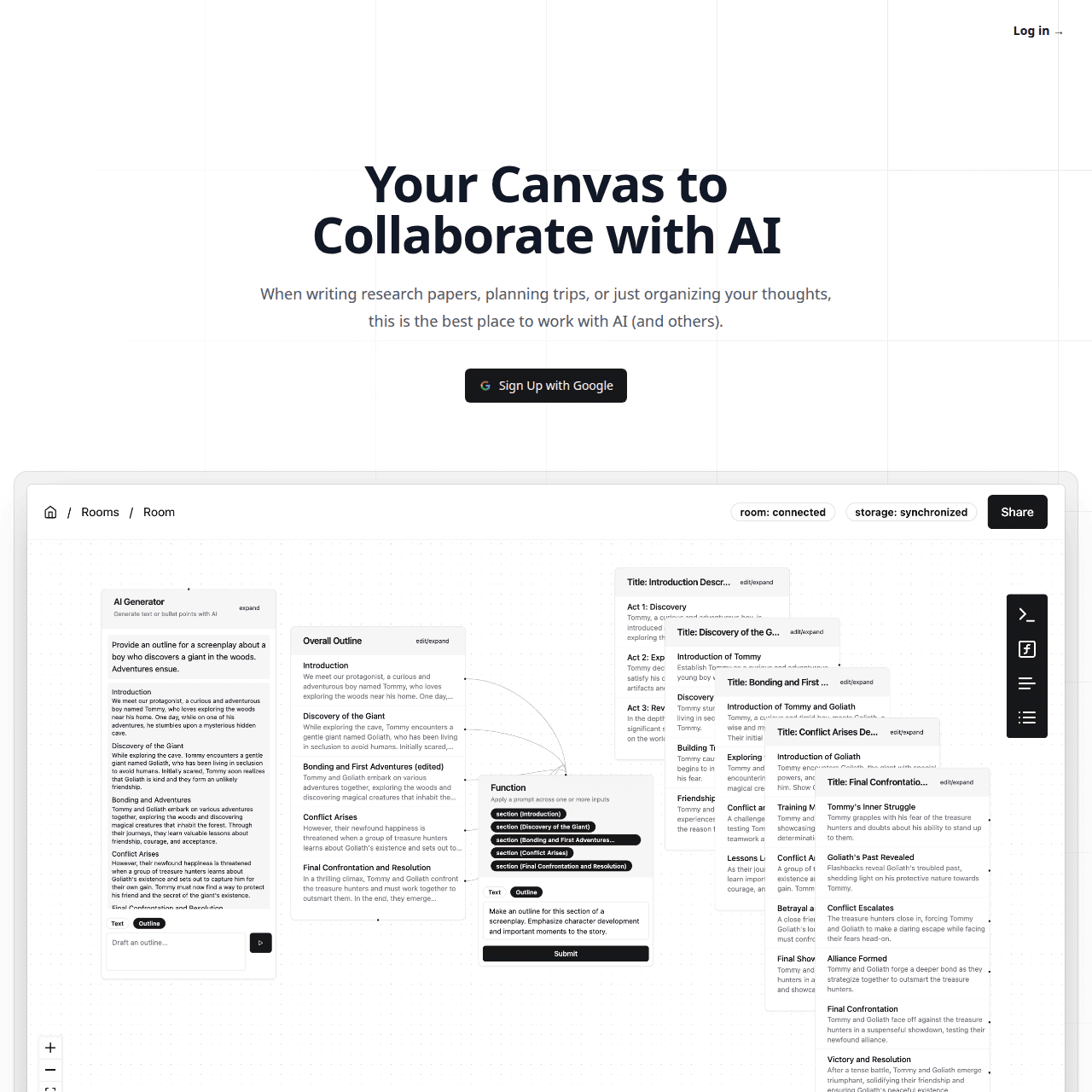
Lxi.ai is a visual, interactive canvas designed to help individuals and teams collaborate with AI on complex projects. Instead of relying on linear chat threads, it lets you structure tasks, notes, and AI-generated content side by side in a shared workspace.
Users can connect multiple inputs to a single prompt, store generations for later use, and iteratively refine specific sections of their work. Real-time collaboration allows teammates to see updates live and maintain full control over context, structure, and outcomes.
This makes Lxi.ai particularly useful for projects like research papers, long-form writing, knowledge organization, and planning multi-step initiatives where context and structure matter.
Quick Snapshot
Lxi.ai replaces rigid AI chat threads with a visual, contextual workspace where people and AI collaborate in real time. It helps individuals and teams organize complex projects, refine outputs, and stay aligned on structure and context.
- Works on
-
- Web
- Pricing Model
- Cannot determine the price.
- Fits on
- Affiliate Program
- We could not identify an affiliate program.
- API Availability
- We could not identify whether an API is available.
- Key Features
-
- Replace linear chats with a visual AI canvas
- Keep context, prompts, and outputs connected
- Collaborate with your team in real time
- Audience
-
- researchers
- students
- knowledge workers
- writers
- product teams
- startups
- URL
- https://lxi.ai
Screenshot

Key Features of Lxi.ai
Interactive AI canvas
Visually arrange tasks, notes, and AI generations in a single workspace instead of relying on linear chat threads.
Contextual prompting
Connect multiple inputs and related content to a single prompt so the AI can generate responses with richer, more accurate context.
Persistent AI outputs
Store and reuse AI-generated content directly on the canvas, allowing you to revisit, refine, and build on previous work.
Real-time collaboration
Work with teammates on the same canvas and see updates live, keeping everyone aligned on structure and progress.
Structured project views
Organize complex projects into sections and workflows that match how you actually work, from research to planning to writing.
Use Cases for Lxi.ai
Research projects
Organize sources, notes, and AI-generated summaries on a single canvas, making it easier to track arguments, evidence, and iterations over time.
Long-form writing
Break down articles, reports, or manuscripts into sections, refine each with AI in context, and keep all drafts and revisions visible in one workspace.
Team knowledge hubs
Centralize project knowledge, prompts, and outputs so teams can collaborate with AI, maintain shared context, and avoid scattered chat threads.
Product and project planning
Map requirements, user stories, and ideas on the canvas, then use AI to expand, clarify, and iterate while keeping structure and priorities clear.
Frequently Asked Questions
What is Lxi.ai used for?
Lxi.ai is used to collaborate with AI on complex projects like research, long-form writing, and structured planning by organizing notes, prompts, and outputs in a visual canvas.
How is Lxi.ai different from a standard AI chatbot?
Unlike standard chatbots that rely on linear threads, Lxi.ai offers a visual canvas where you can structure content, maintain context, and collaborate with teammates in real time.
Can teams collaborate in real time on Lxi.ai?
Yes, Lxi.ai supports real-time collaboration so team members can work together on the same canvas and see each other’s updates as they happen.
Does Lxi.ai offer a free plan?
The available information does not specify a free plan, and pricing details are currently unknown.
Who is Lxi.ai best suited for?
Lxi.ai is best suited for researchers, students, knowledge workers, writers, product teams, and startups managing complex, context-heavy projects with AI.
Does Lxi.ai provide an API?
Based on the available information, Lxi.ai does not offer an API.
Lxi.ai · Our Verdict
Lxi.ai stands out by moving beyond linear chat into a structured, visual workspace that better reflects how complex work actually unfolds. Its emphasis on persistent context, reusable AI outputs, and real-time collaboration makes it a strong fit for research-heavy and multi-stakeholder projects where traditional chatbots quickly become unmanageable.
Lxi.ai ·
-
 Subscription
 Papers
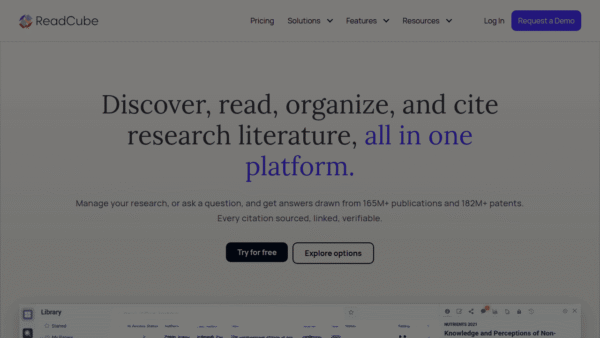
Discover, organize, and cite in one place
Academic & Research Writing - Freemium
Reddit Scout
Turn Reddit comments into instant product insights
AI Search Engines - One-Time Premium
FlashAI
ChatGPT assistance on every website, instantly
Productivity & Automation AI - Freemium
Theneo
AI-native API docs for humans and agents
AI Developer Tools - Freemium
SiteAssist
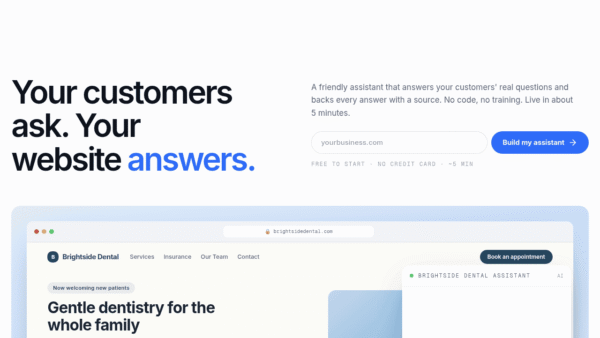
Your website, answering every customer question for you.
Customer Service Bots - Your Ad Here
- Subscription
PaceAI
AI copilot for fast, accurate software documentation
Productivity & Automation AI -
Codiga
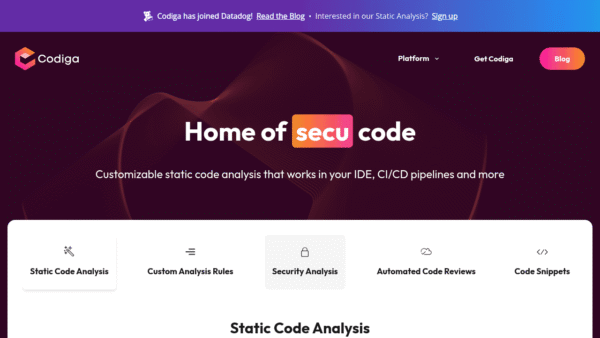
Customizable static code analysis that follows you everywhere.
AI Developer Tools