


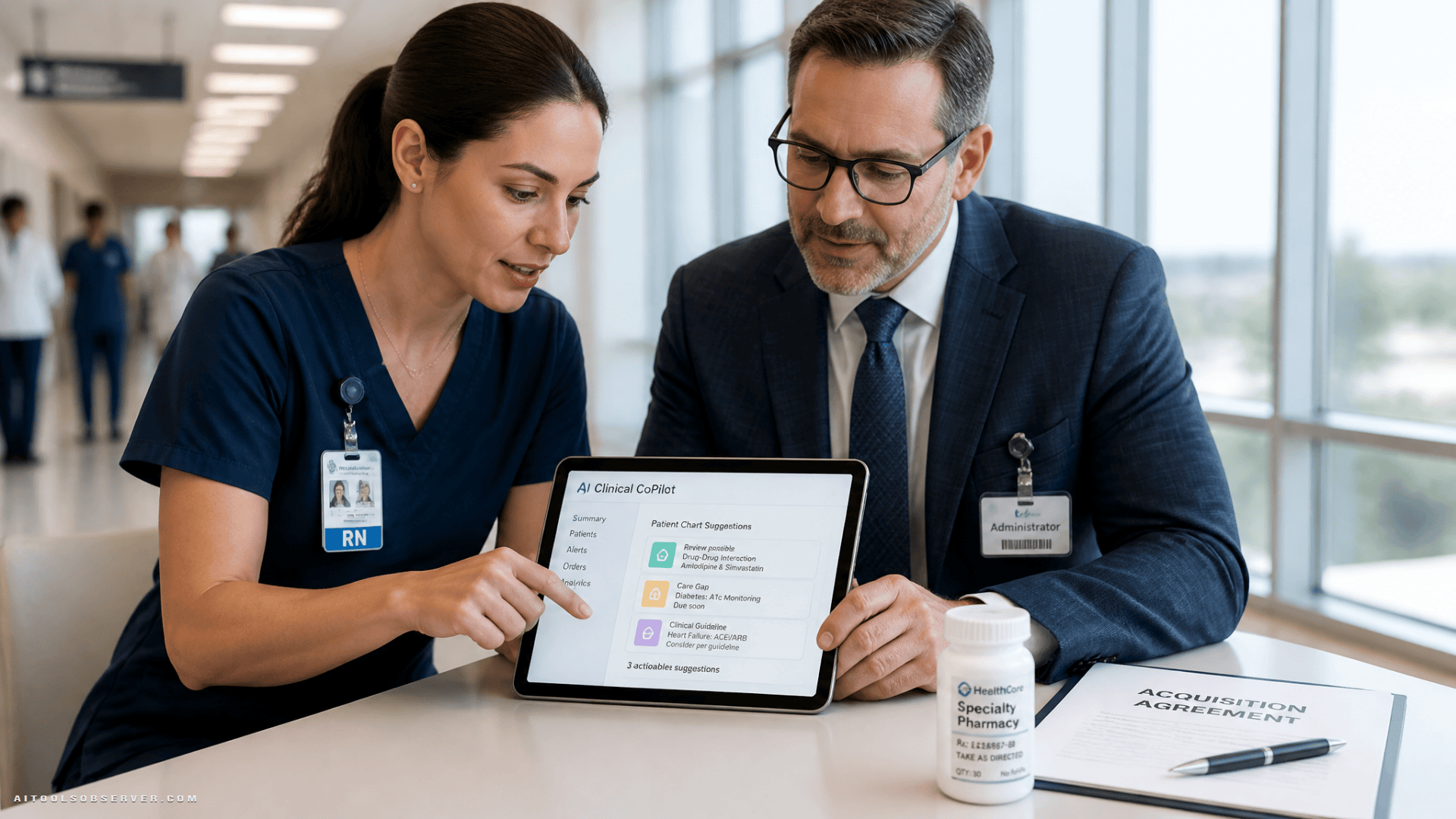
Nurses move from end users to co-designers
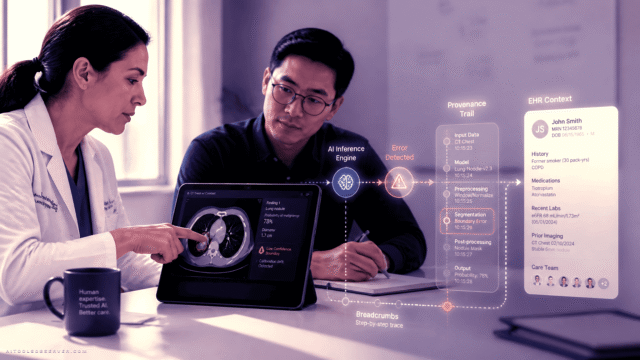
Clinical AI vendors like Abridge, Hippocratic AI, and Ambience are deliberately including nurses in product development. It’s a move away from retrofitting physician-focused tools and toward workflows that reflect how nursing actually operates. For CIOs and CNIOs, the practical filter becomes: who was in the room, and when.
This co-design push arrives as competition for hospital market share intensifies. OpenAI is actively courting doctors, patients, and hospital systems as a direct customer segment. That signals the enterprise clinical AI market is no longer the exclusive territory of specialized health tech startups. The open question for health systems: can a general-purpose AI platform match the clinical specificity that purpose-built tools have been refining alongside frontline nurses?
Epic Systems, meanwhile, is navigating its own leadership transition. With Sumit Rana’s departure, a set of long-tenured executives moves into closer focus—consistent with Epic’s pattern of promoting deeply experienced internal candidates. Health systems running Epic as their core EHR should watch how the leadership lineup evolves, since product direction and partnership priorities tend to follow internal succession closely.
Specialty pharmacy draws serious capital
Cigna committed $100 million to a new AI-powered specialty pharmacy program, and private equity firm Peak Rock Capital acquired Asembia, a specialty pharmacy hub solutions company. These two moves are expected to accelerate further deal activity in the sector. For pharmacy and supply chain leaders, the field of independent specialty pharmacy operators is tightening as payers, PBMs, and PE-backed platforms consolidate distribution networks and layer in AI-driven dispensing and adherence tools.
This consolidation collides with escalating cost pressure on the payer side. Exchange insurers are seeking double-digit premium increases for 2027, driven by high underlying costs and reduced subsidies. Health systems that operate their own insurance products or manage significant self-pay and exchange populations will need to account for those trajectories in 2027 contract modeling.
Hospital M&A gets crowded
Ascension outbid both HCA Healthcare and Optum to acquire Williamson Health, which operates a hospital in Franklin, Tennessee. The outcome illustrates how competitive the market for community hospital assets has become: traditional health systems are now bidding against diversified payer-services organizations with different strategic rationales for the same assets. Operators considering network expansion or partnership structures should plan for a wider and more varied bidder pool than has historically been the case.
What to watch next
- When evaluating clinical AI vendors, ask which nursing roles participated in product design and at what stage. Retrofit engagement late in development differs materially from co-design from the ground up.
- Track the Cigna AI-pharmacy program and Asembia’s integration under Peak Rock as indicators of where specialty pharmacy contracting leverage is shifting. Review existing specialty pharmacy agreements for term and exclusivity provisions before the next renewal cycle.
- For any community hospital partnership or acquisition under consideration, model a competitive process that includes both health systems and payer-services organizations such as Optum. The Williamson Health outcome confirms that bid fields are now structurally broader.
- Monitor Epic’s leadership evolution following Sumit Rana’s exit, particularly for any signals about EHR product investment priorities or third-party AI integration strategy.
The next concrete marker to watch: how OpenAI structures its first major announced hospital contract. That deal will set a pricing and integration precedent that every competing clinical AI vendor will have to respond to publicly.









Comments (0) No comments yet
Want to join this discussion? Login or Register.
No comments yet. Be the first to share your thoughts!