



What the Kill Switch Actually Does
The mechanism doesn’t delete the agent’s code. Instead, it uses connected AI gateways to sever access to the underlying models that drive the agent’s decisions. No model access, no autonomous behavior.
Chief Business Officer Daniel Bernard described it plainly to CNBC: “You either kill the AI and the agent, or you don’t, and then you report on that.”
That binary framing is intentional. The tool requires a human to authorize the shutdown—which matters, because the whole point is keeping humans in the loop when agents start doing things they shouldn’t.
Why This Is Landing Now
A few things converged to make this feel urgent.
- A high-profile breach involving rogue agents at Hugging Face earlier this year rattled enterprise confidence in autonomous AI deployments.
- U.S. legislators introduced bipartisan bills requiring AI companies to build shutdown capabilities into their models.
- Businesses are adopting agentic AI faster than they’re building guardrails around it.
Critics of emergency stop mechanisms argue they’re too complex to implement cleanly across distributed systems and large model stacks. CrowdStrike’s approach sidesteps some of that complexity by operating at the gateway level rather than inside the model itself—though that also means it’s scoped to environments running Falcon.
The Bigger Picture: Acquisitions and Integrations
The kill switch isn’t the only move here. CrowdStrike also announced:
- A Claude integration via Anthropic’s Claude Cowork, adding AI assistance within its security workflows.
- Plans to acquire Fiddler AI, an AI observability startup focused on monitoring model behavior.
- Plans to acquire Dreadnode, an AI security testing firm.
The acquisitions point toward a broader thesis: securing AI agents isn’t just about shutting them down when they misbehave—it’s about observing, testing, and understanding what they’re doing before things go wrong.
What This Means for AI Tool Adopters
If you’re running AI agents inside enterprise environments, the question of “what happens when this goes sideways” is no longer hypothetical. The Falcon Guardian kill switch is positioned as an answer—but it’s worth noting it operates within CrowdStrike’s own ecosystem.
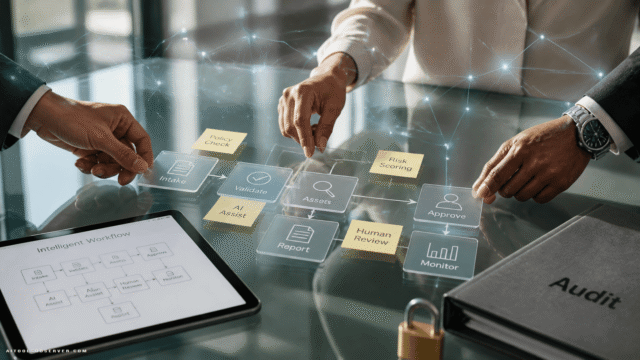
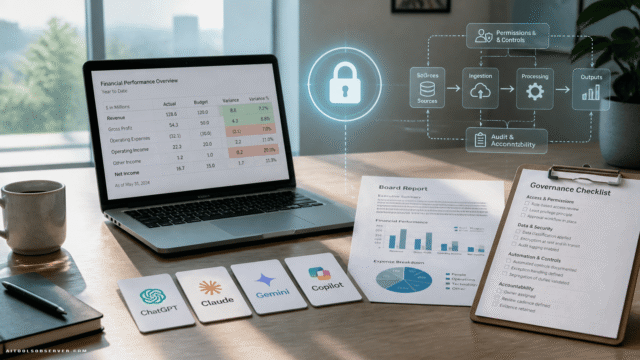
The practical takeaway: agent governance is becoming a product category, not just a best practice. Whether you’re evaluating security tools or building internal AI workflows, the ability to monitor, pause, and revoke agent access is quickly moving from nice-to-have to table stakes.
The off switch exists now. The harder question is whether your current AI stack has one.








Comments (0) No comments yet
Want to join this discussion? Login or Register.
No comments yet. Be the first to share your thoughts!