



What Muse Code actually is
Muse Code is Meta’s first AI coding agent, currently available in preview. It’s designed to handle complete software engineering tasks — not just autocomplete, but planning changes, writing code, and validating results, all within a single interface.
It runs on Meta’s latest model, Muse Spark 1.2, which was developed and trained alongside Muse Code. According to Meta’s AI chief Alexandr Wang, that co-development approach improves overall coding performance rather than bolting an agent onto a general-purpose model after the fact.
The agent also includes what Wang calls a “harness” — a layer that lets developers manage AI models tailored specifically for coding projects. Think of it as the orchestration layer that keeps multi-step engineering tasks on track.
Pricing: the contributor tier is the real story
Muse Code offers two main access paths:
- Pay-as-you-go — standard usage-based pricing through Meta’s developer platform
- Contributor tier — described as “more than 10 times cheaper” than pay-as-you-go, with a catch: developers must opt in to let Meta use their data to improve the underlying model
That contributor tier is a significant move. For solo developers, indie hackers, or teams running high-volume, lower-sensitivity workloads, the cost difference is hard to ignore. The tradeoff is data usage — your code interactions help train the model.
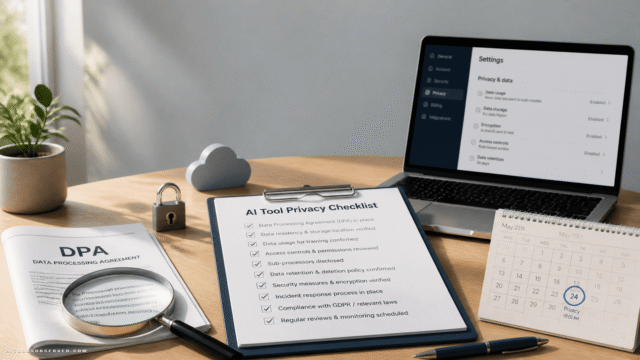
For teams where that’s a non-starter, the pay-as-you-go tier keeps data out of the training loop by default.
Zero-data retention: the enterprise angle
Wang confirmed Meta is beginning to accept requests for zero-data retention — meaning the company won’t retain developer data to improve its models at all.
This matters more than it might seem. Meta generates 98% of its revenue from advertising, built on a foundation of user data. The fact that it’s offering zero-data retention for enterprise customers is a direct signal that it understands the trust gap it needs to close with business buyers.
For engineering teams at regulated companies, financial institutions, or any organization with strict data governance requirements, this feature could be the deciding factor.
Where you can access it
Muse Code is available through Meta’s developer platform alongside the Muse Spark API. The Muse Spark 1.2 model will also be available on OpenRouter, the platform that hosts models from DeepSeek, Z.ai, and other open-weight AI labs.
That OpenRouter availability is worth noting. It positions Muse Spark alongside the open-weight models that cost-conscious developers already gravitate toward — reinforcing Meta’s price-first positioning.
How it stacks up against Anthropic and OpenAI
Wang was direct about the competitive angle: Meta is differentiating on price, not claiming capability superiority.
That’s a pragmatic framing. Anthropic’s Claude and OpenAI’s Codex have strong reputations among developers, deep integrations, and established trust. Competing head-to-head on benchmarks alone would be a tough fight.
Competing on cost — especially with a contributor tier that’s dramatically cheaper — targets a different segment: developers who want capable AI coding assistance without enterprise-level spend.
The zero-data retention option, meanwhile, targets the opposite end of the market: larger organizations that have avoided AI coding tools precisely because of data concerns.
Who Muse Code is actually for
Based on the available context, Muse Code appears best suited for three groups:
- Individual developers and small teams who want a capable coding agent at low cost and are comfortable with the contributor tier’s data tradeoff
- Developer teams already in the Meta ecosystem using Muse Spark models via the API
- Enterprise engineering teams with data governance requirements who need zero-data retention and are evaluating alternatives to Anthropic or OpenAI
It’s less clearly positioned for teams that have already built deep workflows around GitHub Copilot, Cursor, or Claude — switching costs are real, and pricing alone rarely justifies a full migration.
The bottom line
Muse Code is a serious entry into a crowded market, not a token gesture. The contributor tier pricing, zero-data retention option, and tight integration with Muse Spark 1.2 give it genuine angles to compete on.
The preview status means it’s still early. But if you’re evaluating AI coding agents — especially with an eye on cost or enterprise data controls — Muse Code is now worth putting on your shortlist alongside the incumbents.












Comments (0) No comments yet
Want to join this discussion? Login or Register.
No comments yet. Be the first to share your thoughts!