


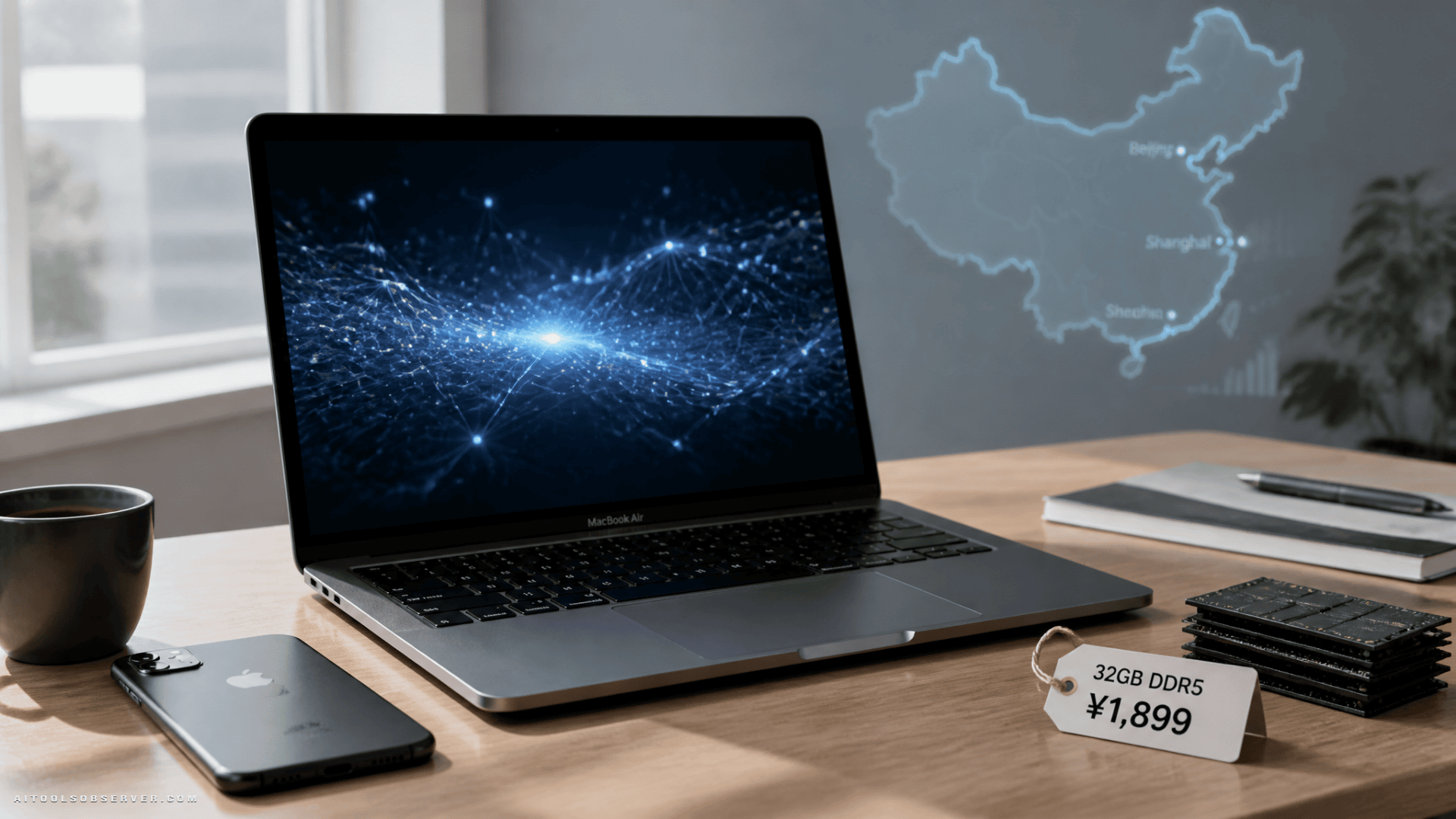
A Pragmatic Stance on Open-Source AI
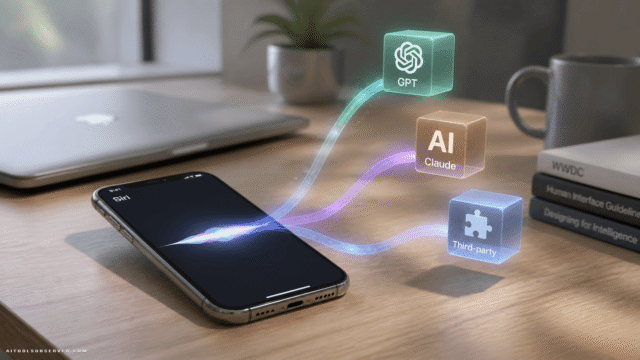
Cook’s position on open-source AI was notably undogmatic. He described open-source models as “useful” and expressed no ideological objection to them. That framing matters, because Apple is simultaneously preparing to launch an AI-powered Siri this fall built on Google’s Gemini — a proprietary model from a direct competitor.
The combination tells a clear story: Apple is not building an AI moat around a single model or philosophy. It is selecting tools based on performance and availability, not principle. For a company historically defined by tight vertical integration, this represents a meaningful shift in how it approaches the AI layer of its stack.
The broader industry context reinforces why this flexibility is necessary. Chinese AI company Moonshot’s Kimi K3 has drawn attention for performance that reportedly rivals leading models from Anthropic and OpenAI. The competitive landscape is moving fast enough that any rigid commitment to one model source would be a strategic liability.
China: Approval Granted, Gap Still Visible
Apple Intelligence has finally received regulatory approval in China — nearly two years after its U.S. launch. The delay has been costly. Domestic Chinese smartphone manufacturers moved quickly to integrate generative AI features, and Apple spent much of that window competing without its primary AI differentiator in one of its largest markets.
The approval arrives at a useful moment. China revenue rose 22% in the spring quarter to $18.81 billion — a strong number that still fell short of analyst estimates above $19.5 billion. The gap suggests that even with the AI approval now in place, Apple faces structural competition from local brands that have had a significant head start on AI-native features.
Cook’s comments on U.S.-China relations were optimistic, referencing the April state dinner and describing the bilateral relationship as “really good.” Whether that diplomatic warmth translates into smoother regulatory conditions for Apple Intelligence’s rollout in China remains to be seen.
Memory Chip Inflation: A Structural Cost Problem
The most operationally significant pressure Apple is navigating right now is memory chip costs. Cook described a clear escalation pattern: costs were higher in March than December, then “significantly higher” in June than March. Over the past two years, memory chip prices have reportedly risen by as much as 600%.
Apple has responded by raising prices on select Mac computers and iPads by up to $300. That is a meaningful pass-through to consumers in a market where price sensitivity is real.
Two Competing Signals in the Mac Business
The memory cost story is complicated by two simultaneous data points that pull in opposite directions:
- MacBook Neo (starting at $699) was Apple’s bestselling computer in the U.S. during its first full quarter — suggesting strong demand at the accessible end of the price range.
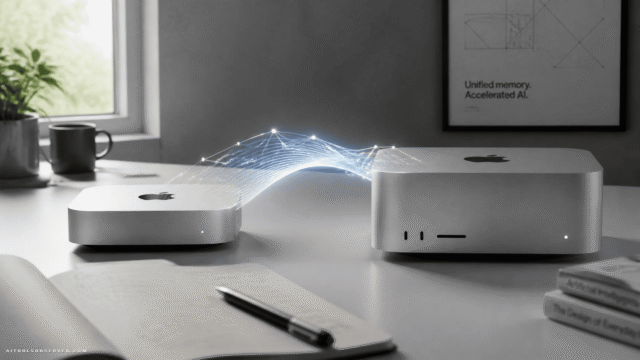
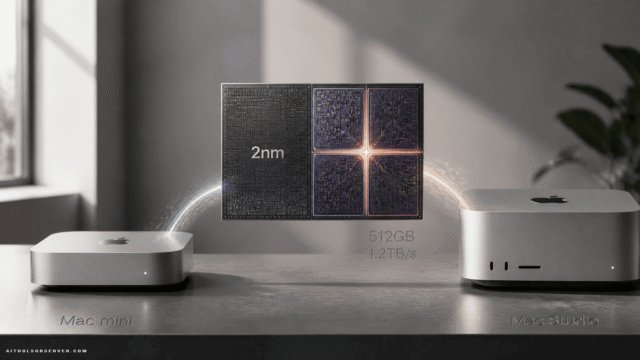
- Mac Studio demand has surged to the point of supply shortages, pushing Mac revenue above $10 billion for a new spring-quarter record.
The pattern is consistent with what AI adoption tends to produce in hardware markets: bifurcation. Entry-level buyers want affordable access; power users — developers, researchers, creative professionals running local AI workloads — are willing to pay significantly more for compute-dense machines and are currently constrained by supply rather than price.
Tariff Refunds as Manufacturing Narrative
Apple received tariff refunds that added roughly 5% to profit during the quarter. Cook framed the reinvestment explicitly: “We’re taking our tariff refunds and reinvesting those in the United States’ advanced manufacturing.”
This sits alongside Apple’s previously announced commitment to spend $600 billion over four years on the U.S. economy. The framing converts a one-time earnings benefit into a longer-term manufacturing story — useful both for regulatory relationships and for positioning Apple’s supply chain diversification as intentional rather than reactive.
What Changes Under John Ternus
Cook steps down as CEO on September 1 after 15 years, remaining as chairman. Hardware engineering chief John Ternus takes over. The transition hands Ternus a company that has just crossed $5 trillion in market value — briefly reclaiming the title of the world’s most valuable company from Nvidia — but also one navigating simultaneous pressures: AI model integration, China market competition, semiconductor cost inflation, and the challenge of sustaining growth at this scale.
Cook’s legacy is a company operating at a magnitude that was difficult to imagine in 2011. The AI era he is handing off is structurally different from the mobile era he inherited. Ternus will need to execute on AI features that are already late to market in China, manage hardware margin pressure from memory costs, and decide how far Apple’s historically closed ecosystem should open to outside AI infrastructure.
The Practical Takeaway
For anyone tracking the AI tools ecosystem, Apple’s current posture is worth noting precisely because it is not ideological. The company is using Gemini for Siri, expressing openness to open-source models, and absorbing significant cost increases to keep AI-capable hardware competitive. That combination — pragmatic model selection, hardware investment, and geopolitical navigation — is the actual shape of enterprise AI strategy at scale. It is less about which model wins and more about which company builds the most durable integration layer around whatever models are best at any given moment.








Comments (0) No comments yet
Want to join this discussion? Login or Register.
No comments yet. Be the first to share your thoughts!