



Mac Mini: M6 Arrives, Price Goes Up
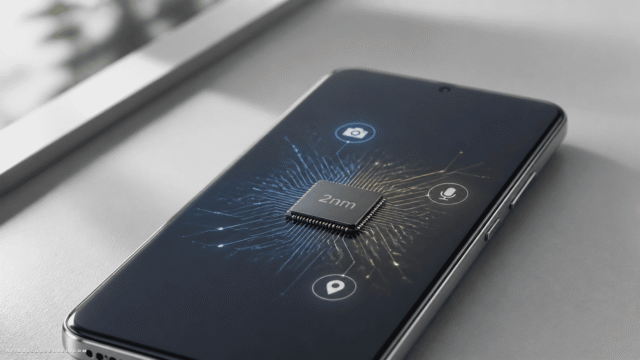
The new Mac Mini is the first Apple computer to ship with an M6-generation chip, manufactured on TSMC’s 2-nanometer process. It can also be configured with the M5 Pro for buyers who want a more established chip with strong performance credentials.
The M5 Pro configuration is where the headline inference number sits: Apple claims it processes large language model prompts 8.5 times faster than older Pro versions of the Mac Mini. That is a meaningful jump for developers running local agents or iterating on fine-tuned models.
The starting price is now $899, up $100 from the previous model. That follows an earlier price increase from $599, which Apple attributed to memory costs. Buyers should factor in that the entry-level configuration may not be the one delivering the LLM performance gains — those are tied to the M5 Pro tier.
Mac Studio: M5 Max and M5 Ultra for Serious Workloads
The Mac Studio remains Apple’s most powerful non-display desktop, particularly after the Mac Pro was discontinued earlier this year. The new lineup uses M5 Max and M5 Ultra chips.
M5 Max
Mac Studio models with the M5 Max start at $2,499 — unchanged from before. Apple says LLMs run nearly four times faster than on the previous Mac Studio generation, which used M3-series chips. That two-generation leap explains much of the performance delta.
M5 Ultra
The M5 Ultra configuration starts at $5,499, a modest increase from the prior $5,299 entry point. The more notable change is that the previous Ultra model used an M3 Ultra chip, so buyers are getting a two-generation upgrade at roughly the same price.
Apple also highlights a multi-machine capability: multiple M5 Ultra Mac Studios can be linked together to pool memory and run trillion-parameter frontier models as a single system. This positions the Mac Studio as a credible option for AI research teams that need large model capacity without cloud dependency.
Why the Architecture Matters for Local AI
Apple’s unified memory architecture is central to the LLM performance story. Traditional systems separate CPU and GPU memory, creating bottlenecks when models need to move large amounts of data quickly. Apple Silicon eliminates that boundary, which is particularly relevant for inference workloads where memory bandwidth is often the limiting factor.
The neural engine — a dedicated on-chip block for model inference — has been part of Apple Silicon since the M1. The M6 and M5-series chips continue that design, and Apple explicitly frames it as infrastructure for running and fine-tuning large AI models locally.
For developers using tools like OpenClaw or similar agent frameworks, the Mac Mini has become a popular dedicated machine precisely because it avoids cloud latency and cost. The Mac Studio serves a different tier: researchers experimenting with larger models who need more memory capacity and sustained throughput for local AI.
Practical Implications for AI Tool Users
A few things worth noting before making a purchase decision:
- The M6 chip is new. Being first-generation means software optimization will improve over time, but also that there is less community data on real-world performance outside Apple’s own benchmarks.
- Memory configuration matters more than chip tier alone. For LLM workloads, unified memory capacity directly limits which model sizes you can run. Check the maximum memory option for each chip tier before comparing prices.
- The Mac Pro is gone. The Mac Studio with M5 Ultra is now the ceiling for Apple desktop AI hardware. Teams that previously considered the Mac Pro as a future upgrade path should factor this into longer-term planning.
- Presale opens Tuesday, shipping September 22. There is time to evaluate configurations before committing.
The price increases are real, and the M6 chip is unproven in production AI workflows. But the performance claims — particularly the 8.5x LLM prompt processing gain on the M5 Pro Mac Mini — suggest that for developers running local models, this generation represents a substantive step forward rather than an incremental one.












Comments (0) No comments yet
Want to join this discussion? Login or Register.
No comments yet. Be the first to share your thoughts!